Apa Itu Transport Layer? | Konsep Jaringan Komputer
Summary
TLDRThe presentation by Group 2 provides an in-depth exploration of the transport layer in computer networks. It begins with an introduction to the OSI model and the position of the transport layer, explaining its role in delivering data to the correct application process. Key functions covered include data reception from the session layer, segmentation, forwarding to the network layer, ensuring reliability, and managing network traffic. The session also details five critical roles: service point addressing, segmentation and reassembly, connection control, flow control, and error control. Finally, the presentation explains the two main transport protocols, TCP and UDP, highlighting their characteristics, reliability, and connection types.
Takeaways
- 😀 The transport layer is the fourth layer in the OSI model, responsible for delivering data to the correct application process on a host.
- 😀 It performs multiplexing, which involves combining data from multiple applications into a single network connection using ports.
- 😀 The transport layer breaks down large data into smaller packets to facilitate efficient transmission and reassembly at the receiving end.
- 😀 It ensures reliability by managing data delivery, detecting errors, and retransmitting lost or corrupted data when necessary.
- 😀 Flow control is handled by the transport layer to prevent network congestion and maintain smooth data transmission.
- 😀 Key roles of the transport layer include service point addressing, segmentation and reassembly, connection control, flow control, and error control.
- 😀 Transport layer supports different types of connections: connection-oriented (reliable) and connectionless (faster, less reliable).
- 😀 TCP (Transmission Control Protocol) is connection-oriented, reliable, supports full-duplex communication, and ensures ordered delivery of data segments.
- 😀 UDP (User Datagram Protocol) is connectionless, faster, but does not guarantee delivery, ordering, or error correction, requiring the application layer to handle reliability.
- 😀 Proper use of the transport layer ensures that data reaches its intended destination accurately, efficiently, and in a manner suited to the type of network communication.
Q & A
What is the transport layer in the OSI model?
-The transport layer is the fourth layer in the OSI model responsible for delivering data to the appropriate application process on a host computer. It combines multiple transport connections into a single network connection and ensures data is transmitted reliably.
What are the main functions of the transport layer?
-The main functions include receiving data from the session layer, segmenting large data into smaller packets, forwarding data to the network layer, ensuring data reliability, and controlling the flow of data to prevent network congestion.
What is multiplexing in the context of the transport layer?
-Multiplexing is the process of combining data from multiple application processes into a single transport connection. It allows the transport layer to efficiently manage data from different sources and direct it to the correct destination process using port numbers.
What is segmentation and reassembly?
-Segmentation is the process of dividing large data into smaller packets for easier transmission, while reassembly is the process of combining these packets back into the original data at the receiving end.
What is the difference between connection-oriented and connectionless communication?
-Connection-oriented communication, such as TCP, establishes a session between sender and receiver and guarantees reliable data delivery. Connectionless communication, like UDP, sends data without establishing a session, does not guarantee delivery, and is faster but less reliable.
What are the five key roles of the transport layer?
-The five key roles are: 1) Service Point Addressing, 2) Segmentation and Reassembly, 3) Connection Control, 4) Flow Control, and 5) Error Control.
What are the main characteristics of TCP?
-TCP is connection-oriented, reliable, full-duplex, uses sequence numbers and acknowledgements (ACKs), supports flow control, and ensures data is delivered in order and without errors.
What are the main characteristics of UDP?
-UDP is connectionless, unreliable, sends data as datagrams without acknowledgements or sequence numbers, and does not provide error recovery or segmentation. It is faster and suitable for real-time applications.
How does flow control work in the transport layer?
-Flow control manages the rate of data transmission between sender and receiver to prevent network congestion and ensure that the receiving side can process incoming data efficiently.
Why is the transport layer considered vital for data communication?
-The transport layer is vital because it ensures that data is delivered accurately, efficiently, and in the correct order to the appropriate application process. It provides reliability, flow control, and error correction, which are essential for robust communication in networks.
What role do port numbers play in the transport layer?
-Port numbers act as addresses for specific application processes on a host. They allow the transport layer to direct incoming data to the correct application and enable multiple applications to communicate simultaneously over the same network connection.
What is the difference between reliable and unreliable delivery?
-Reliable delivery ensures that all data sent is received correctly, in order, and can be retransmitted if lost or corrupted (TCP). Unreliable delivery does not guarantee that data will reach the destination or arrive in order (UDP).
Outlines

This section is available to paid users only. Please upgrade to access this part.
Upgrade NowMindmap

This section is available to paid users only. Please upgrade to access this part.
Upgrade NowKeywords

This section is available to paid users only. Please upgrade to access this part.
Upgrade NowHighlights

This section is available to paid users only. Please upgrade to access this part.
Upgrade NowTranscripts

This section is available to paid users only. Please upgrade to access this part.
Upgrade NowBrowse More Related Video
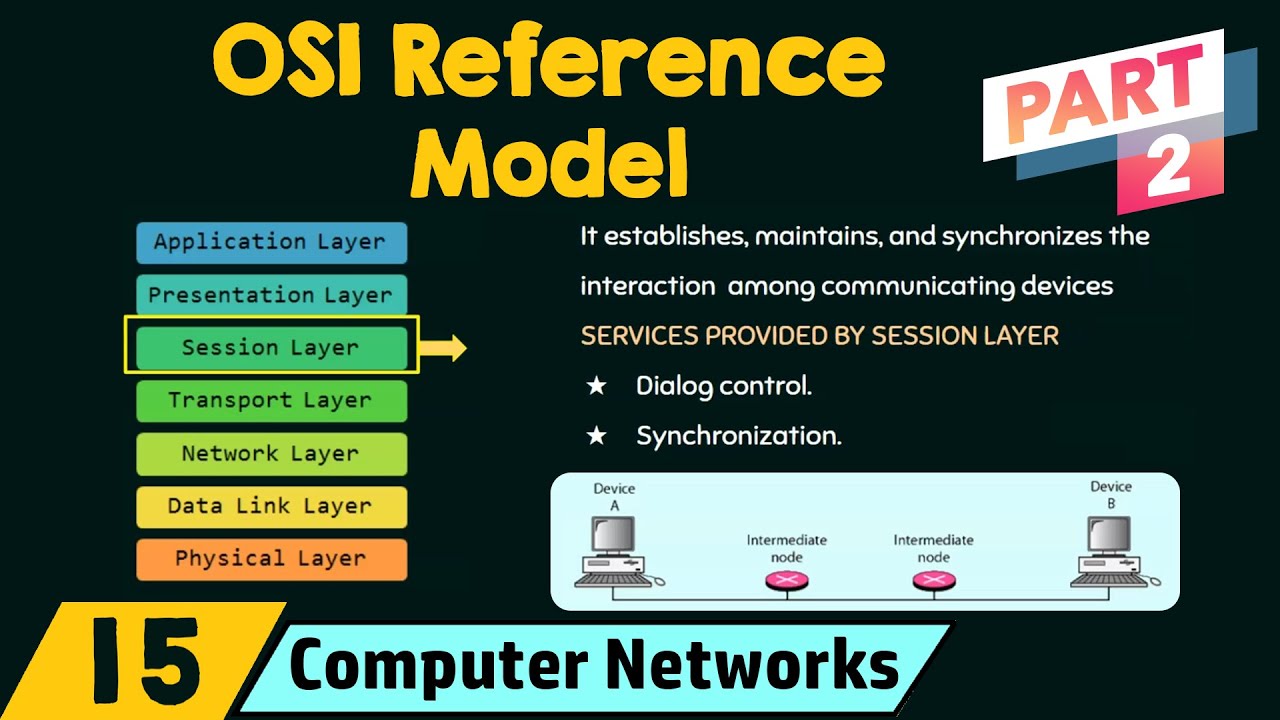
The OSI Reference Model (Part 2)
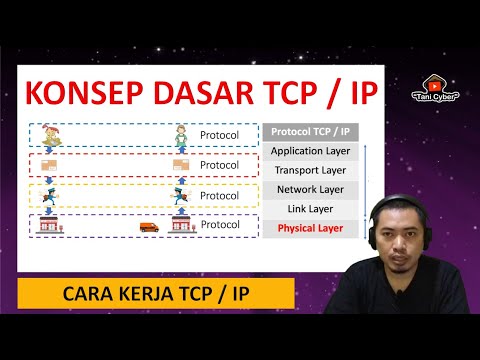
Konsep dan Cara Kerja TCP/IP ( dasar jaringan komputer )

Jaringan Komputer dan Internet - Mekanisme Pertukaran Data - Informatika Kelas XII

Jaringan Komputer - Seri IP Address
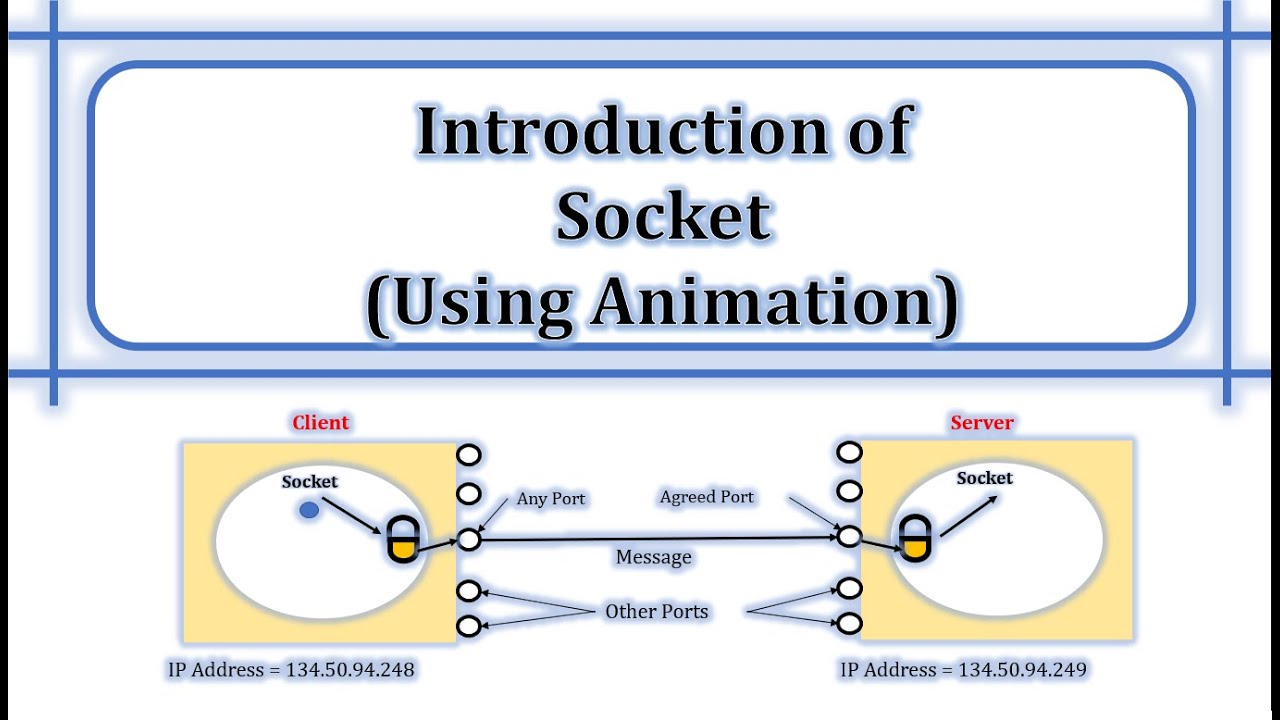
What is socket | How socket works | Types of Sockets | Socket Address | TCP Socket | UDP Socket

What is OSI Model?
5.0 / 5 (0 votes)
