Hidrokarbon & Minyak Bumi • Part 1: Pendahuluan & Penggolongan Senyawa Hidrokarbon
Summary
TLDRIn this educational video, Christian Sutantio introduces high school chemistry concepts, focusing on hydrocarbons and petroleum. The video covers the classification of organic and inorganic compounds, explaining the essential role of carbon atoms in organic molecules. It details the differences between primary, secondary, tertiary, and quaternary carbon atoms and explores various types of hydrocarbons, such as aliphatic, alicyclic, and aromatic. The video also explains the difference between saturated and unsaturated hydrocarbons, providing viewers with a comprehensive understanding of basic chemical structures and bonding principles.
Takeaways
- 😀 Organic compounds are primarily composed of carbon (C) and hydrogen (H) atoms, and sometimes oxygen, halogens, sulfur, and phosphorus.
- 😀 Inorganic compounds, unlike organic compounds, do not originate from living organisms but can be synthesized from them, as demonstrated by Friedrich Wöhler's synthesis of urea.
- 😀 Organic compounds tend to be less stable when heated compared to inorganic compounds, which are generally more heat-resistant.
- 😀 Organic compounds usually have lower melting and boiling points than inorganic compounds.
- 😀 Organic compounds are nonpolar and do not dissolve in water, while inorganic compounds are generally polar and soluble in water.
- 😀 Organic compounds tend to be covalent in nature, whereas inorganic compounds often have ionic bonds.
- 😀 Organic compounds are generally less reactive but are highly flammable, making them useful as fuels, such as gasoline and oils.
- 😀 Carbon atoms are the key to organic compounds, having four valence electrons that allow them to form stable bonds with other atoms, including other carbon atoms.
- 😀 Carbon can form various types of bonds: single, double, and triple covalent bonds, allowing for a wide range of molecular structures in organic chemistry.
- 😀 There are four types of carbon atoms in organic compounds: primary (attached to one other carbon), secondary (attached to two other carbons), tertiary (attached to three other carbons), and quaternary (attached to four other carbons).
- 😀 Hydrocarbons are classified based on their chain structure: aliphatic (straight chains), alicyclic (cyclic chains), and aromatic (cyclic chains with conjugated double bonds).
Q & A
What is the primary difference between organic and inorganic compounds?
-Organic compounds are primarily composed of carbon (C) and hydrogen (H), and they often come from living organisms, though they can also be synthesized. Inorganic compounds, on the other hand, do not originate from living organisms and have different bonding structures, often including ionic bonds.
Why did the definition of organic compounds change in 1828?
-The definition of organic compounds changed when Friedrich Wöhler, a German chemist, synthesized urea (an organic compound) from inorganic substances, proving that organic compounds could be created synthetically, not just derived from living organisms.
What are the key components found in organic compounds?
-The main components of organic compounds are carbon (C) and hydrogen (H). They may also contain oxygen (O), halogens (fluorine, chlorine, bromine, iodine), sulfur (S), and phosphorus (P) in some cases.
How do organic and inorganic compounds differ in terms of stability when heated?
-Organic compounds are generally less stable when heated, whereas inorganic compounds tend to be more stable under heat.
What is the general rule for solubility of organic and inorganic compounds in polar solvents?
-Organic compounds are generally insoluble in polar solvents like water but are soluble in non-polar solvents. In contrast, inorganic compounds are typically soluble in polar solvents, such as water.
How does the reactivity of organic and inorganic compounds differ?
-Organic compounds are typically less reactive unless undergoing combustion, while inorganic compounds tend to be more reactive overall.
Why is carbon such an important element in organic chemistry?
-Carbon is vital in organic chemistry because it has four valence electrons, allowing it to form stable covalent bonds with other carbon atoms and various other elements, enabling a wide variety of molecular structures like chains and rings.
What is the difference between primary, secondary, tertiary, and quaternary carbon atoms?
-Primary (1°) carbon atoms are bonded to one other carbon, secondary (2°) carbons are bonded to two other carbons, tertiary (3°) carbons are bonded to three other carbons, and quaternary (4°) carbons are bonded to four other carbons.
What are the three main types of hydrocarbon chains, and how do they differ?
-Hydrocarbons can be classified into three types based on their chain structure: aliphatic (straight or branched chains), cyclic (ring-shaped structures), and aromatic (ring-shaped structures with alternating single and double bonds).
How are saturated and unsaturated hydrocarbons different in terms of bonding?
-Saturated hydrocarbons contain only single bonds between carbon atoms (alkanes), while unsaturated hydrocarbons contain one or more double or triple bonds between carbon atoms (alkenes and alkynes).
Outlines

This section is available to paid users only. Please upgrade to access this part.
Upgrade NowMindmap

This section is available to paid users only. Please upgrade to access this part.
Upgrade NowKeywords

This section is available to paid users only. Please upgrade to access this part.
Upgrade NowHighlights

This section is available to paid users only. Please upgrade to access this part.
Upgrade NowTranscripts

This section is available to paid users only. Please upgrade to access this part.
Upgrade NowBrowse More Related Video
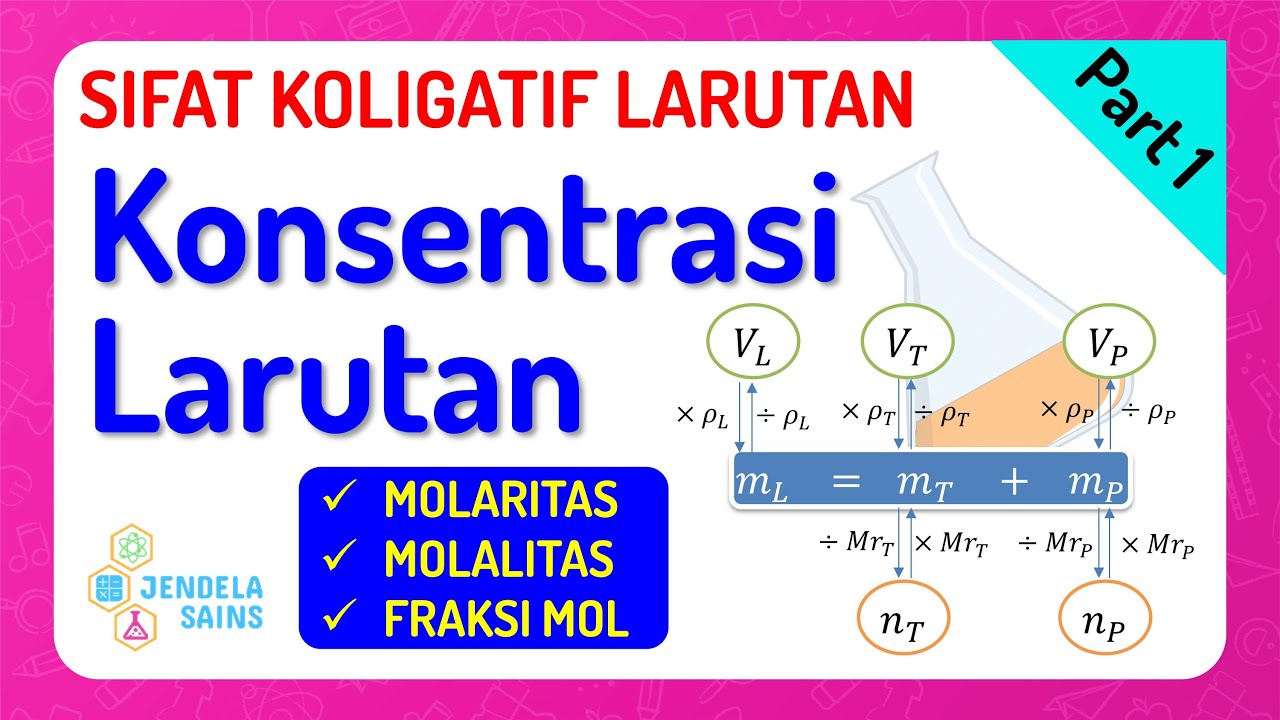
Sifat Koligatif Larutan • Part 1: Konsentrasi (Molaritas, Molalitas, Fraksi Mol)

Struktur Atom • Part 7: Konfigurasi Elektron Ion, Elektron Valensi, Elektron Terakhir

Termokimia • Part 1: Sistem dan Lingkungan, Reaksi Eksoterm dan Endoterm

Gerak Lurus • Part 1: Gerak Lurus Beraturan (GLB) dan Gerak Lurus Berubah Beraturan (GLBB)
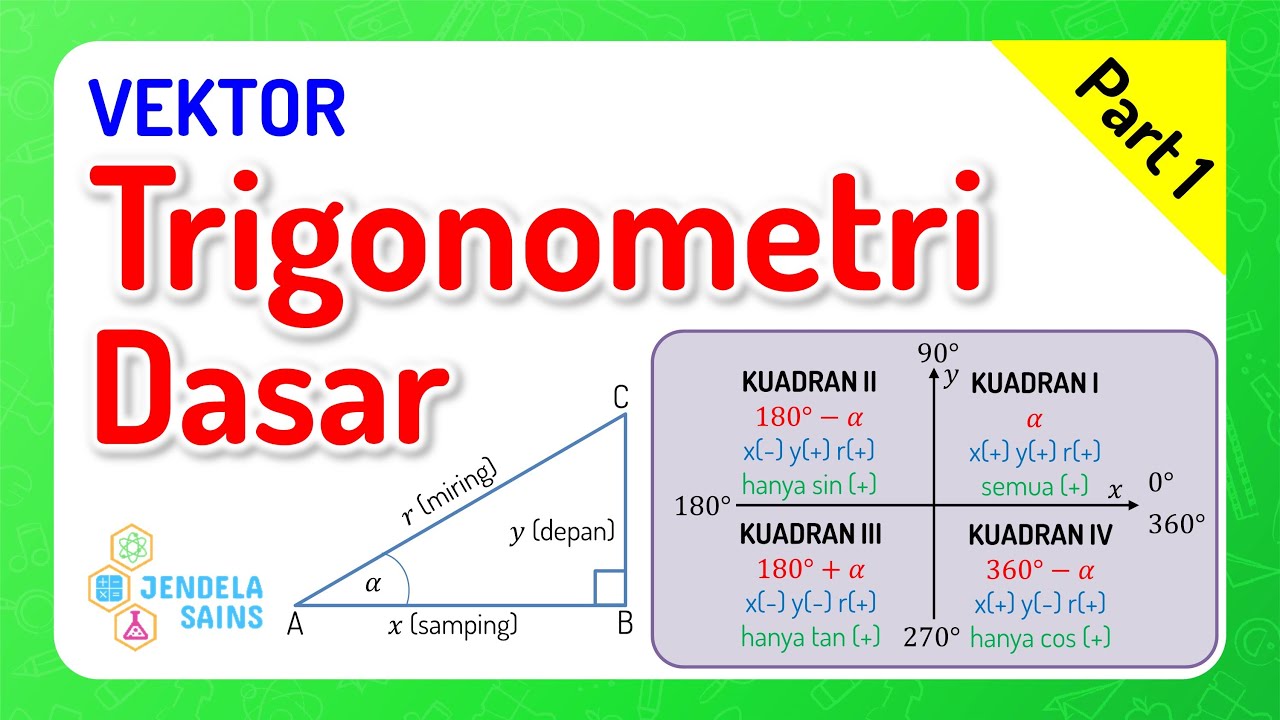
Vektor Fisika • Part 1: Pengantar Trigonometri Dasar

Termokimia • Part 2: Persamaan Termokimia dan Entalpi Molar
5.0 / 5 (0 votes)
