Market Lens - Expansion Model: Section 1, Ep 3 - Common Mistake (AM)
Summary
TLDRThis lesson addresses a common misconception with the economic calendar, specifically regarding its impact on market movements. While a week filled with high-impact news events might seem like it guarantees large price moves, the key takeaway is that the economic calendar is just one factor in anticipating volatility. The lesson emphasizes the importance of not assuming a busy calendar week will automatically lead to expansions, nor that a quieter week will always consolidate. Risk management and understanding the broader context are essential for successful trading, beyond just tracking news events.
Takeaways
- 😀 Avoid the assumption that a week with a heavy economic calendar will always lead to large price moves or expansions.
- 😀 Just because the economic calendar shows high-impact events every day doesn't mean a trader should rush to trade during that week.
- 😀 Other factors, beyond the economic calendar, play a more significant role in predicting price expansions and market movements.
- 😀 Risk management and understanding market volatility are key in responding to news events, not just reacting to the economic calendar.
- 😀 Even weeks with a light economic calendar (e.g., only one low-impact event) can still result in market expansions.
- 😀 Don't assume a week with fewer events will only consolidate or range – price movements can still happen.
- 😀 Protocols and frameworks around economic calendars should help manage risk, not predict specific market outcomes.
- 😀 A low-impact event on a day like Thursday at 8:30 AM can still bring volatility, even in a week with minimal news.
- 😀 It's important to follow the protocol and be aware of volatility, rather than making assumptions based on the economic calendar.
- 😀 Focus on the bigger picture and understand the market narrative when planning trades, rather than over-emphasizing news events.
Q & A
What is the main mistake some people make when using the economic calendar?
-A common mistake is assuming that a week with many high-impact news events will automatically lead to large price movements or expansions, leading them to eagerly place trades based solely on the calendar.
What does the economic calendar shown in the script represent?
-The economic calendar represents a real calendar from a specific week, with multiple events and filters applied, showing a week with high-impact news events every day, including multiple red-folder events.
How does the economic calendar influence the anticipation of price movements?
-While the economic calendar does show when volatility might enter the market, it doesn’t guarantee that large price moves will occur. It's essential to consider other factors beyond the calendar to predict expansions.
Why should traders be cautious in a week with many high-impact news events?
-Traders should avoid assuming that the presence of high-impact news will lead to expansions or large price movements. The calendar should be considered within a broader framework of market conditions and other influencing factors.
What is the role of the economic calendar in risk management?
-The economic calendar helps in identifying potential times of volatility but it’s just one element of the broader risk management strategy, which includes adhering to protocols that pair calendar events with other significant market factors.
What is meant by 'framework and narrative' in the context of this lesson?
-Framework and narrative refer to the broader context and understanding of the market, beyond just the calendar, that traders use to make informed decisions and avoid the trap of assuming news events will automatically lead to price expansions.
What is the key takeaway about weeks with minimal news events?
-Even in a week with minimal news, like one with only a low-impact event, it does not mean the week will only experience consolidation. There can still be potential for price expansions, but traders must follow their protocol and not make assumptions based on the calendar alone.
What protocol should traders follow when the economic calendar has fewer events?
-When there are fewer events, traders should focus on the specific time (e.g., 8:30 AM on Thursday) that is likely to bring volatility, without overestimating the potential for price movement or assuming the week is set to only consolidate.
How does the economic calendar relate to a trader's overall strategy?
-The economic calendar is a tool for anticipating volatility, but it’s part of a larger strategy that includes managing risk, using a defined protocol, and being mindful of other market factors that could influence price movement.
Why is it important not to make assumptions based on the economic calendar alone?
-Making assumptions based solely on the calendar can lead to poor trading decisions. Traders should integrate the calendar into a broader framework that takes into account other influencing factors, such as market conditions and the larger narrative of the week.
Outlines

This section is available to paid users only. Please upgrade to access this part.
Upgrade NowMindmap

This section is available to paid users only. Please upgrade to access this part.
Upgrade NowKeywords

This section is available to paid users only. Please upgrade to access this part.
Upgrade NowHighlights

This section is available to paid users only. Please upgrade to access this part.
Upgrade NowTranscripts

This section is available to paid users only. Please upgrade to access this part.
Upgrade NowBrowse More Related Video
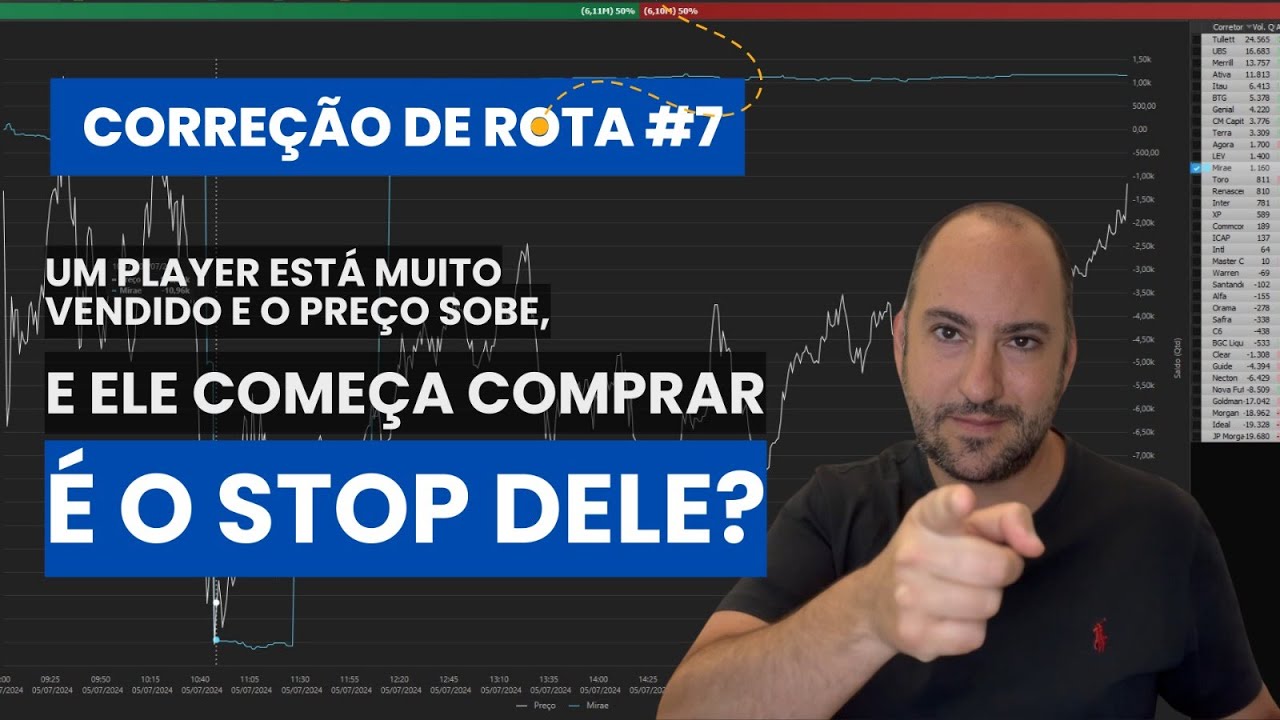
Um player está muito vendido e o preço sobe, e ele começa comprar - É o stop dele?

Can you trust The Greeks with Calendar Option Trades?

ये शेयर नहीं,सोने की खान है? Market leader stock at cheap valuation & PE Ratio? Stock to buy now ?

The Importance of Specialization in Coding

KRYPTO: In 24 STUNDEN haben wir ENDLICH GEWISSHEIT! [+ XRP, SOL, SONIC, BTC NEWS]

Bitcoin, 11 Altcoin, ABD ve Çin Piyasası Son Durum
5.0 / 5 (0 votes)
