Mihaly Csikszentmihalyi - ESTADO DE FLOW - TED
Summary
TLDRGrowing up in war-torn Europe, the speaker pursued what makes life worth living and stumbled into psychology after a formative lecture by Carl Jung. Research showed that beyond basic needs, rising income doesn’t increase happiness, so the focus shifted to meaning — especially creative work. Interviews with artists, scientists, athletes, monks, and CEOs revealed the “flow” experience: intense focus, clear goals, immediate feedback, a balance of challenge and skill, and a loss of self and time. The talk explains the flow channel, contrasts flow with boredom and apathy, and urges designing everyday life to create more meaningful, flow-filled moments.
Takeaways
- 😀 Takeaway 1: Material wealth beyond a certain threshold does not significantly affect happiness, as shown by studies on income vs. happiness over decades.
- 😀 Takeaway 2: Despite the devastation of WWII, the speaker's interest in understanding what makes life worth living led him to study philosophy, art, religion, and eventually psychology.
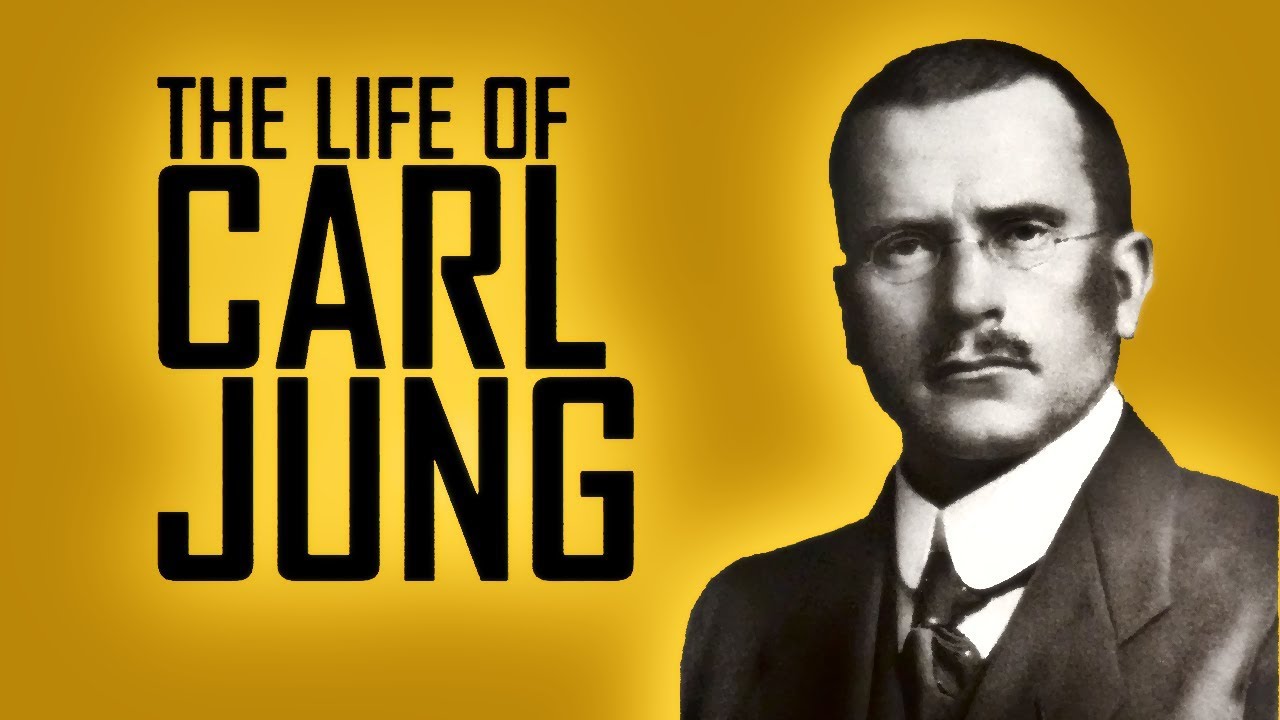
- 😀 Takeaway 3: The speaker discovered Carl Jung’s work, which deepened his understanding of the psyche’s response to trauma and its effects on people’s perceptions, such as projecting flying saucers into the sky after war.
- 😀 Takeaway 4: Research into creative individuals (artists, scientists, etc.) showed that these people find meaning in life through the act of creation, often without expecting fame or fortune.
- 😀 Takeaway 5: The concept of 'ecstasy' in creative work refers to stepping outside ordinary reality, often experienced in the process of creation—whether in art, music, or other pursuits.
- 😀 Takeaway 6: Creating something new, like music or art, can lead to an ecstatic state where the creator feels 'one' with their work, and even loses awareness of their own body or identity.
- 😀 Takeaway 7: A high level of training and immersion in a field is necessary for the spontaneous, 'flow-like' experience to occur, where the individual is completely absorbed in their work.
- 😀 Takeaway 8: The 'flow' experience is characterized by intense focus, clarity of purpose, immediate feedback, and the sense of time disappearing—all of which make the activity rewarding in itself.
- 😀 Takeaway 9: Studies show that activities producing flow can vary widely—from athletes and musicians to CEOs and business professionals—but the conditions for flow are universal.
- 😀 Takeaway 10: In flow, the balance between challenge and skill is crucial: when challenge exceeds skill, growth occurs; when skill exceeds challenge, boredom can set in. Striking the right balance is key to entering a flow state.
Q & A
What motivated the speaker to study the roots of happiness and meaningful living?
-The speaker was inspired by his experiences during World War II, observing how few adults could lead normal or happy lives after losing their homes, jobs, and security. This prompted him to explore what makes life worth living.
How did the speaker first become interested in psychology?
-He attended a free lecture about 'flying saucers' in Switzerland by chance, which turned out to be a talk by Carl Jung. Jung discussed how Europeans projected their trauma from the war into the sky, and this sparked the speaker’s interest in psychology.
What did the speaker’s research reveal about the relationship between material wealth and happiness?
-His research showed that after reaching a basic level of financial security, further increases in income do not significantly increase happiness. Beyond a few thousand dollars above the poverty line, material wealth has little effect on well-being.
What is the 'flow experience' as described by the speaker?
-Flow is a state of complete immersion and focus in an activity where one loses self-consciousness, feels a sense of ecstasy, and performs effortlessly. It occurs when a person’s skills are fully engaged in meeting a challenging task.
How did the composer interviewed by the speaker describe his experience while composing music?
-The composer described it as an ecstatic state where he felt as if he did not exist—his hand seemed to move by itself. He lost awareness of his body and surroundings, completely absorbed in the act of creation.
What does the speaker mean when saying 'ecstasy' in the context of creativity and civilization?
-Ecstasy refers to stepping into an alternative reality—a heightened state of experience. The speaker notes that great civilizations are remembered for the ecstatic spaces they built, like temples and theaters, where people could experience life more deeply.
What is the significance of long-term practice or training in achieving flow?
-The speaker explains that creativity and flow often require at least ten years of technical knowledge and immersion in a field. Only through deep mastery can spontaneous and innovative creation occur.
What common psychological conditions are associated with being in flow?
-Flow involves intense focus, clarity of goals, immediate feedback, a balance between challenge and skill, loss of self-awareness, distortion of time, and intrinsic motivation—doing the activity for its own sake.
How did the speaker and his colleagues study flow scientifically?
-They used electronic pagers to contact participants randomly throughout the day, asking what they were doing and how they felt. This method allowed researchers to map when and under what conditions people experienced flow.
What does the flow channel diagram illustrate?
-The diagram plots challenge versus skill levels to predict flow. People experience flow when both challenge and skill are high. Other states include arousal, control, relaxation, boredom, and apathy, depending on their relative balance.
Why does the speaker mention television watching in relation to apathy?
-He explains that watching television is the activity most associated with apathy, as it usually involves low challenge and low skill. However, about 7–8% of the time, it can induce flow if the viewer is deeply engaged.
What is the speaker’s ultimate goal in studying flow?
-The goal is to help more people structure their everyday lives so that more of their time is spent in the flow state—where they find deep engagement, satisfaction, and meaning in what they do.
Outlines

This section is available to paid users only. Please upgrade to access this part.
Upgrade NowMindmap

This section is available to paid users only. Please upgrade to access this part.
Upgrade NowKeywords

This section is available to paid users only. Please upgrade to access this part.
Upgrade NowHighlights

This section is available to paid users only. Please upgrade to access this part.
Upgrade NowTranscripts

This section is available to paid users only. Please upgrade to access this part.
Upgrade Now


5.0 / 5 (0 votes)
