Çatalhöyük (Catal Huyuk) and the Dawn of Civilization
Summary
TLDRChattel Hyeok, a Neolithic settlement near Chania, Turkey, dates back 10,000 years and exemplifies early human organization. Discovered in 1958 and excavated until the 1990s, it showcases sophisticated wall paintings and religious artifacts. The community, averaging 5,000 people, transitioned from foraging to farming during the Neolithic Revolution. Unique dwellings featured rooftop entrances and a communal lifestyle without apparent social hierarchies. The inhabitants' diet included wheat, barley, and legumes, and they may have worshipped goddesses, indicated by numerous female figurines.
Takeaways
- 🏚️ Çatalhöyük is one of the world's oldest known settlements, located near the modern Turkish city of Konya.
- 🕵️♂️ The settlement's original name is unknown, as it dates back to 10,000 years ago, long before written records.
- 🔍 Discovered relatively recently, Çatalhöyük was excavated from 1958 to 1964, with excavations resuming in the 1990s after a scandal involving the lead archaeologist, James Mellaart.
- 🌍 The site is famous for its age, size, and the discovery of wall paintings and religious objects, making it a significant archaeological site.
- 🌱 Çatalhöyük represents the shift from a hunter-gatherer lifestyle to a more sedentary agricultural one, part of the broader Neolithic Revolution.
- 🏘️ The settlement expanded over time, with an estimated population of 5,000 to 10,000 people, indicating a complex and organized community.
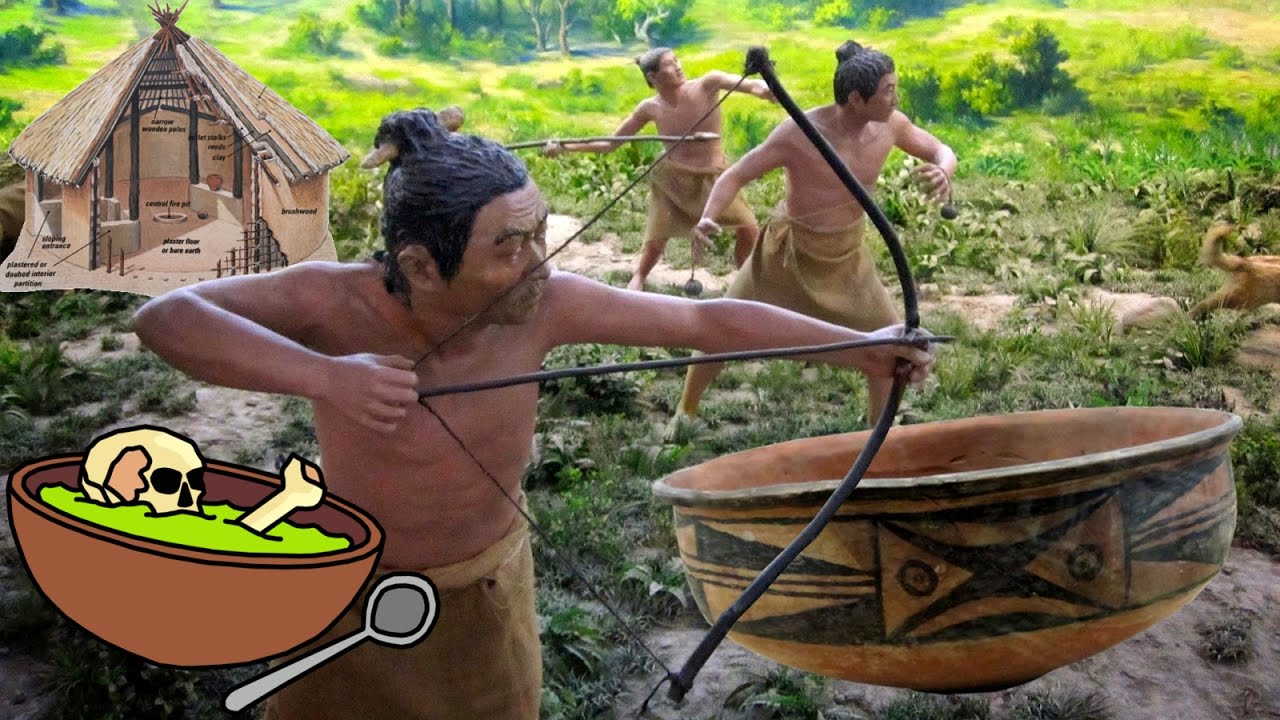
- 🛖 Residents lived in tightly packed dwellings with unique entry through ceiling holes, using ladders for access and ventilation.
- 🍲 The homes featured basic kitchen areas for cooking and sleeping quarters, with fires also serving as a source of warmth.
- 🗑️ Çatalhöyük had an effective sanitation system, with clean homes and designated areas outside for waste disposal.
- 👥 The culture appeared to be egalitarian, with no discernible social classes or hierarchies based on the uniformity of housing.
- 🥗 The diet of Çatalhöyük's inhabitants included wheat, barley, lentils, peas, and herd animals like sheep and goats.
- 🎨 The community had time for artistic pursuits, such as painting and sculpture, possibly indicating a belief system involving goddesses and animal spirits.
Q & A
Where is the settlement of Çatalhöyük located in relation to the Turkish city of Chania?
-The settlement of Çatalhöyük is not far from the Turkish city of Chania, although it should be noted that there seems to be a mistake in the transcript as Çatalhöyük is actually near the city of Konya in Turkey, not Chania which is in Greece.
How old is the Neolithic town of Çatalhöyük?
-Çatalhöyük is approximately ten thousand years old, making it one of the world's oldest known settlements.
What was the original name of the settlement of Çatalhöyük?
-The original name of the settlement is unknown, as it dates back to a time before written records.
Who led the excavation of Çatalhöyük and in what years did it occur?
-The excavation of Çatalhöyük was led by James Mellaart, primarily from its discovery in 1958 to 1964, with excavations resuming in the early 1990s.
Why did the excavations of Çatalhöyük stop for a while?
-Excavations stopped due to a scandal involving James Mellaart, although the specific details of the scandal are not mentioned in the script.
What has made Çatalhöyük one of the most famous archaeological sites in the world?
-Çatalhöyük is famous due to its age, sheer size, and the discovery of amazing artwork such as wall paintings and presumed religious objects.
What does the discovery of Çatalhöyük and similar villages indicate about early human communities?
-The discoveries indicate that the growth of such communities was not isolated and that there was a shift from a hunter-gatherer lifestyle to a more sedentary, agricultural one.
What transitional phase in human history is Çatalhöyük an example of?
-Çatalhöyük is an example of the Neolithic Revolution, a transitional phase when humans moved from foraging to farming.
What was the average population of Çatalhöyük during its peak?
-The settlement expanded to an average population of about 5,000 people, although it may have reached up to 10,000 during some generations.
How did the people of Çatalhöyük live in terms of housing?
-They lived in tightly packed dwellings in a honeycomb-like maze, entering through holes in the ceiling and using ladders for access. The rooftops acted as streets and the interiors included basic kitchen areas and sleeping quarters.
What can be inferred about the social structure of Çatalhöyük based on the archaeological findings?
-The social structure appears to have been relatively egalitarian, with no clear social classes or hierarchies, as all unearthed houses were more or less the same and there were no special accommodations for high-status individuals.
What was the daily diet of the people of Çatalhöyük?
-Their diet consisted of wheat, barley, lentils, peas, and other legumes, along with herded animals like sheep and goats, and possibly cattle.
What evidence suggests that the people of Çatalhöyük may have had religious beliefs or practices?
-The discovery of female figurines and mounted bull heads suggests that they may have worshipped a goddess or goddesses, and possibly male deities or animal spirits.
Outlines

This section is available to paid users only. Please upgrade to access this part.
Upgrade NowMindmap

This section is available to paid users only. Please upgrade to access this part.
Upgrade NowKeywords

This section is available to paid users only. Please upgrade to access this part.
Upgrade NowHighlights

This section is available to paid users only. Please upgrade to access this part.
Upgrade NowTranscripts

This section is available to paid users only. Please upgrade to access this part.
Upgrade Now


5.0 / 5 (0 votes)
