Gold Is Down — Here’s What History Says Happens Next
Summary
TLDRThe video analyzes the recent sharp drop in gold prices amid the Iran war, contextualizing it within historical market volatility. While gold fell 17% over three weeks—the worst weekly drop since 1980—the host explains that such short-term declines often reflect forced selling and liquidity stress, not broken fundamentals. By reviewing the top ten worst weeks in gold's history, including periods like the 1970s bull market, 1980 volatility, the 2008 financial crisis, and COVID, the video highlights that long-term trends typically recover. The takeaway: short-term traders may sell, but long-term investors see this as a buying opportunity, reaffirming gold’s enduring value.
Takeaways
- 😀 Gold has dropped more than 17% in the past three weeks, with a significant 10% drop in the last week alone due to the ongoing war in Iran.
- 😀 Oil prices are at the center of the discussion, with a divergence between the three major oil markets (Asia, Brent, and US), signaling broader market stresses.
- 😀 Although rising oil prices and geopolitical tensions typically push gold prices higher, short-term market dynamics (like forced deleveraging) can lead to a temporary sell-off in gold.
- 😀 Gold has experienced extreme weekly fluctuations before, but these short-term dips have not historically ended bull markets. Instead, gold has typically rebounded quickly.
- 😀 In the 1970s, despite several sharp declines in gold’s price, the long-term trend remained upward, and the pullbacks were seen as temporary corrections in a larger bull market.
- 😀 The 1980s saw extreme volatility in gold prices, including 10-20% weekly moves, due to regulatory changes, but these events were unique and not comparable to current market conditions.
- 😀 Liquidity stress, often seen in times of crisis (e.g., COVID or the Iran war), causes forced deleveraging where investors sell off all assets, including gold, despite it being a traditional safe haven.
- 😀 Historical analysis shows that even during major crises, gold’s long-term trend tends to remain intact, as seen during the 2008 financial crisis and the COVID-19 pandemic.
- 😀 Short-term investors (days) should view the current market as a signal to sell gold, as there are more lucrative opportunities in other sectors like oil or transportation.
- 😀 Long-term investors (years) should view the recent drop in gold as a buying opportunity, since gold’s underlying bullish trend remains strong despite short-term fluctuations.
- 😀 The most difficult time horizon for investors is the medium-term (months), as predicting market movements with a geopolitical crisis like the war in Iran is extremely challenging.
- 😀 In conclusion, while the short-term outlook for gold is uncertain, the long-term gold thesis remains intact, and the current market correction is likely temporary.
Q & A
What is the main reason for gold's recent decline in price?
-The primary reason for gold's recent 17% drop in price over the last three weeks is the geopolitical tension caused by the ongoing war in Iran, which has disrupted markets globally.
How does the price of oil relate to gold prices in this context?
-While rising oil prices generally increase the cost of mining gold, which could push gold prices up, the recent price drop in gold is due to liquidity stress and forced selling, not necessarily the rising energy costs.
What historical context is important when analyzing gold's price movements?
-Historically, gold has seen significant short-term pullbacks during both bull and bear markets. For example, in the 1970s and 1980s, gold experienced sharp declines, but these were part of longer-term trends, not indicative of a complete market reversal.
What can we learn from the worst weeks in gold's history?
-From the worst weeks in gold's history, particularly during the 1970s bull market, we learn that severe drops in price don't necessarily signal the end of a bull market. In most cases, the trend resumed after short-term corrections.
How does forced deleveraging affect gold prices in the short term?
-Forced deleveraging, such as margin calls during times of financial stress, can lead to widespread asset sales, including gold. This creates short-term price drops, even though gold may be a safe haven asset in the long term.
What role does liquidity play in the recent drop in gold prices?
-Liquidity stress, where investors are forced to sell assets like gold to cover losses in other markets (such as oil or equities), has contributed to the drop in gold prices. Gold is being sold not because it is a bad investment, but because it is a liquid asset that can be quickly converted to cash.
What is the significance of the 1980 market crash in gold's history?
-The 1980 market crash, which saw extreme volatility in both gold and silver prices, was triggered by new financial regulations. This period is seen as an anomaly, and it’s unlikely to be replicated, especially not due to the current geopolitical situation.
How does the war in Iran impact gold's long-term investment thesis?
-While the war in Iran has created short-term volatility, it doesn't break gold's long-term investment thesis. Historically, gold has proven resilient in the face of geopolitical crises, and it's expected to recover after the current sell-off, maintaining its value over the long term.
Why might gold be seen as a source of liquidity in the current market?
-In times of extreme market stress, investors may sell gold to raise cash quickly, especially if other assets like equities or commodities are facing significant losses. Gold becomes a source of liquidity rather than a safe haven in the short term during such forced selling events.
What does the speaker suggest as a strategy for investors in light of recent events?
-The speaker suggests that short-term investors may want to sell gold to avoid liquidity stress, while long-term investors should consider buying gold at its temporarily reduced price. The key is to align investment strategy with the appropriate time horizon—days, months, or years.
Outlines

Этот раздел доступен только подписчикам платных тарифов. Пожалуйста, перейдите на платный тариф для доступа.
Перейти на платный тарифMindmap

Этот раздел доступен только подписчикам платных тарифов. Пожалуйста, перейдите на платный тариф для доступа.
Перейти на платный тарифKeywords

Этот раздел доступен только подписчикам платных тарифов. Пожалуйста, перейдите на платный тариф для доступа.
Перейти на платный тарифHighlights

Этот раздел доступен только подписчикам платных тарифов. Пожалуйста, перейдите на платный тариф для доступа.
Перейти на платный тарифTranscripts

Этот раздел доступен только подписчикам платных тарифов. Пожалуйста, перейдите на платный тариф для доступа.
Перейти на платный тарифПосмотреть больше похожих видео
Silver Stackers: "China Has Your Back" - Mike Maloney

The Hidden Crisis Behind Gold’s Surge | Paper Gold Collapse?
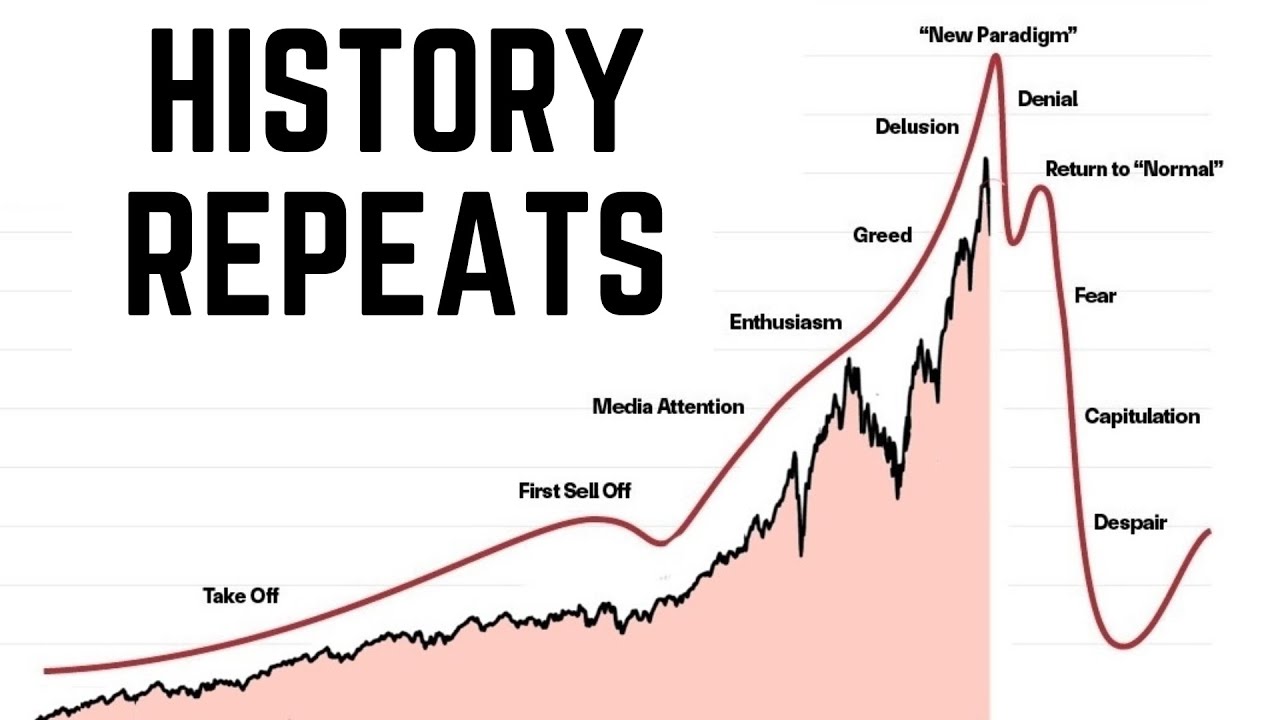
We are at the Precipice of a Major Turning Point for US Stocks…

China Balas Perang Dagang Trump, Kenaikan Tarif 125 Persen Picu Penarikan Aset AS

Huge News For Gold & Silver Stackers - ($3k Gold Price Changes Everything)

Dihantam Moody’s, IHSG Tergelincir: Masih Ada Harapan Balik Arah? | TICKER TALK
5.0 / 5 (0 votes)

