The Hero with a Thousand Faces
Summary
TLDRThe video explores the universal concept of the hero, as described in Joseph Campbell's *The Hero with a Thousand Faces*. It explains that heroes appear across cultures and history, performing extraordinary deeds—either physically, through acts of bravery and sacrifice, or spiritually, by achieving deeper human insight. The hero’s journey is cyclical: leaving one state, facing trials, gaining wisdom, and returning transformed. This cycle mirrors human psychological growth, such as the transition from childhood to adulthood, requiring the symbolic death of the old self and rebirth into self-responsibility. Ultimately, the hero’s journey represents a universal path of personal and spiritual transformation, relevant to everyone.
Takeaways
- 😀 The concept of the 'Hero with a Thousand Faces' refers to a common sequence of heroic actions found across cultures and history.
- 😀 Heroes are often defined by their extraordinary deeds, whether physical or spiritual, that go beyond the normal range of human achievement.
- 😀 Heroes can be physical heroes who perform acts of courage, like saving lives, or spiritual heroes who discover and communicate higher realms of human experience.
- 😀 The hero’s journey is a cycle of going and returning, symbolizing both external achievements and internal transformation.
- 😀 One common motif in the hero's journey is the initiation ritual, where a person undergoes a psychological and spiritual transformation.
- 😀 A key part of becoming an adult is letting go of childhood dependencies, symbolizing a psychological 'death and resurrection.'
- 😀 The hero's journey represents personal growth, as the hero moves from one condition of life to another, more mature state.
- 😀 Even if we are not heroes in a grand, societal sense, we each must take the hero's journey within ourselves, spiritually and psychologically.
- 😀 The hero's journey is universal, experienced by everyone in the transition from childhood to adulthood, and can be viewed as a metaphor for personal development.
- 😀 Myths and stories of heroes are not just entertaining; they are narratives that explore the value of sacrifice, growth, and achieving something greater than oneself.
- 😀 The hero's journey can apply to both external events and internal, personal experiences, highlighting the importance of self-responsibility and transformation.
Q & A
What is the central theme of 'The Hero with a Thousand Faces'?
-The central theme of 'The Hero with a Thousand Faces' is the universal hero's journey, which consists of a sequence of actions that can be found in stories from all over the world and throughout history. It emphasizes a common structure and experience that transcends cultures and time periods.
Why do stories of heroes appear so frequently in mythology and literature?
-Stories of heroes are prevalent in mythology and literature because they focus on themes of extraordinary achievement, sacrifice, and personal growth. These stories resonate with human aspirations and often reflect important moral, spiritual, or physical deeds that are worth writing about.
What characterizes a hero, according to the script?
-A hero is characterized by someone who has accomplished something beyond the normal range of human achievement and experience, often involving a sacrifice for something greater than themselves. This can manifest in physical acts of heroism or in spiritual transformation.
What are the two types of deeds a hero can perform?
-The two types of deeds a hero can perform are physical deeds, such as acts of war or saving lives, and spiritual deeds, which involve learning or discovering a higher state of human experience and then returning to share that knowledge.
What is the 'cycle' that the hero's journey represents?
-The hero's journey represents a cycle of 'going and returning'. This cycle involves leaving a familiar or comfortable situation, experiencing transformation, and then returning, often bringing back wisdom, strength, or enlightenment to improve themselves or the world.
How does the script link the hero's journey to initiation rituals?
-The script compares the hero's journey to initiation rituals, where an individual, such as a child, must undergo a symbolic death and rebirth. This transition signifies the shift from dependency to self-responsibility, a journey everyone must face in their psychological or spiritual maturation.
What is the psychological significance of the hero's journey?
-Psychologically, the hero's journey represents the need for individuals to move from childhood dependency to adulthood and self-responsibility. This transformation is akin to a 'death and resurrection,' where the person evolves into a more mature and self-sufficient individual.
Is everyone a hero in the grand sense, according to the script?
-No, not everyone is a hero in the grand sense of redeeming society. However, everyone must undergo their own personal hero’s journey, spiritually and psychologically, to grow and achieve self-responsibility.
What role does sacrifice play in the hero's journey?
-Sacrifice plays a crucial role in the hero's journey, whether through giving one's life for a greater cause or through the personal sacrifices required to undergo transformation. A hero often has to let go of something significant in order to achieve their ultimate goal.
How does the hero's journey relate to human experience across cultures?
-The hero's journey transcends cultural boundaries, as the sequence of actions and transformations experienced by heroes is a common thread found in mythologies and stories from different societies and time periods. This suggests a universal human experience of growth and transformation.
Outlines

Этот раздел доступен только подписчикам платных тарифов. Пожалуйста, перейдите на платный тариф для доступа.
Перейти на платный тарифMindmap

Этот раздел доступен только подписчикам платных тарифов. Пожалуйста, перейдите на платный тариф для доступа.
Перейти на платный тарифKeywords

Этот раздел доступен только подписчикам платных тарифов. Пожалуйста, перейдите на платный тариф для доступа.
Перейти на платный тарифHighlights

Этот раздел доступен только подписчикам платных тарифов. Пожалуйста, перейдите на платный тариф для доступа.
Перейти на платный тарифTranscripts

Этот раздел доступен только подписчикам платных тарифов. Пожалуйста, перейдите на платный тариф для доступа.
Перейти на платный тарифПосмотреть больше похожих видео
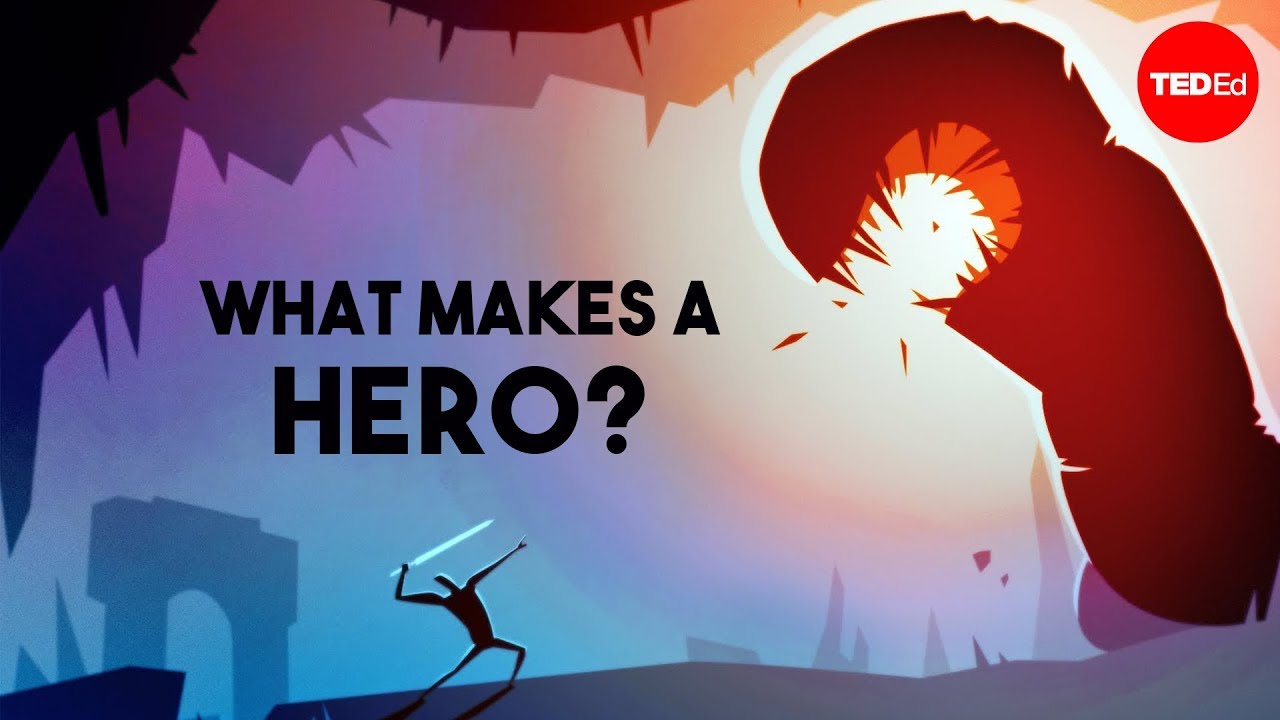
What makes a hero? - Matthew Winkler

The Epic of Gilgamesh: Crash Course World Mythology #26

These 5 Books Taught Me How to Design Games

What Is A Hero? The Hero With A Thousand Faces Explained - John Bucher

The Hero's Journey and the Monomyth: Crash Course World Mythology #25

Why Antiheroes aren't Villains
5.0 / 5 (0 votes)

