Kedatangan Sekutu Serta Perjuangan Mempertahankan Kemerdekaan 1 - Sejarah Kelas X
Summary
TLDRThis script discusses Indonesia's struggle for independence during the period when Allied forces (Sekutu) arrived in Indonesia after World War II. It highlights key battles like those in Medan, Ambarawa, and Surabaya, where Indonesian forces fought against the Allies to defend their sovereignty. The script also emphasizes the promises made by the Allies to help Indonesia, which were ultimately broken, leading to heightened tensions and resistance from the Indonesian people. The struggles, both armed and diplomatic, are outlined as pivotal moments in Indonesia's fight to maintain its independence.
Takeaways
- 😀 The video discusses the second semester material, focusing on the arrival of the Allies in Indonesia and the struggles for independence.
- 😀 Indonesia had already declared independence, but there were concerns that the Allies might attempt to reclaim control.
- 😀 The struggle for independence involved two main strategies: armed resistance and diplomacy, including negotiations and treaties.
- 😀 The Allies, led by Lieutenant General Sir Philip Christison, arrived in Indonesia on September 29, 1945, under the pretense of assisting but actually attempting to control the country.
- 😀 Initial interactions with the Allies involved some acceptance due to their claims of fair treatment, but these promises were later broken.
- 😀 Several significant battles occurred as a result of the Allies’ presence, including Medan Area, Ambarawa, Surabaya, Bandung, Margarana in Bali, Westerling in Makassar, and Manado.
- 😀 In Medan, incidents began when the Allies disrespected the Indonesian flag, leading to clashes with local youths and TKR (Indonesian Army) forces.
- 😀 Agreements made between Indonesia and the Allies, such as limiting troop deployment, were often violated, escalating conflicts in places like Rawa, Magelang, and Ambarawa.
- 😀 Key leaders like Colonel Sudirman played a critical role in organizing and leading Indonesian forces to resist the Allies, including the 14-day battle in Ambarawa commemorated by Monumen Palagan.
- 😀 The overall message highlights that although the Allies promised support, their true intention was to regain control, which led to numerous local uprisings and battles to defend Indonesia's independence.
Q & A
What was the main topic discussed in the video transcript?
-The video discusses the arrival of Allied forces in Indonesia after its independence, and the subsequent struggles and battles to maintain Indonesia's independence during the early post-independence period.
Why was Indonesia concerned about the arrival of the Allied forces?
-Indonesia was concerned that the Allied forces, particularly the British and Dutch, might try to reassert control over the country and threaten its newly declared independence.
How did Indonesia defend its independence according to the transcript?
-Indonesia defended its independence through two main strategies: armed resistance using weapons and military actions, and diplomatic efforts through negotiations and agreements.
Who led the Allied forces arriving in Indonesia in September 1945?
-The Allied forces were led by Lieutenant General Sir Philip Christison, a British military officer.
What was the outcome of the initial reception of the Allies by the Indonesian people?
-Initially, the Allies were received politely, as they claimed to be freeing prisoners of war. However, it soon became clear that they intended to regain control, leading to distrust and conflict with Indonesian forces.
Which cities were mentioned as sites of significant battles between Indonesia and the Allied forces?
-Key battles occurred in Medan, Ambarawa, Surabaya, Bandung, Margarana (Bali), and Makassar, highlighting widespread resistance against Allied attempts to reassert control.
What incident sparked the first conflict between Indonesian youth and the Allied forces in Medan?
-The conflict was triggered when the Allied forces disrespected the Indonesian flag (Merah Putih) in a hotel, which angered local youths and led to clashes.
What was the significance of the Medan Area according to the transcript?
-The Medan Area was strategically important as it marked the boundaries of Allied control in northern Sumatra, and it became a site of intense battles between Indonesian forces and the Allies.
What role did Colonel Sudirman play in the resistance against the Allies?
-Colonel Sudirman coordinated military operations, provided leadership, and boosted the morale of Indonesian troops during key battles, including the defense of Ambarawa.
How long did the Battle of Ambarawa last, and how is it commemorated?
-The Battle of Ambarawa lasted four days, and it is commemorated with the Monumen Palagan Ambarawa. Every year on December 5, it is observed as a day honoring the Indonesian National Armed Forces.
What agreements were made between Indonesia and the Allied forces, and were they upheld?
-Agreements were made limiting Allied troop presence to specific tasks, such as handling prisoners of war. However, these agreements were often violated, with the Allies reinforcing their troops and pursuing control, leading to further conflicts.
What lessons about Indonesia’s early independence struggle can be drawn from this transcript?
-The transcript highlights the resilience of Indonesian forces, the importance of both military and diplomatic strategies, and the persistent challenges of maintaining sovereignty against foreign powers even after formal independence was declared.
Outlines

このセクションは有料ユーザー限定です。 アクセスするには、アップグレードをお願いします。
今すぐアップグレードMindmap

このセクションは有料ユーザー限定です。 アクセスするには、アップグレードをお願いします。
今すぐアップグレードKeywords

このセクションは有料ユーザー限定です。 アクセスするには、アップグレードをお願いします。
今すぐアップグレードHighlights

このセクションは有料ユーザー限定です。 アクセスするには、アップグレードをお願いします。
今すぐアップグレードTranscripts

このセクションは有料ユーザー限定です。 アクセスするには、アップグレードをお願いします。
今すぐアップグレード関連動画をさらに表示

Sejarah Indonesia Kelas XI - Dari Rengas Dengklok ke Pegangsaan Timur || Seri Pembelajaran Daring
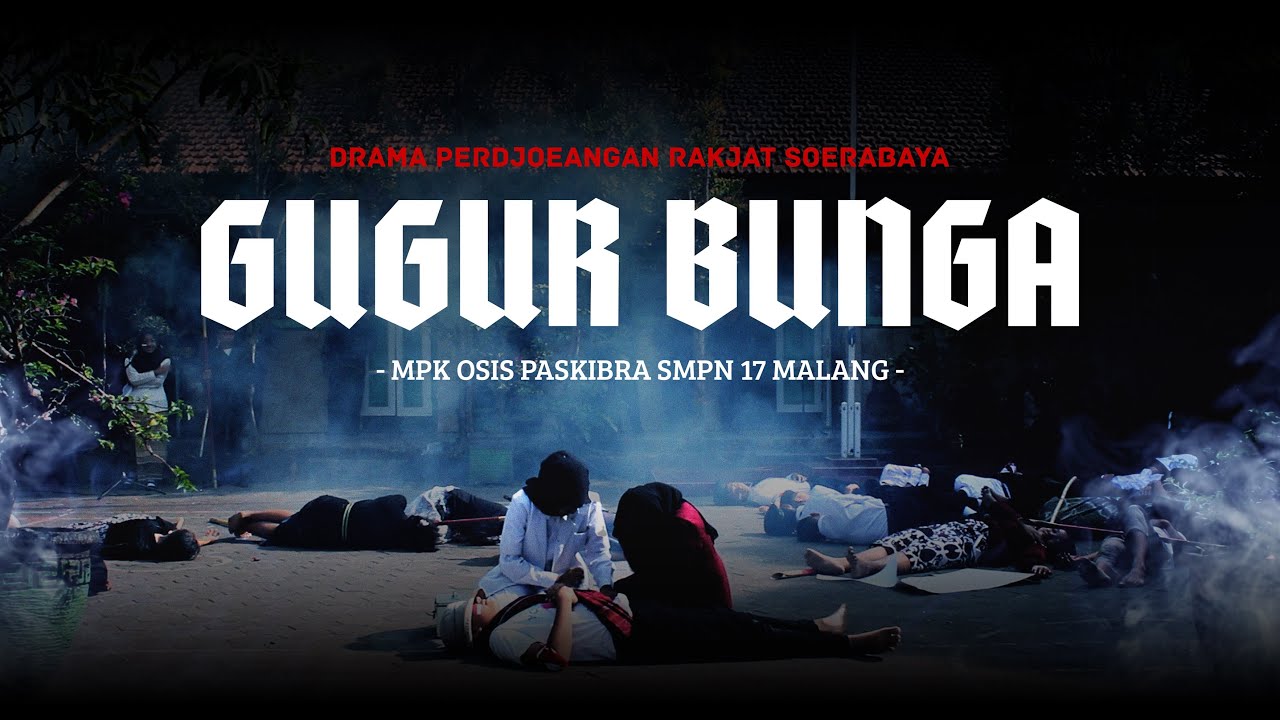
DRAMA "GUGUR BUNGA"
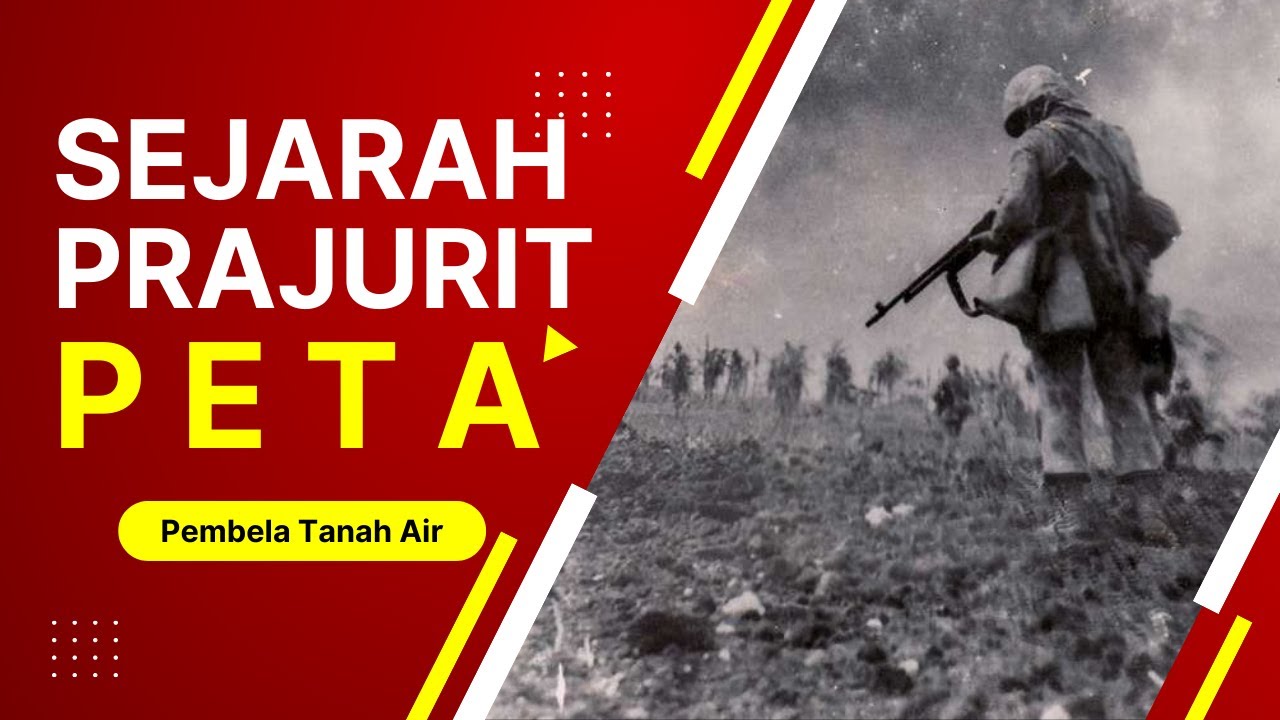
Sejarah Latar Belakang Pembentukan PETA dan Tujuannya
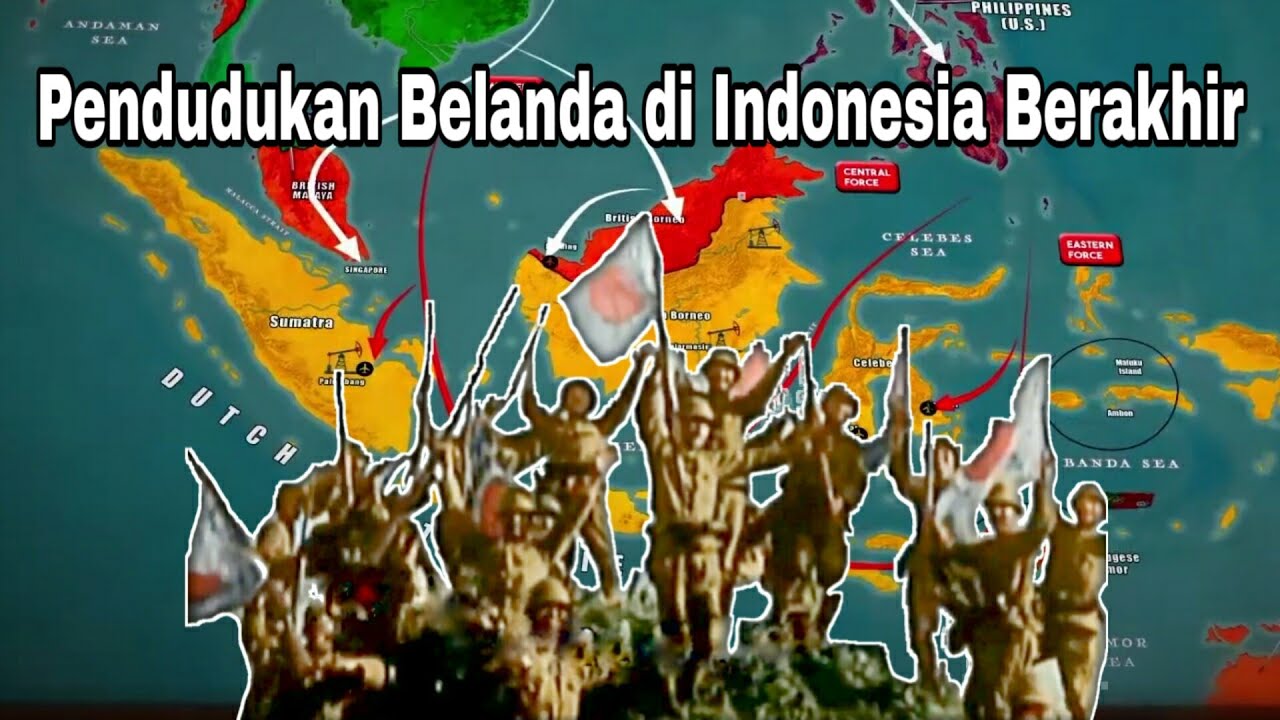
Tahun 1942, Belanda dan Sekutu Menyerah kepada Jepang di Hindia-Belanda (Indonesia)
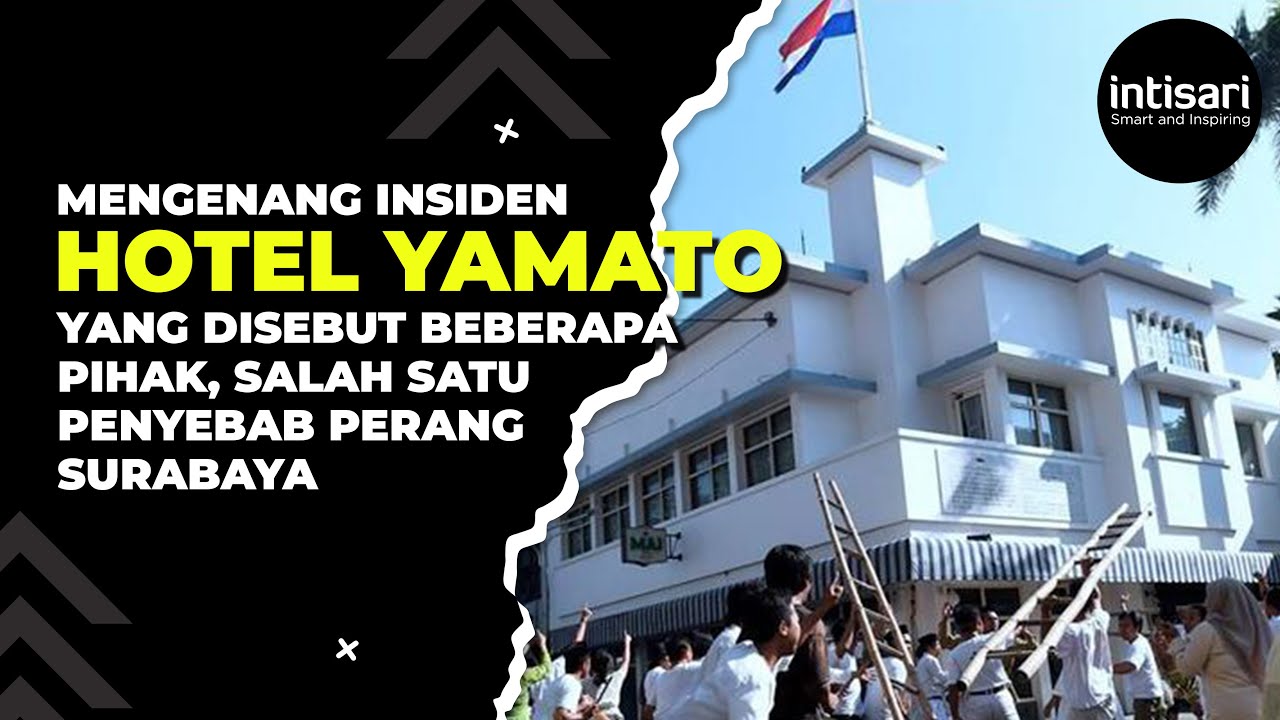
Insiden Hotel Yamato Atau Peristiwa Penyobekan Bendera Belanda Pada 19 September 1945 Di Surabaya
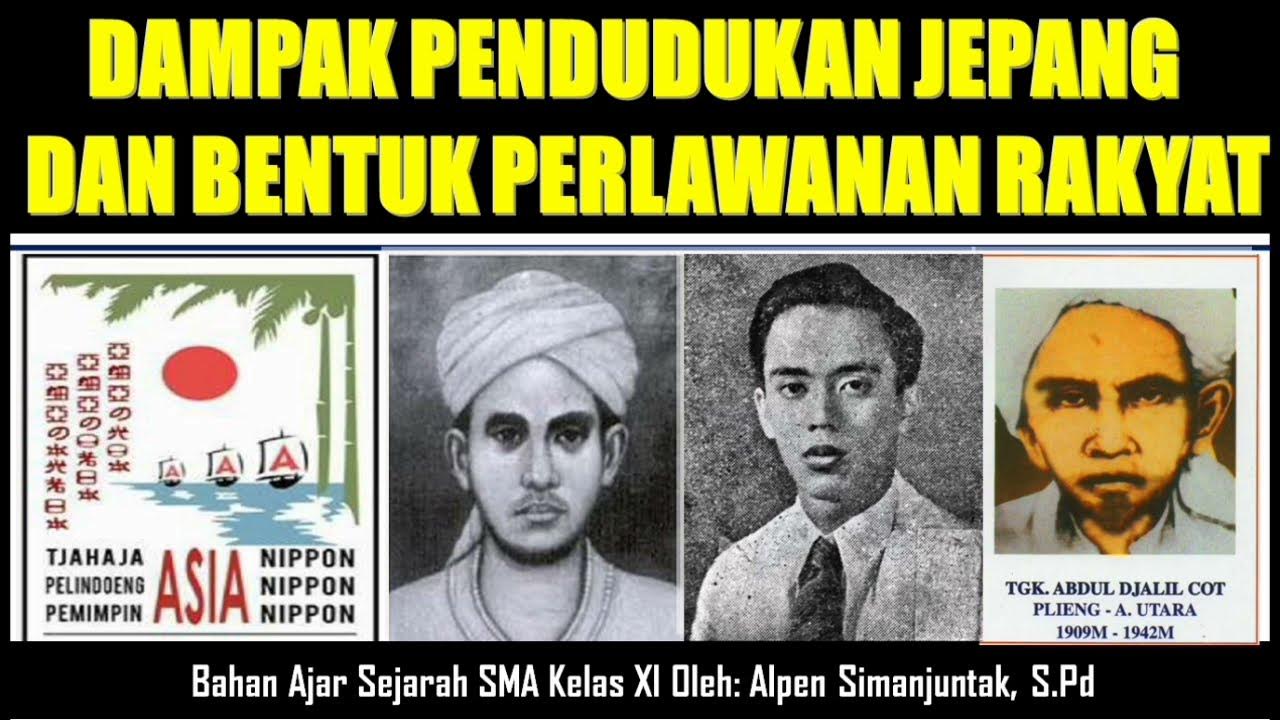
🛑Dampak Pendudukan Jepang dan Bentuk Perlawanan Rakyat @alpenroom
5.0 / 5 (0 votes)

