3D Printing Aquarium Parts
Summary
TLDRIn this video, the creator explores the world of 3D printing for aquarium projects, sharing their experiences as a beginner. They discuss transitioning from a resin printer to a filament-based Bamboo P1S for making aquarium parts like fry baskets, maintenance arms, and replacement filters. The video also covers using materials like PETG and PLA for durability and safety. Other fun projects include designing a steampunk aquarium tank and a peanut beetle larvae sorter. The creator also offers tips on troubleshooting common 3D printing challenges, and invites viewers to follow along with future live streams and updates.
Takeaways
- 😀 3D printing for aquariums can be a great way to create custom parts, but be mindful of material safety. Resin is not safe for aquariums, while filament printers using PETG and PLA are better options.
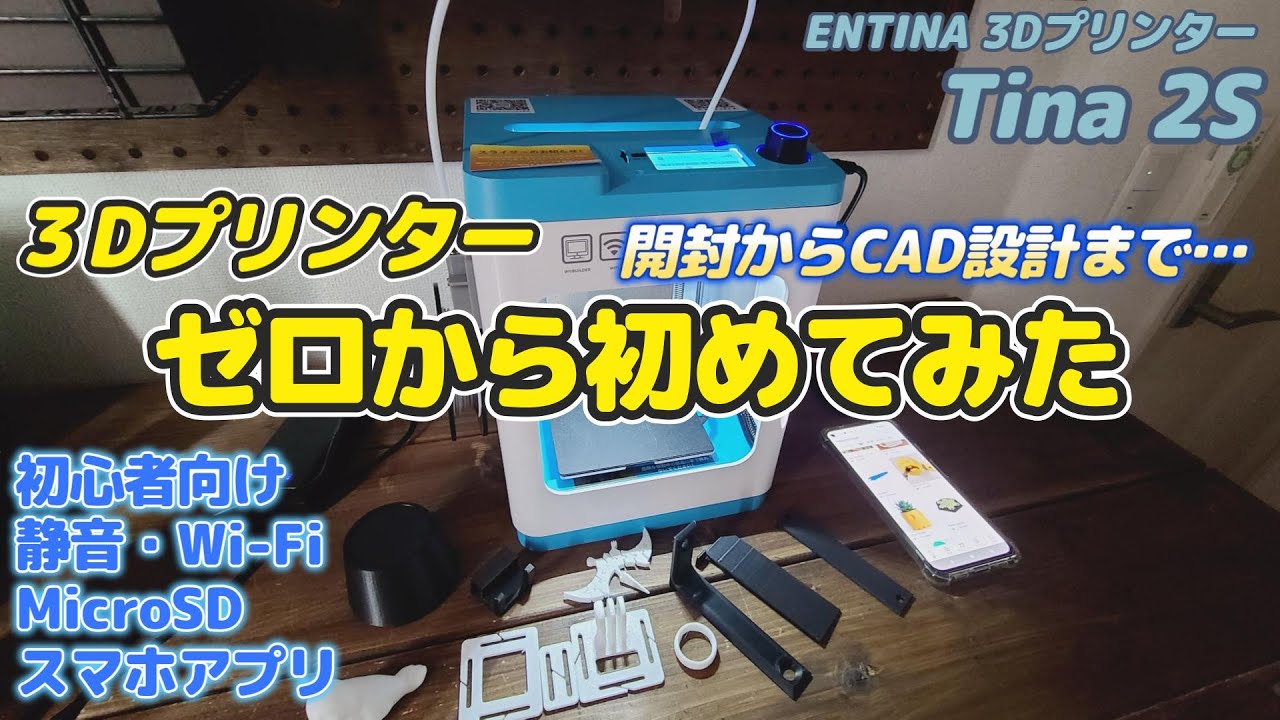
- 😀 Filament 3D printers like the Bamboo P1S are user-friendly and great for beginners who don’t want to deal with complex electronics. They also come with features like AMS (filament disc changer) and purge systems for switching filament colors.
- 😀 PETG is one of the most commonly used filament types for aquarium items due to its resistance to moisture and its sturdiness, while PLA is safe for non-water interacting items.
- 😀 The cost of 3D printers is decreasing, and more affordable models are available, especially for simple tasks. Prices for basic models can range from $200 to $300.
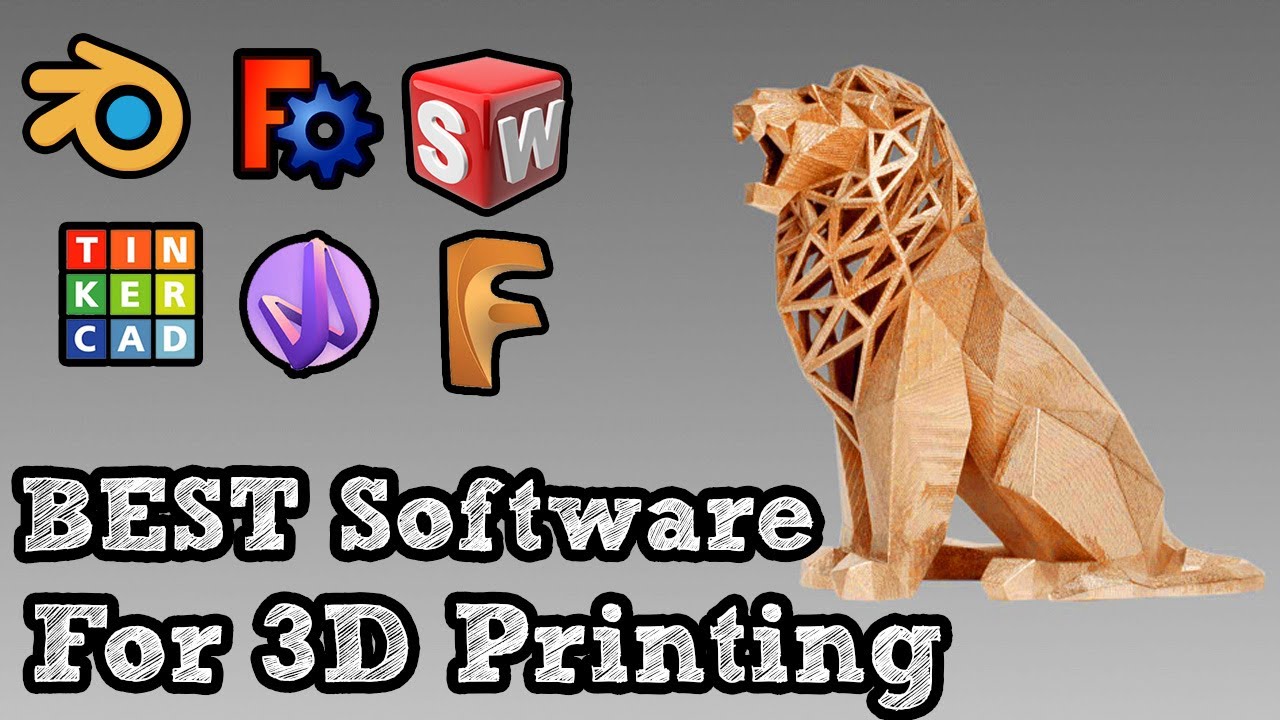
- 😀 Tinkercad is a great tool for beginners to design 3D models for printing. It's easy to use and a fun way to introduce kids to 3D design.
- 😀 3D printed aquarium parts, such as floating baskets for fry or maintenance arms, can be incredibly useful for aquariums, offering customization and convenience.
- 😀 Feeding rings, which can be printed from leftover filament, are simple yet effective items to make for your aquarium, and they help in reducing waste filament.
- 😀 The Bamboo app and Thingiverse are great resources for finding and printing aquarium parts. The app allows easy printing directly from the website, while Thingiverse has many free designs for different needs.
- 😀 Custom filter cartridges for smart aquariums can be 3D printed, offering a more sustainable and cost-effective solution compared to buying replacement parts from the manufacturer.
- 😀 The ongoing project of creating a steampunk-inspired aquarium with a custom filter system highlights the versatility of 3D printing in designing both aesthetic and functional aquarium accessories.
- 😀 Creating a peanut beetle larva sorter is another example of how 3D printing can help with small, practical tasks in aquarium and pet care, improving the efficiency of harvesting insects for feeding.
Q & A
What type of 3D printer did the speaker choose for their aquarium projects?
-The speaker chose a bamboo P1S filament 3D printer, as it's user-friendly and suitable for aquarium-related prints.
Why did the speaker initially avoid using a resin 3D printer for their aquarium projects?
-The speaker avoided using a resin 3D printer because there are no safe resins for aquariums, meaning the prints would not be aquarium-safe.
What material is most commonly used for 3D printed aquarium parts?
-The most commonly used material for 3D printed aquarium parts is PETG, as it's resistant to moisture and is sturdy. PLA is also used for projects that don't interact with water a lot.
What are some of the accessories or items that the speaker has 3D printed for their aquarium?
-The speaker has printed floating baskets for fry, maintenance arms for the Fluval Flex aquarium, feeding rings, and even replacement filter cartridges for a smart aquarium.
What software does the speaker use to design their 3D prints?
-The speaker uses Tinkercad, which is a simple and effective tool for designing 3D objects.
What issue does the speaker address about the Fluval Flex aquarium, and how do they solve it?
-The speaker addresses the issue of the Fluval Flex's hood sliding off during maintenance. They solved it by designing and printing custom arms to keep the hood in place during cleaning.
What is the purpose of the printed feeding rings?
-The printed feeding rings are floating devices that help to keep food in one area of the tank, making feeding more efficient. They are especially useful for using up leftover filament.
How does the speaker customize 3D printed items in terms of color?
-The speaker customizes their prints by switching filament colors midway through the printing process. For example, they combined green and black filaments in the same print to create a stylish effect.
What kind of project is the speaker working on involving a steampunk-style tank?
-The speaker is working on recreating a steampunk-style aquarium tank. They are designing and 3D printing parts for a custom filter box and panels for a small aquarium with a steampunk theme.
How does the speaker use 3D printing to harvest peanut beetles and larvae?
-The speaker created a 3D-printed peanut beetle larvae sorter. This device separates the larvae from the peanuts by using a multi-layered design with different sized holes, allowing the larvae to fall through to a lower tray for easy collection.
Outlines

このセクションは有料ユーザー限定です。 アクセスするには、アップグレードをお願いします。
今すぐアップグレードMindmap

このセクションは有料ユーザー限定です。 アクセスするには、アップグレードをお願いします。
今すぐアップグレードKeywords

このセクションは有料ユーザー限定です。 アクセスするには、アップグレードをお願いします。
今すぐアップグレードHighlights

このセクションは有料ユーザー限定です。 アクセスするには、アップグレードをお願いします。
今すぐアップグレードTranscripts

このセクションは有料ユーザー限定です。 アクセスするには、アップグレードをお願いします。
今すぐアップグレード



5.0 / 5 (0 votes)

