PENGANTAR VENDOR/SUPPLIER MANAGEMENT
Summary
TLDRIn this video, Oktri explains the essentials of effective vendor and supplier management. Key topics include the importance of building strong, mutually beneficial relationships, selecting the right vendors, and performing risk assessments. Oktri emphasizes the need for fair negotiation, clear contract management, and ongoing performance evaluations to ensure vendors meet expectations. Additionally, he discusses the significance of developing vendors for long-term growth and how continuous collaboration between a company and its suppliers can drive success. The video provides actionable insights on making vendor management strategic, wise, and beneficial for all parties involved.
Takeaways
- 🤝 Vendor management is about building strategic, mutually beneficial partnerships rather than treating vendors merely as suppliers.
- 📊 Companies must maintain a comprehensive and updated vendor database, including both existing and potential vendors.
- 🔍 Regular vendor analysis and risk assessment are essential to categorize vendors based on performance and reliability.
- ⚖️ Decisions about vendors should be data-driven and objective, not influenced by emotional closeness or familiarity.
- 🏷️ Vendor selection should follow measurable, transparent, and controlled mechanisms to ensure fairness and quality outcomes.
- 💬 Negotiation should aim for mutual benefit, avoiding excessive price pressure that may reduce quality or performance.
- 📄 Contract management must be handled professionally, with clear, non-ambiguous clauses tailored to each specific procurement.
- 📈 Vendor performance should be evaluated periodically using measurable, evidence-based indicators to avoid disputes.
- 🏆 Sharing performance results with vendors encourages accountability and continuous improvement.
- 🔄 Vendor development should focus on joint collaboration and long-term improvement, especially within regulatory boundaries for public institutions.
- ⚖️ Government institutions must comply with procurement regulations, while private companies have more flexibility in long-term vendor relationships.
- 🚀 Effective vendor management supports sustainable growth by fostering reciprocal responsibility, transparency, and continuous improvement.
Q & A
What is the importance of vendor management?
-Vendor management is crucial because it helps build strong, mutually beneficial relationships with suppliers. It ensures companies have reliable partners to provide goods and services, while also managing risks and optimizing costs.
How can a company identify the right vendors?
-A company should maintain a comprehensive vendor database, actively assess potential vendors, and use selection criteria that include pricing, quality, and reliability. This helps in choosing vendors who align with the company's needs and goals.
What does it mean to analyze a vendor’s performance?
-Analyzing a vendor’s performance involves categorizing them based on quality, delivery, and service. This can include grading them as 'very good', 'good', 'satisfactory', or even 'blacklisted'. It helps in understanding which vendors are meeting expectations and which ones need improvement.
Why is vendor selection important?
-Vendor selection is critical because choosing the wrong supplier can lead to poor product quality, missed deadlines, and financial losses. A structured, transparent selection process ensures that only the best vendors are chosen, reducing risks.
What are the key factors to consider during vendor negotiation?
-During vendor negotiations, it’s important to seek mutually beneficial agreements. Consider pricing, quality, timelines, and payment terms. Negotiating too aggressively can lead to the vendor compromising on product quality or service.
What should be included in a vendor contract?
-A vendor contract should clearly define the scope of work, payment terms, delivery schedules, quality standards, and penalties for non-compliance. It should also have clauses that protect both parties in case of disagreements or breaches.
How can companies measure a vendor's performance?
-Companies can evaluate vendor performance by using measurable indicators such as on-time delivery rates, product quality, responsiveness, and adherence to contract terms. This can be tracked over time to assess consistency and reliability.
What does 'vendor development' mean in a business context?
-Vendor development refers to the process of helping suppliers improve their capabilities. This could include improving product quality, streamlining delivery times, or enhancing customer service. It’s about creating long-term partnerships where both parties grow together.
What role does legal support play in vendor management?
-Legal support ensures that contracts are drafted properly and meet all necessary legal requirements. A legal team can help prevent disputes, ensure compliance, and provide guidance on regulations, particularly in government or public sector procurement.
How does government procurement affect vendor relationships?
-In government procurement, there are strict rules and regulations that limit how vendors are selected and developed. Companies need to ensure they are compliant with laws, such as Perpres No 16 Tahun 2018 in Indonesia, to avoid legal complications and penalties.
Outlines

このセクションは有料ユーザー限定です。 アクセスするには、アップグレードをお願いします。
今すぐアップグレードMindmap

このセクションは有料ユーザー限定です。 アクセスするには、アップグレードをお願いします。
今すぐアップグレードKeywords

このセクションは有料ユーザー限定です。 アクセスするには、アップグレードをお願いします。
今すぐアップグレードHighlights

このセクションは有料ユーザー限定です。 アクセスするには、アップグレードをお願いします。
今すぐアップグレードTranscripts

このセクションは有料ユーザー限定です。 アクセスするには、アップグレードをお願いします。
今すぐアップグレード関連動画をさらに表示
TIPS & TRIK VENDOR MANAGEMENT

Gestão de compras - Prefeitura de Itaquaquecetuba-SP
PENGANTAR SUPPLY CHAIN MANAGEMENT (cara sederhana mempelajari manajemen rantai pasok)
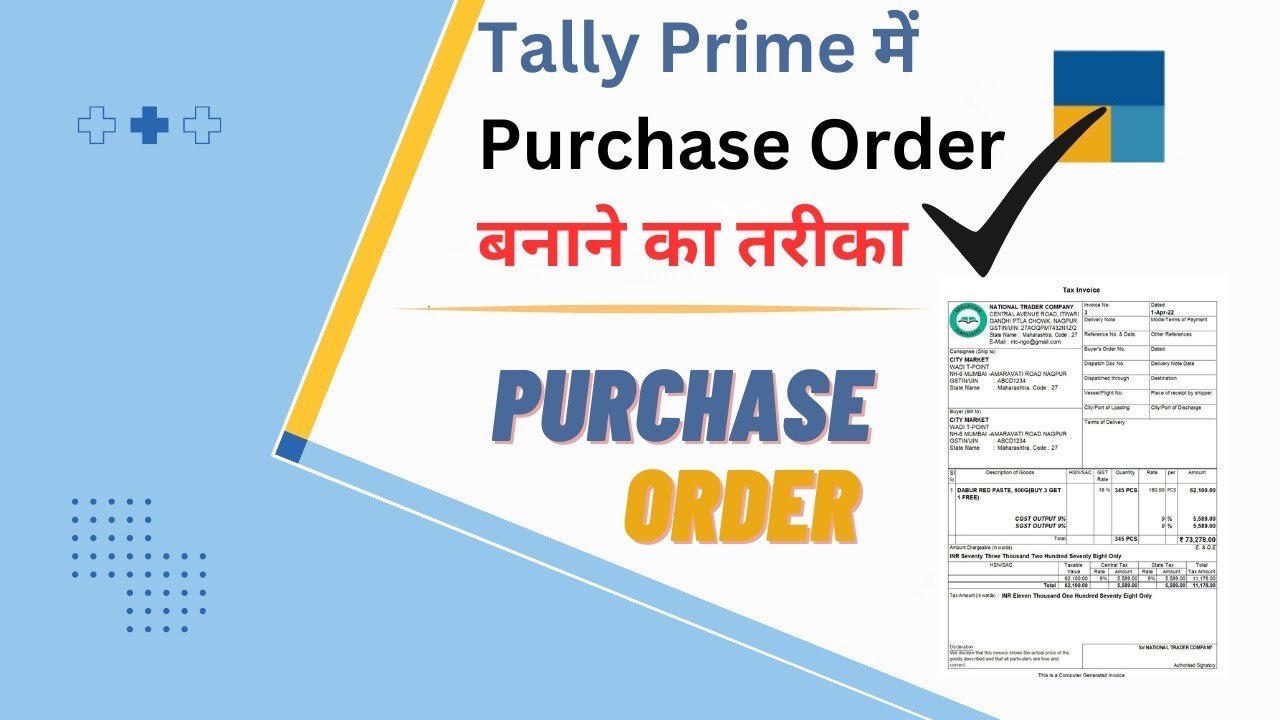
How to make Purchase order in Tally Prime | Tally me purchase order kaise banaye | #purchaseorder

MANAJEMEN PROYEK (SESI 1) - PENJADWALAN DENGAN SOFTWARE POM-QM VERSI 4

Digital Operational Resilience Act (DORA) Compliance through Vendor and Contract Management
5.0 / 5 (0 votes)

