MAKABANSA 3 Week 1 Quarter 3 Ang Sinaunang Pilipino – Homo luzonensis Matatag Revised K12
Summary
TLDRThis video explores the fascinating history of Homo sapiens' arrival in the Philippines and the significant archaeological findings related to early human migration. It highlights the discovery of bipedal creatures and the complex sea crossings that early humans may have used to reach the islands. The narrative underscores the importance of the Philippines as a key site in understanding human evolution, with contributions from local archaeologists and experts. The video emphasizes the growing importance of the Philippines' archaeological history and its global significance.
Takeaways
- 😀 Homo sapiens arrived in the area around 50,000 to 67,000 years ago.
- 😀 Evidence suggests that humans did not meet other hominins in the region, as they mysteriously disappeared around 34,000 years ago.
- 😀 The species being discussed is fully bipedal and capable of proper walking, with better climbing abilities than Homo sapiens.
- 😀 To reach Lon, there was an open sea water crossing required, either from the tip of Palawan to Muro Menuro or through a longer route involving Borneo and Mindanao.
- 😀 There is currently no archaeological evidence for human presence at certain sites along these routes.
- 😀 The discovery of these sites in the Philippines is a game-changer, positioning the region on the map in the context of human history.
- 😀 Archaeological sites in the Philippines deserve greater recognition due to the diligent work of archaeologists throughout history.
- 😀 The script includes references to specific archaeological efforts, such as those by Dr. Miharees and Mark Salazar of GMA News.
- 😀 The music throughout the video creates an immersive atmosphere that complements the educational content.
- 😀 A reminder to viewers to stay safe and informed, with a closing message promoting educational content on Teacher ID's YouTube channel.
Q & A
What is the significance of Homo sapiens in the context of the transcript?
-Homo sapiens are mentioned in the transcript to highlight the timeline of human migration and evolution. They are noted as having arrived in the Philippines between 50,000 to 67,000 years ago, with their early presence marked by archaeological evidence.
What happened to the hominin species that were in the Philippines before Homo sapiens?
-The transcript suggests that other hominin species, possibly Homo luzonensis, were present in the Philippines before Homo sapiens arrived. However, by around 34,000 years ago, there is no evidence that these species survived or coexisted with Homo sapiens.
What does the transcript reveal about the archaeological findings in the Philippines?
-The transcript emphasizes the importance of the Philippines in the field of archaeology, particularly due to recent discoveries that place the region on the map. It mentions the efforts of Filipino archaeologists in uncovering and studying significant prehistoric sites.
Why is the discovery of Homo sapiens' migration routes in the Philippines significant?
-The discovery of migration routes in the Philippines is significant because it challenges previous assumptions about how early humans traveled. It suggests that there were open sea water crossings from Palawan to nearby islands, including a longer route via Borneo and Mindanao.
What role did archaeologists play in the research mentioned in the transcript?
-Archaeologists, particularly those in the Philippines, played a crucial role in uncovering evidence of early human migration and occupation. Their decades-long efforts have brought important historical sites to the forefront, increasing the Philippines' prominence in the study of human evolution.
How does the transcript portray the current understanding of ancient human species in the Philippines?
-The transcript presents the current understanding as evolving, with a focus on the new findings that contribute to the knowledge of ancient human species in the Philippines. It emphasizes the importance of these discoveries and suggests that the region’s archaeological sites are gaining more recognition.
What is the significance of the mention of 'cavemen' in the transcript?
-The mention of 'cavemen' seems to be a reference to early hominin species, like Neanderthals or Homo sapiens, and their presence in prehistoric times. The term 'cavemen' is used colloquially to describe the early humans or hominins who lived in caves or natural shelters.
What does the mention of 'heat' and 'fore' suggest in the transcript?
-'Heat' and 'fore' are most likely part of background audio or sound effects, providing an atmospheric context for the transcript. These cues may indicate dramatic elements or shifts in the narrative, though they don't directly contribute to the factual content of the script.
What does the repeated mention of 'music' imply about the presentation of the content?
-The repeated mentions of 'music' indicate that the content was likely accompanied by a musical score or background music to enhance the viewer's engagement or emotional response. It suggests a multimedia approach to the presentation of the script.
What is the call to action at the end of the transcript, and what does it suggest?
-At the end of the transcript, the call to action encourages viewers to 'like, share, and subscribe' to Teacher ID's YouTube channel. This suggests that the content is part of an educational video or series aimed at increasing viewer interaction and promoting the channel's growth.
Outlines

このセクションは有料ユーザー限定です。 アクセスするには、アップグレードをお願いします。
今すぐアップグレードMindmap

このセクションは有料ユーザー限定です。 アクセスするには、アップグレードをお願いします。
今すぐアップグレードKeywords

このセクションは有料ユーザー限定です。 アクセスするには、アップグレードをお願いします。
今すぐアップグレードHighlights

このセクションは有料ユーザー限定です。 アクセスするには、アップグレードをお願いします。
今すぐアップグレードTranscripts

このセクションは有料ユーザー限定です。 アクセスするには、アップグレードをお願いします。
今すぐアップグレード関連動画をさらに表示

Sejarah Seru ❗️❗️❗️ SEJARAH MANUSIA PURBA DI INDONESIA - SEJARAH INDONESIA

JENIS-JENIS MANUSIA PURBA || SEJARAH INDONESIA KELAS 10 (SEPULUH) #4
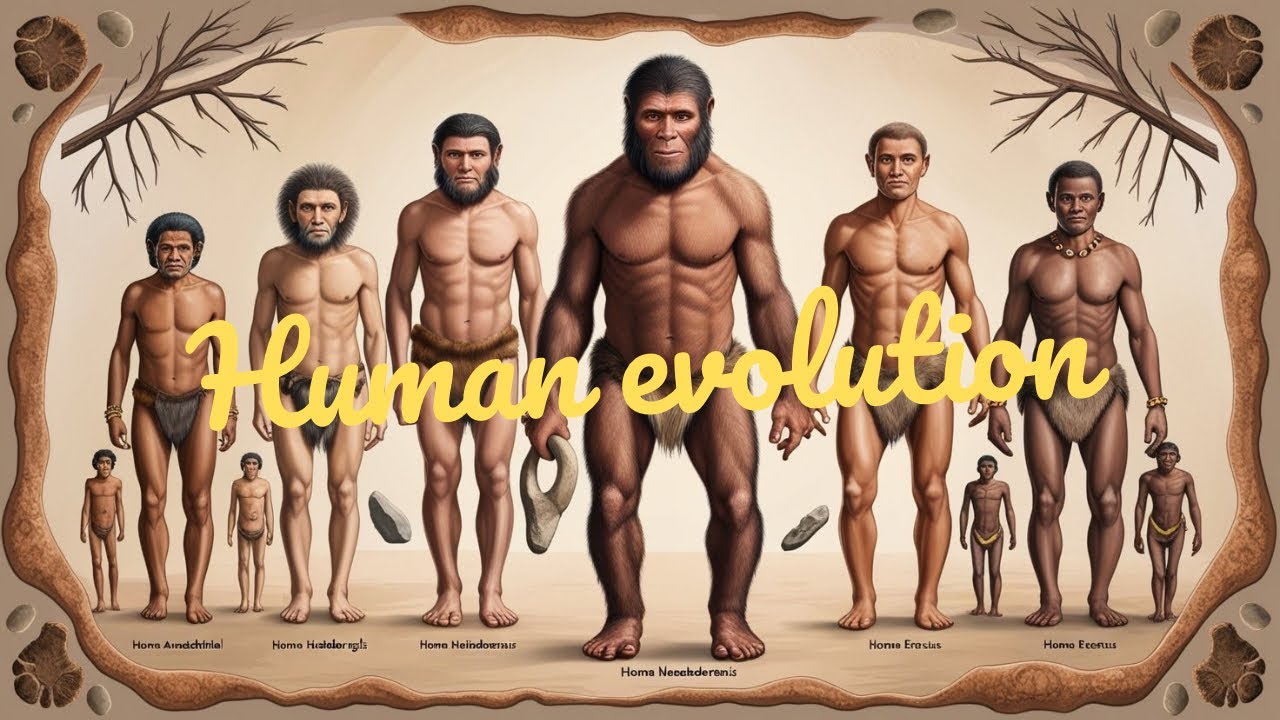
The Evolution of Humans: From Dryopithecus to Modern Homo Sapiens

When We Took Over the World

Hazrat Adam se pehle duniya mein kya tha | World before adam | Earth before human | Amber Voice

O que se sabe sobre a convivência do Homo sapiens com outras espécies de humanos
5.0 / 5 (0 votes)

