Human-Centered Design Principles: Designing for Humanity with Don Norman!
Summary
TLDRThe transcript discusses 21st-century design, emphasizing design thinking as a problem-solving approach. It highlights human-centered design with four components: focusing on people, solving the right problem, recognizing systems, and iterative learning. Designers, lacking specific content expertise, collaborate with experts to create solutions that resonate with affected communities, promoting community-driven design for global challenges.
Takeaways
- 🌟 **21st-century design**: It's not just about creating aesthetic objects but using design as a problem-solving approach to tackle global issues.
- 🤔 **Design Thinking**: This method of addressing problems has been around for decades and is a core part of the designer's toolkit.
- 🧑🤝🧑 **Human-Centered Design**: The approach focuses on people, ensuring designs are appropriate and relevant to their needs.
- 🎯 **Solving the Right Problem**: Designers aim to identify and address the root cause of issues, not just the symptoms.
- 🔍 **Fundamental Issues**: Designers look beyond immediate problems to understand and solve underlying systemic causes.
- 🌐 **Systems Thinking**: Recognizing that solutions must consider the interconnectedness of elements within a system.
- 🔬 **Iterative Process**: Designers use a trial-and-error approach, learning and adapting solutions based on feedback and outcomes.
- 👥 **Multidisciplinary Teams**: Effective design solutions often require collaboration with experts from various fields.
- 🌍 **Community-Driven Design**: Empowering local communities to lead and participate in the design process for sustainable solutions.
- 🌱 **Cultural Sensitivity**: Designers must understand and respect the culture and context of the people they are designing for.
- 🏆 **Long-Term Solutions**: Recognizing that significant problems require time and patience to address effectively.
Q & A
What is 21st-century design according to the speaker?
-21st-century design is not just about creating beautiful objects or experiences; it's a way of thinking that addresses major world problems using design thinking.
How long has design thinking been around?
-Design thinking has been around for approximately 80 to 100 years.
What are the four important components of human-centered design?
-The four components are: 1) human-centered, focusing on people; 2) solving the right problem, not just the symptoms; 3) recognizing everything as a system; 4) not rushing to a solution but experimenting and learning.
Why is it important to solve the right problem and not just the symptoms?
-Solving the right problem addresses the root cause, preventing the problem from recurring, whereas solving symptoms only provides temporary relief.
Can you provide an example of solving the right problem from the script?
-Yes, the example given is addressing the homeless problem to prevent cholera epidemics, rather than just treating the sick.
What does the speaker mean by 'everything is a system'?
-The speaker means that all parts of a problem are interconnected, so to solve it effectively, one must understand and address the entire system.
Why is it crucial not to rush to a solution in design?
-Rushing to a solution can lead to ineffective solutions that don't account for human, societal, and cultural complexities. Instead, a gradual, iterative approach allows for better problem-solving.
How does the speaker describe the role of designers in solving problems?
-Designers are trained to use design thinking to solve complex problems, often working in multidisciplinary teams and facilitating solutions rather than imposing them.
What is community-driven design as mentioned in the script?
-Community-driven design is a subset of human-centered design where the community leads the way in problem-solving, with designers providing support and resources.
Why is it important for the people affected by a problem to be part of the solution?
-The people affected by a problem need to understand, believe in, and accept the solution for it to be effective. Their involvement ensures the solution is appropriate and sustainable.
What does the speaker suggest designers should do when they encounter local solutions to problems?
-Designers should observe, mentor, and facilitate, offering assistance and resources where needed, rather than imposing external solutions.
Outlines

Cette section est réservée aux utilisateurs payants. Améliorez votre compte pour accéder à cette section.
Améliorer maintenantMindmap

Cette section est réservée aux utilisateurs payants. Améliorez votre compte pour accéder à cette section.
Améliorer maintenantKeywords

Cette section est réservée aux utilisateurs payants. Améliorez votre compte pour accéder à cette section.
Améliorer maintenantHighlights

Cette section est réservée aux utilisateurs payants. Améliorez votre compte pour accéder à cette section.
Améliorer maintenantTranscripts

Cette section est réservée aux utilisateurs payants. Améliorez votre compte pour accéder à cette section.
Améliorer maintenantVoir Plus de Vidéos Connexes
Design Thinking Q&A with Clark Kellogg and Stephane Matsushita

How to design breakthrough inventions

Sesi 1 - Apakah Design Thinking Itu?
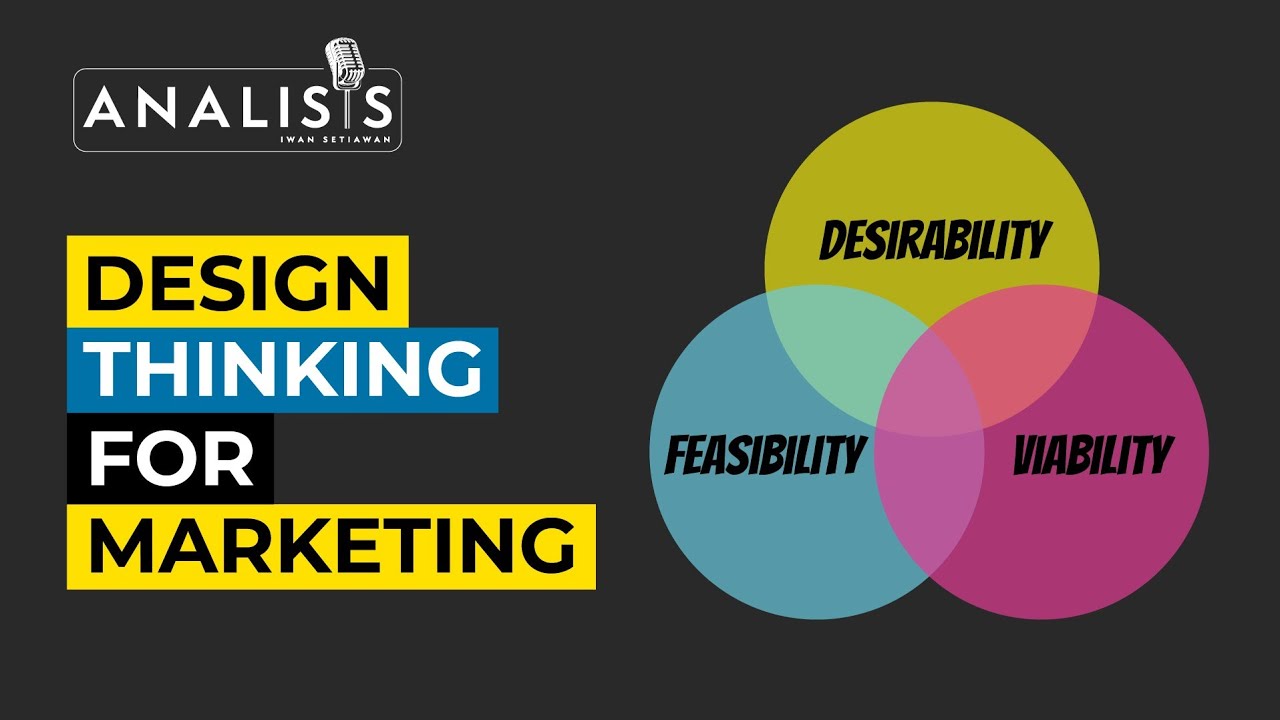
Belajar Design Thinking dan Penerapan di Marketing - ANALISIS #49

Creating Teachable Moments with Rodger Bybee

Pembelajaran STEAM Sains, Teknologi, Engineering, Art, Matematika
5.0 / 5 (0 votes)

