Rupiah Tembus 17.650? Strategi Survival Agar Uang Lu Aman
Summary
TLDRThe video explores the history and patterns of the Indonesian rupiah's devaluation, tracing its journey from the post-independence 'ORI' currency through hyperinflation, redenominations, and crises up to the present day. It highlights how currency depreciation, capital outflows, and global events affect ordinary citizens, emphasizing the importance of understanding historical financial patterns. The speaker advises young Indonesians to avoid hoarding cash, instead investing in assets like gold, property, or Bitcoin, which retain value over time. By studying history and market dynamics, viewers are encouraged to make informed investment decisions to preserve wealth and navigate economic volatility.
Takeaways
- 💹 The Indonesian Rupiah has experienced repeated devaluations since independence, with patterns that often repeat under similar economic pressures.
- 📉 Major factors causing currency crises include a strong US dollar, fiscal deficits, high foreign debt, low foreign reserves, and rising food prices.
- 🏭 Industries reliant on imported raw materials, like pharmaceuticals, textiles, and automotive, are most vulnerable during Rupiah depreciation.
- 👨👩👧👦 Currency devaluation directly impacts ordinary citizens through reduced purchasing power and waves of layoffs.
- 📜 History offers valuable lessons: although events don’t repeat exactly, similar economic patterns ('history rhymes') can guide future predictions.
- 🏠 Property has historically been used by older generations to protect wealth, but this can limit access for younger people, causing stagnant housing markets.
- 💰 Simply saving cash leads to wealth erosion due to inflation and devaluation; investing in assets that preserve value is crucial.
- 🥇 Gold is a stable long-term store of value because it cannot be printed and has maintained worth over thousands of years.
- ₿ Bitcoin is considered by the speaker as a digital asset similar to gold, with limited supply, high historical returns, and use as a hedge against inflation.
- 📈 Learning from past financial crises allows informed investment decisions, enabling younger generations to protect and grow wealth strategically.
- 🌍 Global events such as oil price fluctuations, international wars, and foreign economic policies significantly influence Indonesia's currency and market stability.
- 🧠 Financial literacy and openness to new investment tools are essential to safeguard personal and family wealth in volatile economic conditions.
Q & A
What were the main factors that caused the Indonesian Rupiah to weaken historically?
-The main factors included foreign exchange fluctuations, high government deficit, increasing foreign debt, low foreign reserves, inflation, and global economic events like oil price shocks and geopolitical tensions.
What is the significance of the 'Gunting Syarifuddin' era in Indonesia's monetary history?
-During the 'Gunting Syarifuddin' era (1950), the government physically cut banknotes to address hyperinflation, resulting in the public losing significant purchasing power and highlighting early challenges in Indonesia's monetary system.
How did the 1997–1998 Asian financial crisis affect Indonesia?
-The crisis caused the Rupiah to plummet from 2,380 to 16,800 per USD, leading to mass corporate bankruptcies, widespread layoffs, capital outflows, and a loss of public trust in banks and the financial system.
Why does the speaker argue that saving in cash is a poor strategy?
-Cash loses value over time due to inflation and devaluation; for example, the Rupiah has lost approximately 99.9978% of its value since 1949. Investing in assets like gold or Bitcoin preserves wealth better.
What are the two primary investment alternatives suggested in the script?
-The speaker recommends gold and Bitcoin as assets that maintain value over time, have low volatility (gold), or a capped supply (Bitcoin), protecting against currency devaluation.
How does historical pattern recognition help in predicting economic trends?
-By studying past events, such as devaluations and crises, one can identify recurring patterns in currency behavior, inflation, and economic shocks, which helps anticipate potential future crises.
What impact did global events like oil prices and US Federal Reserve policies have on Indonesia?
-Oil price fluctuations affected government revenue and the Rupiah’s exchange rate. Policies like Fed tapering and interest rate decisions influenced capital flows and foreign investment in Indonesia.
Why is Bitcoin compared to gold in the video?
-Bitcoin, like gold, has a limited supply and cannot be arbitrarily printed, making it a store of value that protects wealth from inflation and currency devaluation.
How did pandemic-related interventions affect the Indonesian economy in 2020?
-During COVID-19, the government injected trillions of Rupiah as stimulus, the Rupiah weakened to a record low of around 16,000 per USD, and investors pulled capital out, but the stimulus also created opportunities in undervalued assets.
What lesson does the speaker emphasize for younger generations regarding wealth preservation?
-Young people should focus on investing in assets that retain value and grow over time rather than merely saving cash. This approach safeguards wealth against inflation and economic uncertainty.
How did property investments behave in Indonesia post-2013?
-Property prices stagnated due to older generations holding valuable real estate as an investment, preventing young buyers from entering the market and creating a frozen property market.
What is the pattern of Rupiah devaluations from 1946 to the late 20th century?
-The Rupiah experienced repeated devaluations: 1946 (29%), 1950 (Gunting Syarifuddin), 1959 (major redenomination), 1971, 1978, 1983, 1986, and 1997–1998 during the Asian financial crisis, showing cyclical vulnerability influenced by global and domestic economic conditions.
Outlines

Cette section est réservée aux utilisateurs payants. Améliorez votre compte pour accéder à cette section.
Améliorer maintenantMindmap

Cette section est réservée aux utilisateurs payants. Améliorez votre compte pour accéder à cette section.
Améliorer maintenantKeywords

Cette section est réservée aux utilisateurs payants. Améliorez votre compte pour accéder à cette section.
Améliorer maintenantHighlights

Cette section est réservée aux utilisateurs payants. Améliorez votre compte pour accéder à cette section.
Améliorer maintenantTranscripts

Cette section est réservée aux utilisateurs payants. Améliorez votre compte pour accéder à cette section.
Améliorer maintenantVoir Plus de Vidéos Connexes
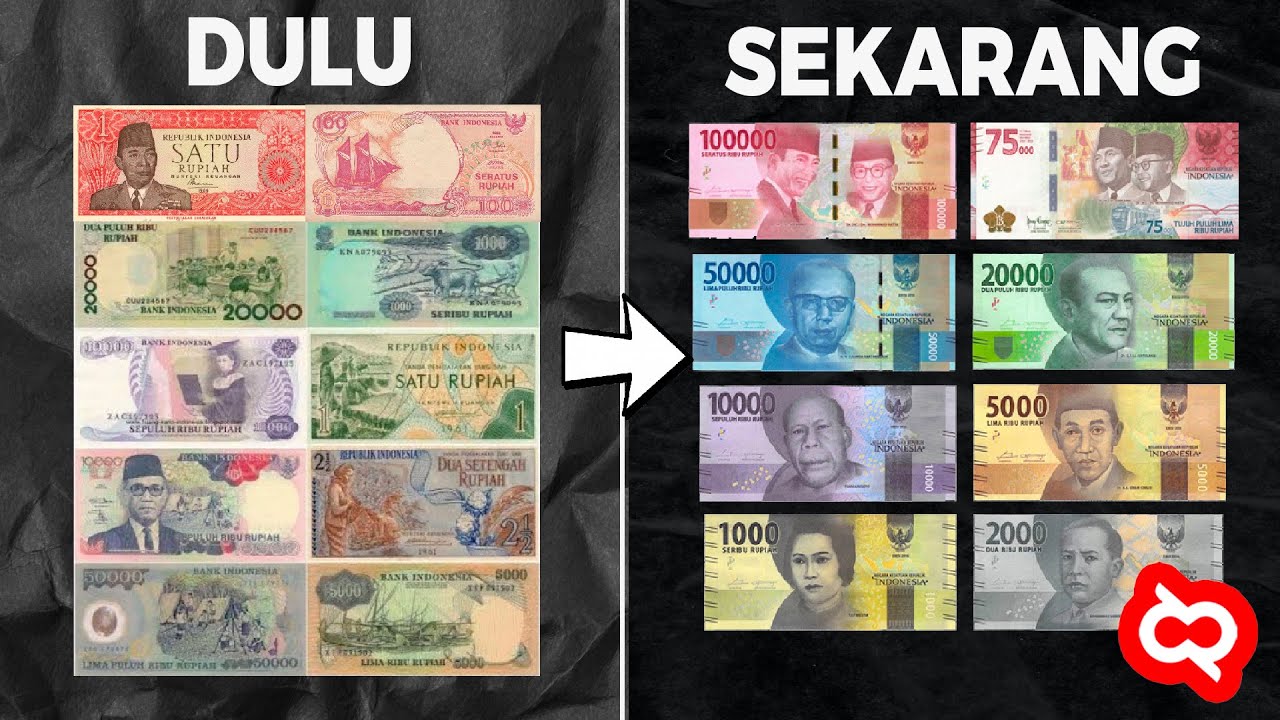
Perkembangan Mata Uang Rupiah Dari Masa Kemasa, Sejarah Perjalanan Uang Indonesia Dari 1945 - 2022

BAB 4: Pembangunan Perekonomian Indonesia (Part 1)

Eduscovery : Sejarah (Kondisi Ekonomi Indonesia Pada Masa Awal Kemerdekaan)

IPS class 8 Chapter 4 Economic life during the independence period IPS summary

Sejarah Mata Uang: Kenapa Indonesia Membuat Rupiah?

Rupiah dari Masa ke Masa Sejarah Rupiah
5.0 / 5 (0 votes)

