KIMIA HIJAU . Kimia SMA Kelas X kurikulum merdeka
Summary
TLDRThis educational video, presented by Bapak Bambang Aceh, introduces the concept of green chemistry in the context of sustainable development for high school students. It explains that green chemistry aims to minimize the use and production of hazardous chemicals, develop environmentally friendly processes, and support ecological preservation. The video illustrates key chemical reactions, including photosynthesis, complete and incomplete combustion, rusting of iron, baking of bread, and fermentation, highlighting their environmental and practical significance. Viewers learn how these reactions impact human health, energy use, and the environment, emphasizing the importance of eco-conscious chemical practices for a sustainable future.
Takeaways
- 🌱 Green chemistry is an approach to reduce environmental problems by designing safer chemicals, processes, and products that support sustainable development.
- ♻️ The goals of green chemistry include minimizing the use and production of hazardous chemicals and developing environmentally friendly processes and products.
- ⚠️ Chemical hazards addressed by green chemistry include threats to human health, toxicity, physical hazards, climate change, and depletion of natural resources.
- ☀️ Photosynthesis is a green chemistry process where plants use sunlight, water, and CO2 to produce glucose and oxygen, reducing CO2 in the air and mitigating global warming.
- 🔥 Complete combustion of organic compounds produces CO2, water, and heat, which can be used as energy and supports the photosynthesis cycle.
- 🌫️ Incomplete combustion occurs when oxygen is limited, producing CO2, carbon (soot), and potentially harmful effects like air pollution and reduced oxygen transport in blood.
- 🛠️ Rusting of iron is an oxidation reaction with oxygen and water that produces Fe2O3·xH2O, weakening the metal over time.
- 🍞 Baking bread involves decomposition of sodium bicarbonate into CO2, water, and other compounds, creating gas bubbles that make the bread rise.
- 🍶 Fermentation transforms glucose into ethanol and CO2 using microorganisms under anaerobic conditions, as seen in traditional food products like tape.
- 🔬 Indicators of chemical reactions include gas formation, solid formation, color changes, and heat production, as demonstrated in examples like rusting, combustion, and baking.
Q & A
What is green chemistry and what are its main goals?
-Green chemistry is an approach to reduce environmental problems caused by chemicals, their production, and reactions. Its main goals are to minimize the use and creation of hazardous chemicals, develop environmentally friendly processes and products, and support sustainable development.
Which environmental and health hazards does green chemistry aim to address?
-Green chemistry targets threats to human health and the environment, chemical toxicity, physical hazards, climate change, and depletion of natural resources.
What is the chemical equation for photosynthesis, and why is it important for green chemistry?
-Photosynthesis can be represented as CO₂ + H₂O → C₆H₁₂O₆ + O₂ (with sunlight and chlorophyll). It is important because it reduces CO₂ in the atmosphere, produces oxygen for respiration, and generates glucose as an energy source.
What is the difference between complete and incomplete combustion?
-Complete combustion occurs when a sufficient amount of oxygen reacts with an organic compound, producing CO₂, H₂O, and energy. Incomplete combustion occurs when oxygen is limited, producing CO, carbon (soot), H₂O, and less energy, which can cause air pollution.
How does incomplete combustion affect human health?
-Incomplete combustion produces carbon monoxide (CO) and soot, which can reduce the oxygen-carrying capacity of hemoglobin in blood, leading to oxygen deficiency in humans.
Explain the chemical reaction that causes rusting of iron.
-Rusting occurs when iron reacts with oxygen and water: Fe + O₂ + H₂O → Fe₂O₃·xH₂O. This produces a reddish-brown layer of rust that weakens the metal over time.
What happens chemically when baking soda is used in baking bread?
-When heated, baking soda (NaHCO₃) decomposes: 2 NaHCO₃ → Na₂CO₃ + CO₂ + H₂O. The CO₂ gas forms bubbles in the dough, making the bread soft and fluffy.
How does fermentation convert glucose into alcohol and carbon dioxide?
-During anaerobic fermentation, glucose (C₆H₁₂O₆) is broken down by yeast or microorganisms into ethanol (C₂H₅OH) and carbon dioxide (CO₂) without oxygen, such as in the production of tape from rice or cassava.
What are the common indicators that a chemical reaction has occurred?
-Indicators of a chemical reaction include the formation of gas (bubbles), formation of a solid (precipitate), change in temperature (exothermic or endothermic), and change in color.
Why is photosynthesis considered a green chemistry reaction?
-Photosynthesis is considered green chemistry because it naturally reduces CO₂ in the atmosphere, produces oxygen, and creates glucose without harmful byproducts, supporting environmental sustainability.
What role does oxygen availability play in combustion reactions?
-Oxygen availability determines the completeness of combustion. Adequate oxygen leads to complete combustion producing CO₂, H₂O, and energy, while limited oxygen causes incomplete combustion producing CO, soot, and less energy.
How does rusting illustrate the environmental impact on materials?
-Rusting demonstrates how exposure to oxygen and water in the environment chemically alters iron, weakening its structure over time, which highlights the importance of protective measures to prevent material degradation.
Outlines

Cette section est réservée aux utilisateurs payants. Améliorez votre compte pour accéder à cette section.
Améliorer maintenantMindmap

Cette section est réservée aux utilisateurs payants. Améliorez votre compte pour accéder à cette section.
Améliorer maintenantKeywords

Cette section est réservée aux utilisateurs payants. Améliorez votre compte pour accéder à cette section.
Améliorer maintenantHighlights

Cette section est réservée aux utilisateurs payants. Améliorez votre compte pour accéder à cette section.
Améliorer maintenantTranscripts

Cette section est réservée aux utilisateurs payants. Améliorez votre compte pour accéder à cette section.
Améliorer maintenantVoir Plus de Vidéos Connexes

🔴KIMIA HIJAU (GREEN CHEMISTRY) DALAM PEMBANGUNAN BERKELANJUTAN 2030 BAGIAN-1 KIMIA KLS X (FASE-E)

Profil Kepala Sekolah Berprestasi | SMAN 3 Kejuruan Muda
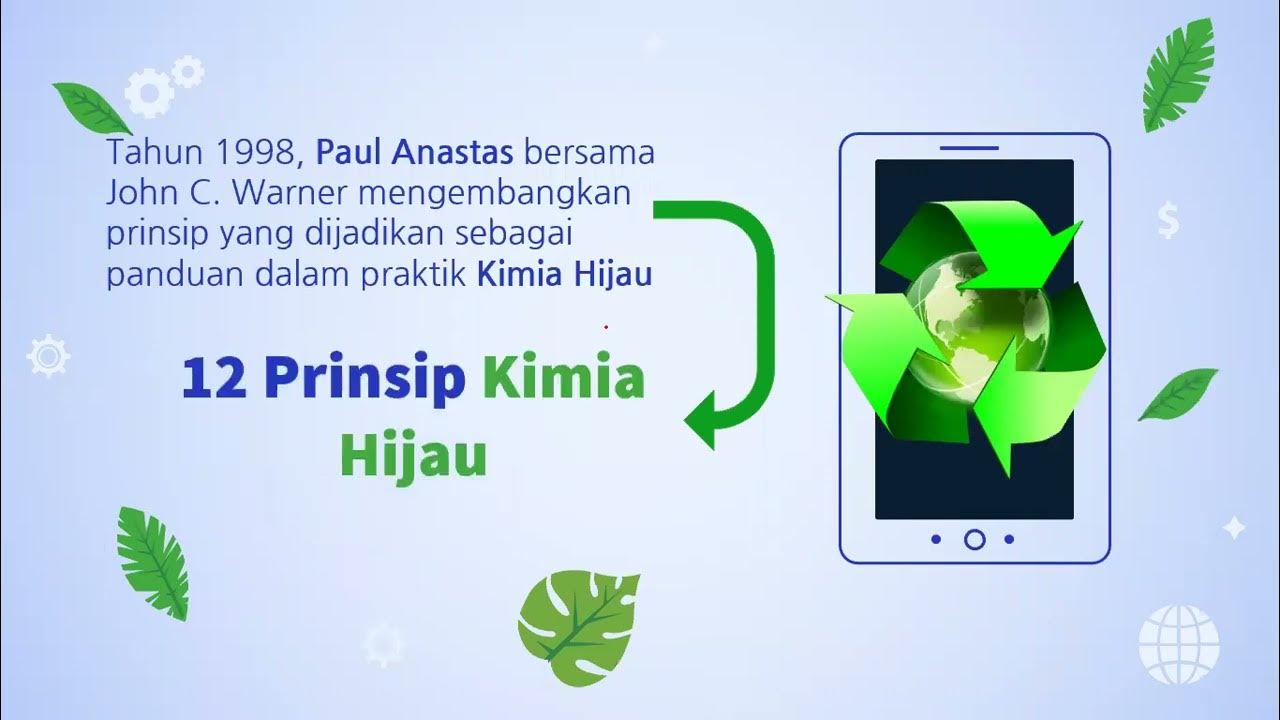
KIMIA HIJAU : 12 Prinsip Kimia Hijau dan Penerapannya
Green Chemistry I Kimia Hijau I Definisi, Manfaat dan Perbedaan dengan Environmental chemistry dll
Persamaa Reaksi Kimia - IPA ( Kimia ) SMA Kelas X / Fase E - Kurikulum merdeka
Struktur Atom • Part 1: Perkembangan Model Atom
5.0 / 5 (0 votes)

