Teknik Pembuatan preparat histologi (Histoteknik)
Summary
TLDRThis video explains histotechnology, the technique used to prepare tissue samples from animals or humans for microscopic study. It outlines its purposes, such as examining cell morphology and detecting biological components like enzymes and hormones. The script details each step of the process, including fixation, sampling, dehydration, clearing, embedding in paraffin, sectioning, staining, and imaging. It describes both direct and perfusion sampling methods using laboratory mice, along with preparation of fixative solutions. The workflow continues through tissue processing, hematoxylin-eosin staining, and concludes with capturing microphotographs, providing a complete overview of laboratory procedures in histological analysis.
Takeaways
- 😀 Histotechnique involves the preparation of tissue samples for the study of histology in both animals and humans.
- 😀 The purpose of histotechnique includes studying cell morphology and detecting active components within cells, such as enzymes, hormones, and carbohydrates.
- 😀 Key steps in histotechnique include preparation of fixative solutions, tissue sampling, fixation, dehydration, clearing, embedding, sectioning, staining, and microphotography.
- 😀 Fixatives are used to preserve tissue samples, and common fixatives include Bouin's solution and paraformaldehyde.
- 😀 Tissue samples can be collected directly from the body or through perfusion, with rats commonly used as test subjects.
- 😀 After anesthesia, the rat is either directly dissected for tissue or undergoes perfusion where blood is replaced with fixative.
- 😀 Fixation times vary, with Bouin's solution requiring 24 hours and paraformaldehyde requiring about one week.
- 😀 Dehydration involves removing water from tissues through gradual immersion in increasing concentrations of alcohol, followed by immersion in absolute alcohol.
- 😀 Clearing is the process of replacing alcohol with a clearing agent like xylene, and tissues are then embedded in paraffin for further processing.
- 😀 Sectioning involves cutting thin tissue slices using a microtome, followed by staining with hematoxylin and eosin (H&E) to visualize tissue structures.
- 😀 The final product of histotechnique is a microscope slide with stained tissue sections, which is documented through microphotography for analysis and presentation.
Q & A
What is histotechnology, and what is its main purpose?
-Histotechnology is a technique for preparing tissue specimens from animals or humans for microscopic examination. Its main purpose is to study the morphology of cells and tissues and to detect active components within cells, such as enzymes, hormones, and carbohydrates.
What are the two main types of fixative solutions used in histotechnology?
-The two main types of fixatives are Bouin's solution and paraformaldehyde. Bouin's solution is prepared just before use by mixing saturated picric acid, formalin, and glacial acetic acid, while paraformaldehyde is made by dissolving 4% paraformaldehyde in physiological saline and heating it with stirring.
What are the two methods for sampling organs in histotechnology?
-Organs can be sampled using either the direct method or the perfusion method. Both methods require the use of anesthetized animals, typically rats.
How is the perfusion method carried out for organ sampling?
-In the perfusion method, after anesthetizing the rat, blood is removed via intracardiac puncture. Then, physiological saline is pumped into the left ventricle while the right atrium is cut to allow blood to exit. Finally, fixative solution is perfused to preserve the tissues.
What is the purpose of the dehydration process in histotechnology?
-Dehydration removes water from tissue samples to prepare them for embedding in paraffin. It is done by passing the tissues through a series of increasing alcohol concentrations, from 70% up to absolute alcohol.
What does the embedding (or paraffin infiltration) process involve?
-Embedding involves infiltrating tissue samples with molten paraffin to support them for sectioning. The tissues are placed in several baths of liquid paraffin, then positioned in molds and cooled to solidify the paraffin.
How are tissue sections cut and mounted onto slides?
-Tissue blocks are mounted on a microtome and cut into thin sections, typically 4 micrometers thick. Sections are floated on cold water, picked up on glass slides, dried, and then stored in an oven at 37°C until staining.
What steps are involved in hematoxylin and eosin (H&E) staining?
-H&E staining includes deparaffinization, rehydration through decreasing alcohol concentrations, staining with hematoxylin, washing, staining with eosin, dehydration with increasing alcohol concentrations, clearing with a clearing agent, and finally mounting with cover glass.
What is the significance of the stopping point using 70% alcohol?
-The stopping point, where tissues are stored in 70% alcohol, allows long-term preservation of the samples before further processing, such as dehydration, embedding, or staining.
How is the final histological result documented?
-The final result is documented using photomicrography. Tissue slides are photographed under a microscope, either at low or high magnification, depending on the purpose of the analysis.
Outlines

Cette section est réservée aux utilisateurs payants. Améliorez votre compte pour accéder à cette section.
Améliorer maintenantMindmap

Cette section est réservée aux utilisateurs payants. Améliorez votre compte pour accéder à cette section.
Améliorer maintenantKeywords

Cette section est réservée aux utilisateurs payants. Améliorez votre compte pour accéder à cette section.
Améliorer maintenantHighlights

Cette section est réservée aux utilisateurs payants. Améliorez votre compte pour accéder à cette section.
Améliorer maintenantTranscripts

Cette section est réservée aux utilisateurs payants. Améliorez votre compte pour accéder à cette section.
Améliorer maintenantVoir Plus de Vidéos Connexes

Hematoxylin & Eosin Staining Procedure, Principle with Video Lecture
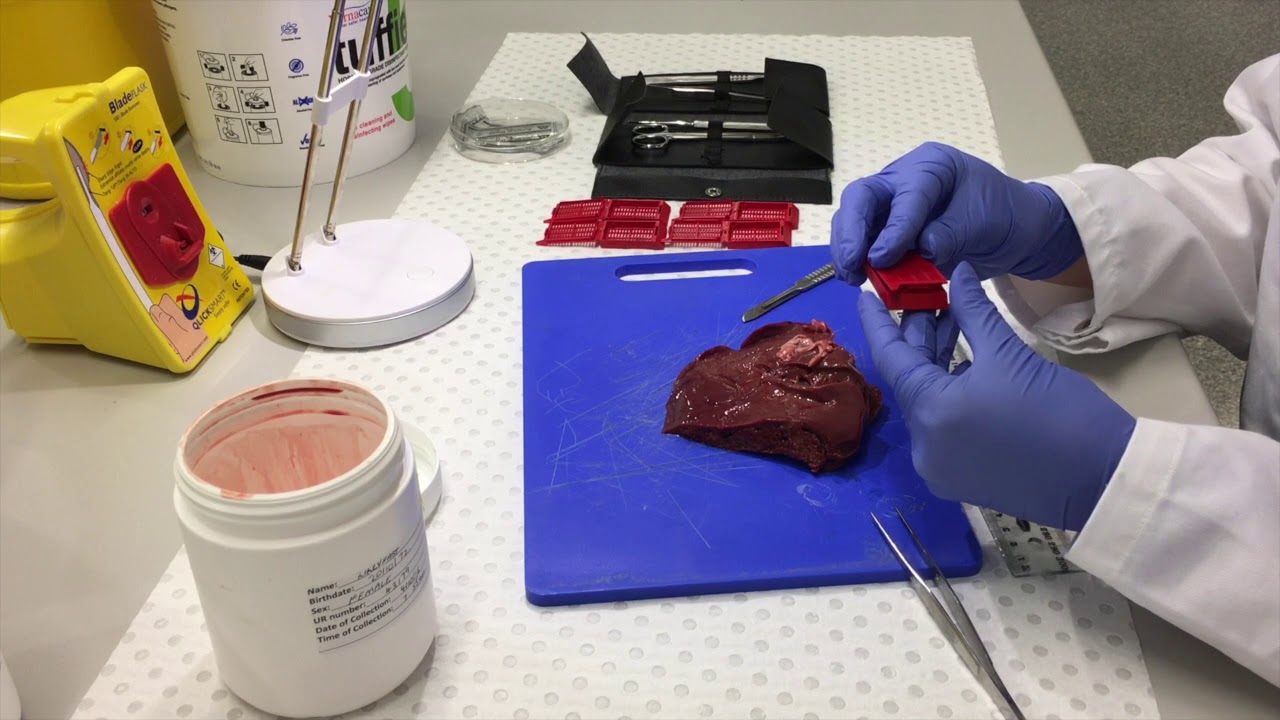
Histology Techniques and Equipment

Aspirasi Jarum Halus (AJH)/ Fine Needle Aspiration Biopsy (FNAB)

In-situ hybridization: Technique to detect mRNA localization || application of situ hybridization
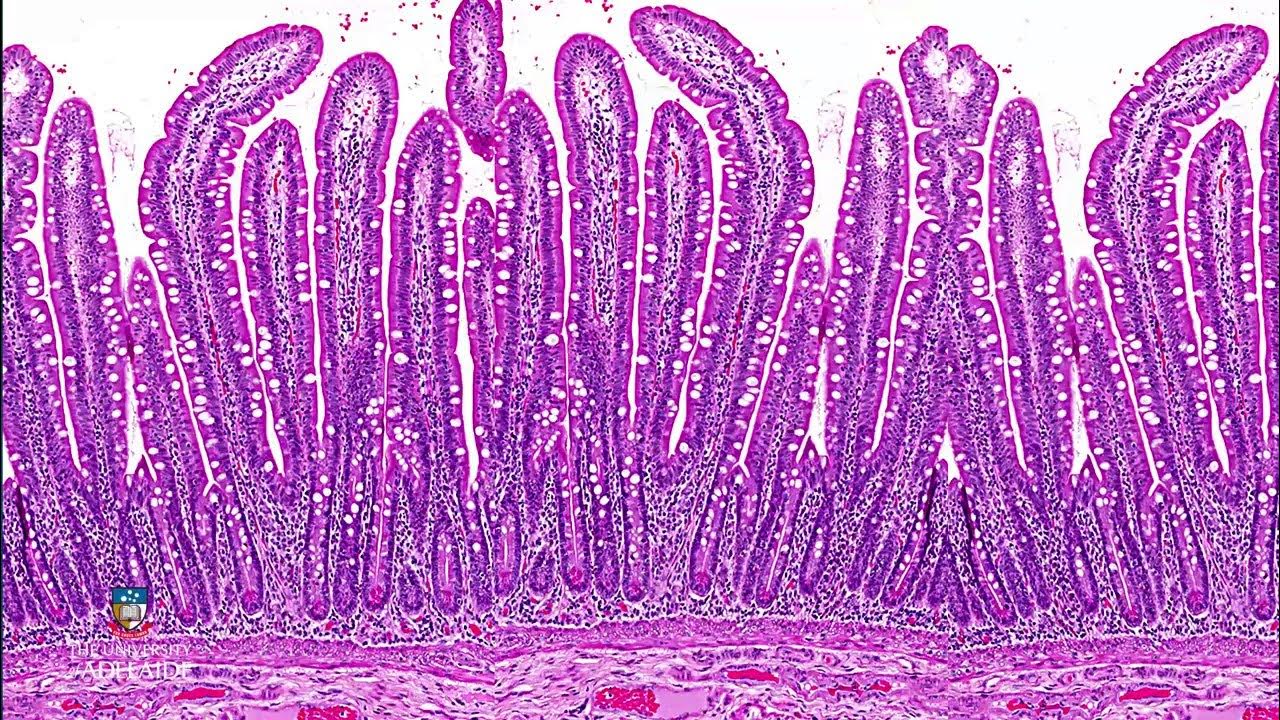
From Biopsy to Microscopy - Tissue processing for light microscopy
TLC-The Basics | MIT Digital Lab Techniques Manual
5.0 / 5 (0 votes)

