PERGERAKAN KEBANGSAAN MENUJU KEMERDEKAAN | IPS SMP KELAS 8
Summary
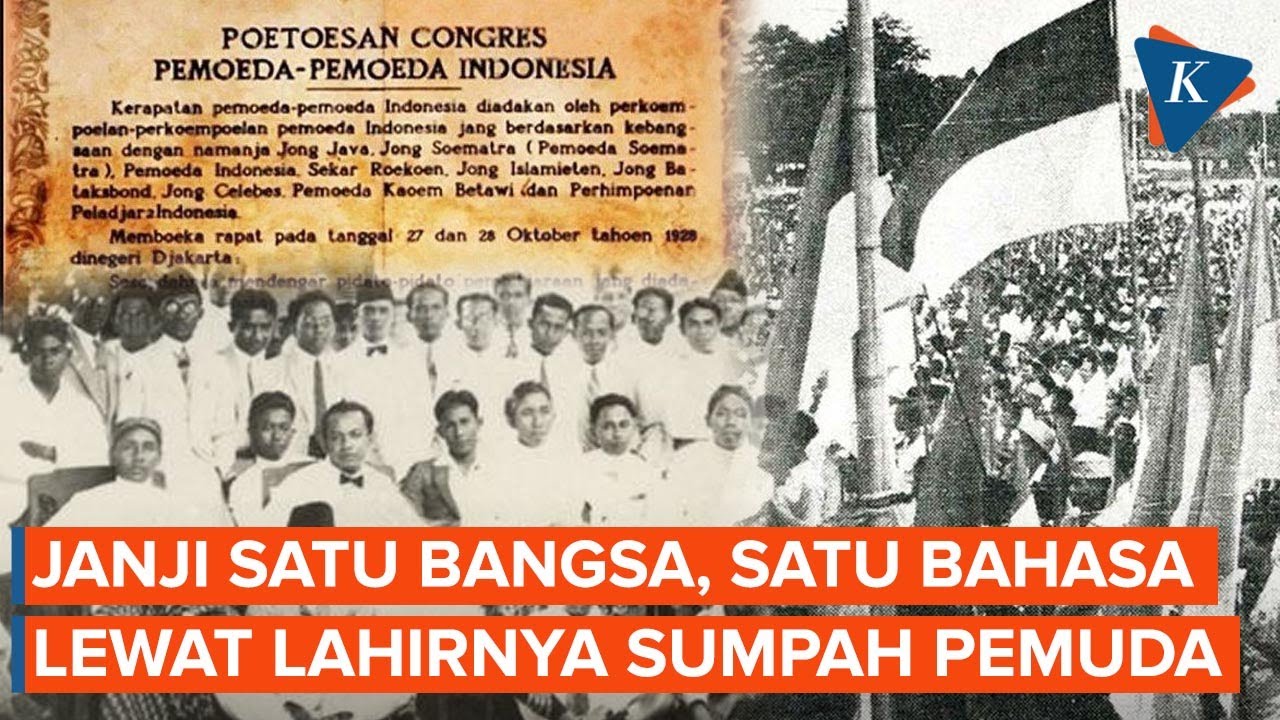
TLDRThe video highlights the significance of the Sumpah Pemuda (Youth Pledge) on October 28, 1928, when young Indonesians from various regions united to declare their commitment to one nation, one homeland, and one language. This event marked the beginning of the national movement for independence. The video also explores the factors that led to the rise of nationalism in Indonesia, including the impact of the Ethical Policy, the growth of nationalist organizations like Budi Utomo and Syarikat Islam, and the resistance against colonial powers. It also examines Indonesia's struggle during the Japanese occupation and the eventual path to independence.
Takeaways
- 📅 The Youth PledgeScript Analysis Output (Sumpah Pemuda) was declared on October 28, 1928, marking a key moment in Indonesian unity and nationalism.
- 🤝 The pledge consisted of three promises: one homeland (Indonesia), one nation (Indonesia), and one language (Indonesian).
- 🌏 The Youth Congress was driven by the desire to unite against colonial rule, recognizing that regional divisions weakened previous efforts.
- 🏛️ The rise of national movements was influenced by internal factors such as ethical politics, education access, and shared suffering under colonial rule.
- 🌐 External factors included the spread of new political ideas (democracy, nationalism, liberalism, communism) and inspiration from successful independence movements in Asia and Africa.
- 🎓 The Dutch Ethical Policy (Politik Etis) provided education, irrigation, and population relocation, producing an educated class that fueled nationalist organizations.
- 🏫 Key nationalist organizations included Budi Utomo, Sarekat Islam, Indische Partij, Perhimpunan Indonesia, and the Indonesian National Party (PNI), each contributing to unity and independence efforts.
- ⚔️ During Japanese occupation, Indonesians engaged in nationalist efforts through official organizations, underground movements, and armed resistance againstYouth Pledge Summary oppressive policies.
- 🕊️ Nationalist leaders like Sukarno, Hatta, Ki Hajar Dewantara, and others used both public and covert strategies to build awareness and prepare for independence.
- 🇮🇩 The overall historical significance of the Youth Pledge and nationalist movements lies in fostering unity, national identity, and a coordinated struggle for Indonesia's independence.
Q & A
What was the significance of the Youth Pledge (Sumpah Pemuda) on October 28, 1928?
-The Youth Pledge was a turning point in Indonesia's struggle for independence. On October 28, 1928, Indonesian youth from various regions gathered at the First Youth Congress and declared three important pledges: to recognize Indonesia as one homeland, one nation, and to uphold the Indonesian language as the language of unity. This event symbolized national unity and marked the beginning of a national movement against colonialism.
Why was the Youth Pledge important in Indonesia's history?
-The Youth Pledge was crucial because it united the youth of Indonesia under a common identity, transcending regional and ethnic differences. It strengthened the nationalistic spirit and set the foundation for a unified struggle towards independence, helping to turn local struggles into a national movement.
What were the main factors behind the rise of the national movement in Indonesia?
-The national movement was influenced by both internal and external factors. Internally, it was driven by the emergence of the ethical policy (politics etis) which increased access to education, the failure of previous regional struggles, and a growing sense of shared suffering under colonial rule. Externally, the spread of new ideas like nationalism and democracy, as well as the rise of independence movements in other countries, also played a role.
What was the ethical policy (politics etis), and how did it contribute to the national movement?
-The ethical policy was a policy implemented by the Dutch in 1901, which aimed to improve the welfare of the Indonesian people. It focused on irrigation for agriculture, migration for population distribution, and education to increase the quality of the workforce. This policy led to the creation of a new educated class that later became instrumental in the national independence movement.
What role did the Budi Utomo organization play in Indonesia's national movement?
-Budi Utomo, founded in 1908, was the first significant organization in the national movement. It focused on advancing education, culture, and the welfare of the Indonesian people. The organization is considered the pioneer of the national awakening, and its founding date, May 20, is celebrated as National Awakening Day.
How did the Syarekat Islam contribute to Indonesia's independence movement?
-Syarekat Islam, founded in 1912, played a vital role in defending the rights of native Indonesian traders and promoting unity against colonial rule. It aimed to protect the economic interests of indigenous people and fostered nationalist sentiments to resist foreign domination.
What was the role of the Partai Nasional Indonesia (PNI) in the fight for independence?
-The Partai Nasional Indonesia (PNI), established in 1927 by Sukarno and other leaders, was a political organization that aimed to achieve Indonesia's independence through political struggle and unity. PNI advocated for the independence of Indonesia and worked to mobilize the masses towards this goal.
How did Japan’s occupation of Indonesia affect the national struggle for independence?
-During Japan's occupation, Indonesia saw both collaboration and resistance. Organizations created by the Japanese, such as Putera and Barisan Pelopor, were used by leaders like Sukarno and Hatta to spread nationalist ideas. At the same time, underground movements and armed resistance against Japanese rule continued, which ultimately contributed to Indonesia's path to independence.
What were some forms of resistance against Japanese rule during their occupation of Indonesia?
-Resistance against Japanese occupation took many forms, including the use of organizations like Putera and Barisan Pelopor to foster nationalist sentiment. There were also underground movements, with leaders like Sultan Syahrir and Ahmad Subarjo secretly preparing for Indonesia’s independence. Armed resistance, such as the Aceh rebellion and the PETA (Defenders of the Homeland) in Blitar, also played a role.
What was the impact of the Youth Pledge on Indonesia’s national identity?
-The Youth Pledge significantly impacted Indonesia's national identity by uniting youth from diverse ethnic and regional backgrounds. It instilled a sense of shared destiny and common purpose, strengthening the idea of a united Indonesia. This unity played a pivotal role in the country’s eventual independence and in shaping the national identity that persists today.
Outlines

Cette section est réservée aux utilisateurs payants. Améliorez votre compte pour accéder à cette section.
Améliorer maintenantMindmap

Cette section est réservée aux utilisateurs payants. Améliorez votre compte pour accéder à cette section.
Améliorer maintenantKeywords

Cette section est réservée aux utilisateurs payants. Améliorez votre compte pour accéder à cette section.
Améliorer maintenantHighlights

Cette section est réservée aux utilisateurs payants. Améliorez votre compte pour accéder à cette section.
Améliorer maintenantTranscripts

Cette section est réservée aux utilisateurs payants. Améliorez votre compte pour accéder à cette section.
Améliorer maintenantVoir Plus de Vidéos Connexes

Rangkuman Materi PPKN Kelas 8 K13 BAB 5, Sumpah Pemuda Dalam Bingkai Bhinneka Tunggal Ika (Bagian 1)
Sejarah Sumpah Pemuda 28 Oktober

28 Oktober - Lahirnya Pancasila | Peristiwa Sumpah Pemuda | IPS | SayaBisa

SEJARAH SINGKAT DAN TOKOH-TOKOH DI BALIK LAHIRNYA SUMPAH PEMUDA

Sumpah Pemuda 1928 : Ikrar Satu Bangsa, Satu Tanah Air, Satu Bahasa yang Mengguncang Nusantara

Makna Dalam Isi Sumpah Pemuda Dan Nilai-Nilai Yang Terkandung Dalam Sumpah Pemuda Serta Penerapannya
5.0 / 5 (0 votes)

