Iran Just Activated The Great Reset
Summary
TLDRThe video explores the implications of Iran's decision to charge tolls for ships passing through the Strait of Hormuz, which controls a significant portion of global oil and gas flow. Iran is demanding payment in Bitcoin, potentially shifting global financial dynamics. The video delves into the historical context of the petro-dollar system, the growing role of Bitcoin in circumventing US sanctions, and the future of global financial systems. It raises important questions about the power of digital currencies and the geopolitical ramifications of using them as alternatives to traditional monetary systems.
Takeaways
- 😀 Iran has blocked the Strait of Hormuz, a critical route for 20% of global oil and gas, as well as essential materials like helium and fertilizers for semiconductor production.
- 😀 The US and Iran agreed to a ceasefire, but Iran now demands tolls from vessels passing through the Strait of Hormuz, charging $1 per barrel of oil, and payment must be made in Bitcoin.
- 😀 The tolls could generate up to $7.3 billion per year for Iran if oil flow returns to pre-conflict levels, with each ship carrying around 2 million barrels.
- 😀 Iran is reportedly using Bitcoin as the preferred method of payment for tolls, though the exact cryptocurrency is not specified, leaving room for alternatives like Tether or Ripple.
- 😀 Bitcoin's appeal for Iran lies in its ability to bypass US sanctions, making it a non-sanctionable and permissionless monetary system that can facilitate global trade despite restrictions.
- 😀 The US dollar's role in global oil trade has been dominant due to the petro-dollar system, where oil-producing countries like Saudi Arabia sell oil in USD and reinvest it in US assets.
- 😀 The collapse of security guarantees from the US has weakened the incentive for oil-producing nations to continue using the US dollar, making Bitcoin a potential alternative reserve asset.
- 😀 The US has used financial sanctions as a weapon against Iran by blocking access to the US banking system and the SWIFT network, severely impacting Iran's ability to sell oil and conduct global trade.
- 😀 Bitcoin offers a way for Iran to circumvent these sanctions, as its decentralized nature prevents any central authority from blocking transactions, allowing Iran to mine and accept Bitcoin for cross-border transactions.
- 😀 The potential for Bitcoin to disrupt the global financial system raises concerns about how the US or other nations could respond, possibly by developing systems to track and block cryptocurrency transactions using telecommunications providers.
- 😀 The discussion explores the broader implications of digital currencies and cross-border CBDCs (Central Bank Digital Currencies), suggesting that new technologies could be used to enforce sanctions and control global trade, including internet-level sanctions.
Q & A
Why is the Strait of Hormuz geopolitically significant?
-The Strait of Hormuz is a critical chokepoint through which approximately 20% of the world's oil and gas flows, as well as essential materials like fertilizers and helium used for semiconductor production. Its closure can have severe global economic and energy supply implications.
What toll has Iran proposed for ships passing through the Strait of Hormuz?
-Iran has proposed charging a toll of $1 per barrel of oil, with the payment potentially required in cryptocurrency. For a vessel carrying around 2 million barrels, this could amount to $2 million per ship.
Why is the use of Bitcoin or other cryptocurrencies significant in this context?
-Cryptocurrencies like Bitcoin are permissionless and non-sanctionable, allowing countries like Iran to bypass US-imposed sanctions and engage in cross-border transactions without interference from central authorities.
How have US sanctions historically impacted Iran's economy?
-US sanctions have restricted Iran's access to the global banking system and US dollars, limited oil exports, and forced Iran to rely on barter deals or alternative currencies like the yuan or ruble. This contributed to the Iranian rial collapsing and domestic unrest.
What is the petro-dollar system and why does it matter?
-The petro-dollar system is where oil-producing countries sell oil in US dollars and reinvest those dollars in US assets. This creates global demand for the US dollar and underpins its reserve currency status. Disruption of this system can weaken US financial influence.
What are the potential risks and limitations of using digital currencies in this geopolitical scenario?
-While cryptocurrencies are decentralized, global telecommunications infrastructure could act as choke points. Telecom providers might potentially monitor or restrict transactions, limiting the perceived 'permissionless' nature of digital currencies.
How could the adoption of Bitcoin by Iran affect the US dollar's global dominance?
-If countries bypass the US dollar using cryptocurrencies for trade, the dollar’s reserve status could weaken, reducing US leverage in global finance and sanctions enforcement.
What role do central banks and gold reserves play in this scenario?
-Central banks have been buying gold as a more stable reserve asset in response to geopolitical and economic uncertainty. This indicates a diversification away from reliance solely on the US dollar.
What are the broader technological and financial implications discussed?
-The transcript speculates about advanced financial systems, including cross-border central bank digital currencies (CBDCs) and blockchain operating systems that could enforce sanctions or control access to the internet, fundamentally changing global financial dynamics.
How does the situation illustrate the intersection of geopolitics and cryptocurrency?
-It shows that cryptocurrencies are not just financial instruments but can be strategic tools in international relations, enabling countries to circumvent sanctions, maintain trade, and assert economic autonomy in a politically charged environment.
Why might this moment be considered defining for the global financial system?
-The combination of geopolitical tension, potential cryptocurrency adoption for sanctioned transactions, and the limits of US financial control could signal a shift toward new monetary systems and challenge the existing debt-based fiat currency framework.
Outlines

Cette section est réservée aux utilisateurs payants. Améliorez votre compte pour accéder à cette section.
Améliorer maintenantMindmap

Cette section est réservée aux utilisateurs payants. Améliorez votre compte pour accéder à cette section.
Améliorer maintenantKeywords

Cette section est réservée aux utilisateurs payants. Améliorez votre compte pour accéder à cette section.
Améliorer maintenantHighlights

Cette section est réservée aux utilisateurs payants. Améliorez votre compte pour accéder à cette section.
Améliorer maintenantTranscripts

Cette section est réservée aux utilisateurs payants. Améliorez votre compte pour accéder à cette section.
Améliorer maintenantVoir Plus de Vidéos Connexes

Israel Destroyed?| Iran Massive At*ack | Netanyahu asks for US help | What is Next? | Khalid Chishti
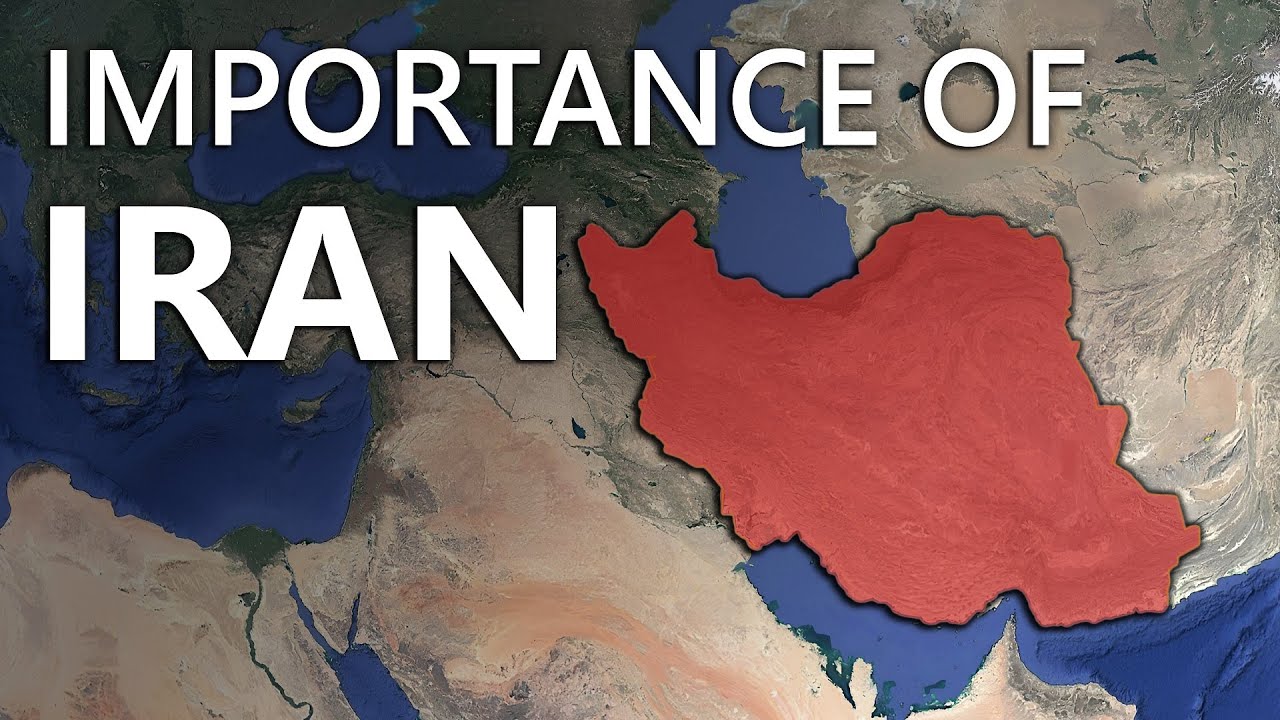
What makes Iran so important?

Oil price surges on fears of Israeli strikes against Iran | BBC News

Oman : stratégique et discret | L'essentiel du Dessous des Cartes | ARTE

Why the US and Iran are fighting over this tiny waterway

Estreito de Ormuz | Qual a sua importância para o Brasil e para o Mundo?
5.0 / 5 (0 votes)

