PRAKTEK MPS : BODY ALIGNMENT
Summary
TLDRIn this video, the presenter demonstrates various body alignment techniques crucial for patient care in nursing, focusing on helping patients sit, stand, and assume positions like Semifowler, Lithotomy, Sims, and Lateral. The goal is to ensure patient comfort, safety, and ease of procedures such as eating, examination, and post-surgery care. The presenter emphasizes the importance of explaining procedures, obtaining patient consent, and washing hands before and after each step. Through this practice, the video highlights essential practices for nursing students and professionals in patient management and safety.
Takeaways
- 😀 Body alignment refers to the geometric arrangement of body parts and their relationship to each other, crucial in nursing care.
- 😀 Proper body alignment helps patients sit and stand safely, reducing the risk of falls.
- 😀 Nurses must always explain procedures to patients and obtain their consent before beginning any intervention.
- 😀 Hand hygiene is mandatory: nurses should wash hands before and after every procedure.
- 😀 The Semifowler position helps patients with breathing difficulties feel comfortable and facilitates care such as feeding.
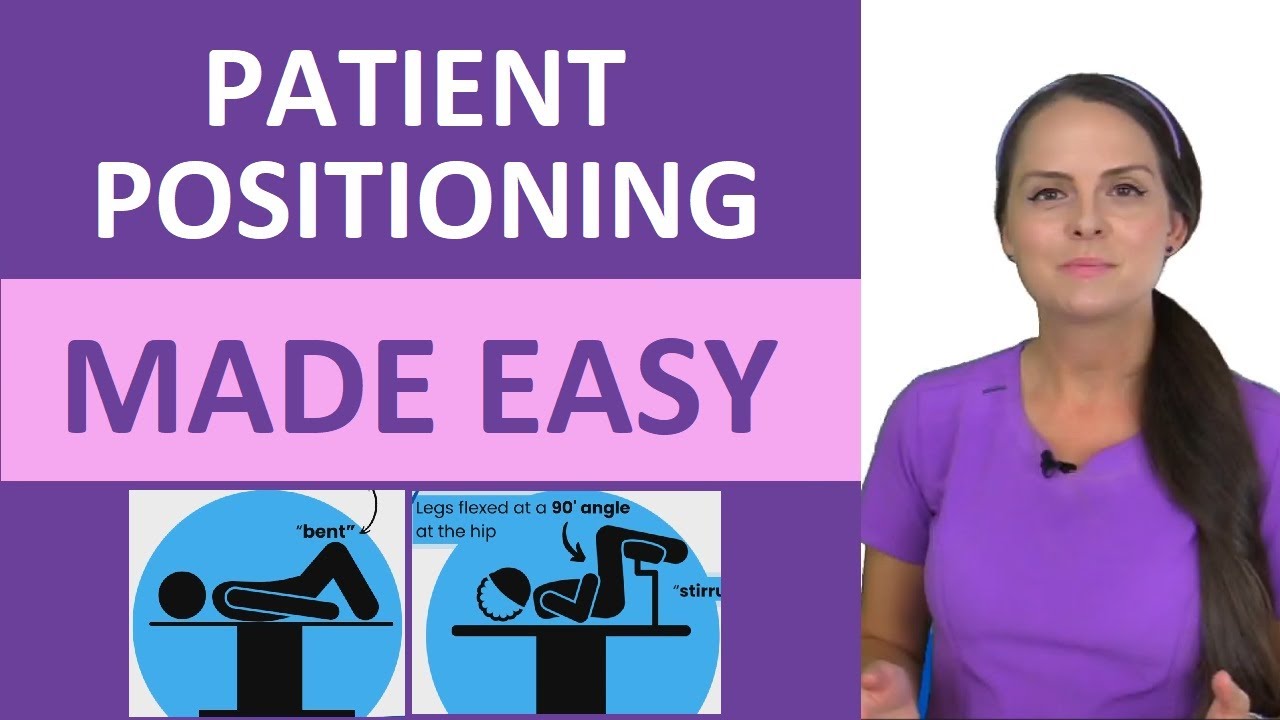
- 😀 The Litotomy position is used for gynecological or urological examinations and treatments involving the urethra and bladder.
- 😀 The Sims position assists in post-operative care, allowing fluids to drain efficiently and facilitating rectal examinations.
- 😀 The Lateral (side-lying) position also aids post-operative fluid drainage and eases rectal care.
- 😀 Following standard operating procedures (SOP) ensures safe and effective patient care during positioning.
- 😀 Communication, patient consent, proper positioning, and hygiene are repeated essential steps in every procedure.
Q & A
What is the purpose of body alignment in nursing?
-Body alignment in nursing aims to arrange the patient's body parts in a geometric and functional relationship to each other. It helps provide comfort, prevent falls, and facilitate care procedures.
What is the first step a nurse should take before assisting a patient to sit or stand?
-The first step is to inform the patient about the procedure and obtain their consent. This ensures the patient understands what will happen and feels safe.
Why is hand hygiene emphasized before and after performing procedures?
-Hand hygiene is crucial to prevent the spread of infections. Washing hands before ensures the procedure is sterile, and washing afterward protects both the patient and nurse from potential contamination.
What is the purpose of the Semi-Fowler's position?
-The Semi-Fowler's position helps patients who have difficulty breathing by providing relief, and it also facilitates care activities such as feeding.
What is the correct sequence of steps a nurse should follow when adjusting a patient’s position?
-The correct sequence is: 1) Explain the procedure and obtain consent, 2) Wash hands before the procedure, 3) Perform the positioning according to SOP, 4) Wash hands after the procedure.
What is the purpose of the lithotomy position in nursing?
-The lithotomy position is used for gynecological or urological examinations and procedures, as well as treatments of the urethra and bladder.
Why is the Sims position used post-operatively for tonsil patients?
-The Sims position allows post-operative fluids to drain effectively and facilitates rectal examinations or care if needed.
How does the lateral position benefit patients post-surgery?
-The lateral position helps in fluid drainage, particularly after tonsil surgery, and supports patient comfort and proper circulation during recovery.
What are the general benefits of properly positioning a patient in nursing care?
-Proper positioning provides comfort, prevents pressure injuries, reduces the risk of falls, improves breathing, facilitates medical procedures, and enhances overall patient safety.
Why is patient consent repeatedly emphasized before performing procedures?
-Patient consent is emphasized to respect patient autonomy, ensure understanding, reduce anxiety, and maintain ethical and legal standards in nursing care.
Outlines

Cette section est réservée aux utilisateurs payants. Améliorez votre compte pour accéder à cette section.
Améliorer maintenantMindmap

Cette section est réservée aux utilisateurs payants. Améliorez votre compte pour accéder à cette section.
Améliorer maintenantKeywords

Cette section est réservée aux utilisateurs payants. Améliorez votre compte pour accéder à cette section.
Améliorer maintenantHighlights

Cette section est réservée aux utilisateurs payants. Améliorez votre compte pour accéder à cette section.
Améliorer maintenantTranscripts

Cette section est réservée aux utilisateurs payants. Améliorez votre compte pour accéder à cette section.
Améliorer maintenantVoir Plus de Vidéos Connexes

Return Demonstration of Proper Positioning and Draping / Yabut_BSN 1-C
Patient Positioning Nursing Care | Nursing Fundamentals Next Generation NCLEX Review

Praktek Mobilisasi Pengaturan Posisi Pada Pasien

MACAM-MACAM PEMBERIAN POSISI PADA PASIEN

Mobilisieren - Transfer

4. Penilaian Status Gizi dan Pemeriksaan Spesimen Penyandang Disabilitas
5.0 / 5 (0 votes)

