Phosphate in Planted Aquariums - Algae Fuel? | Episode 4 - Nutrients 'Masterclass'
Summary
TLDRIn this episode of the deep dive into aquarium nutrients, the focus is on phosphate, a crucial nutrient for plants. While many hobbyists associate phosphate with algae growth, the reality is more nuanced. Phosphate is essential for energy transfer, root growth, and cell function in plants. It often comes from fish food, waste, and substrates. While some tanks don’t require dosing phosphate due to natural sources, deficiencies can occur in low-stocked or CO2-heavy setups. The key to maintaining a healthy tank is balance, as excess phosphate can contribute to algae growth, but phosphate itself isn’t the enemy.
Takeaways
- 😀 Phosphate is an essential nutrient for plants, playing a key role in energy transfer (ATP), DNA/RNA synthesis, and root growth.
- 😀 Many aquarium systems naturally provide sufficient phosphate through fish food, fish waste, decaying organics, and nutrient-rich substrates.
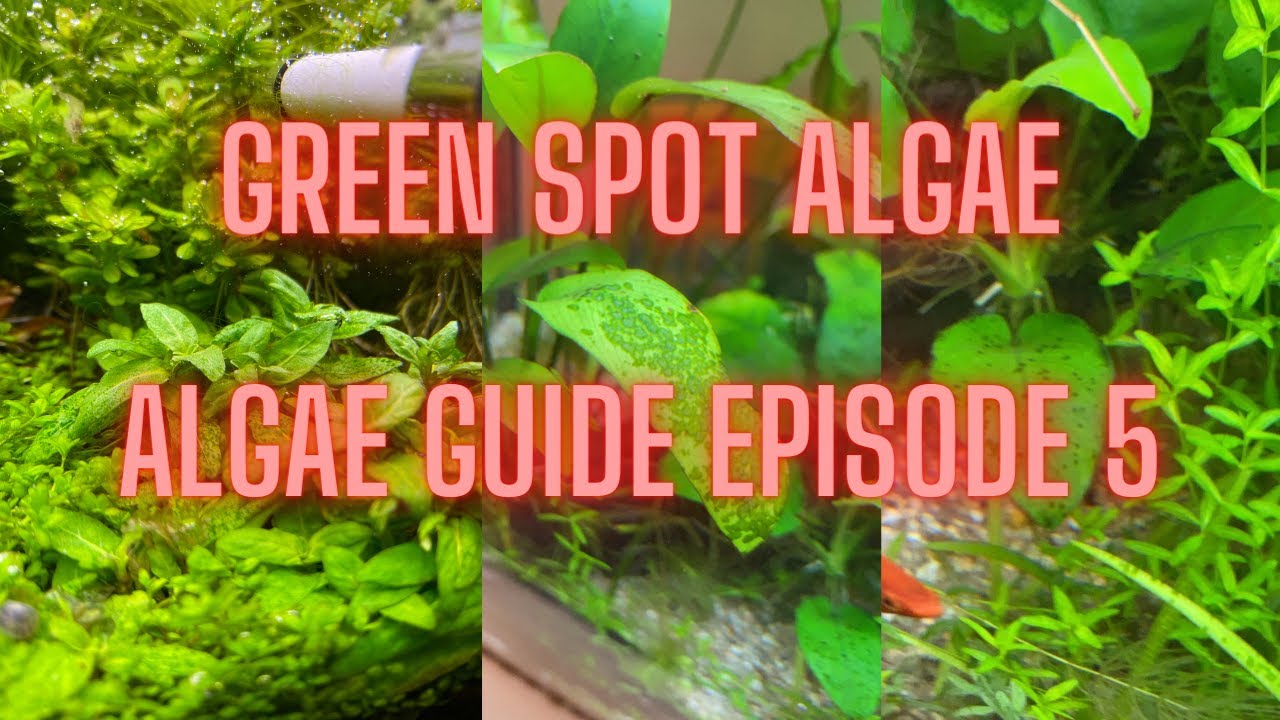
- 😀 A phosphate deficiency can lead to slow growth, weak roots, and algae growth, often manifesting as green spot algae on plant leaves.
- 😀 Zero phosphate levels are generally not ideal for planted aquariums. Plants need phosphate to function properly.
- 😀 The ADA system (popular in aquascaping) often doesn't require additional phosphate dosing due to its nutrient-rich substrates and moderate stocking levels.
- 😀 Phosphate deficiencies are more common in lightly stocked or high-CO2 tanks where phosphate consumption may exceed natural supply.
- 😀 Excess phosphate can contribute to algae problems, especially when there is an imbalance in nutrients or CO2 levels in the aquarium.
- 😀 Iron and phosphate can interact in the water, forming insoluble iron phosphate, which plants cannot absorb. This reaction can be minimized with chelated iron.
- 😀 Iron phosphate can eventually be released back into the water through natural processes in the substrate, allowing plants to access it again.
- 😀 Phosphate levels should generally range from 0.5 to 2 parts per million in planted tanks, with higher-demand systems requiring closer attention to these levels.
- 😀 While phosphate alone doesn't cause algae, an imbalance of nutrients, light, and CO2 can trigger algae growth when plants are weakened due to phosphate deficiency.
Q & A
What role does phosphate play in plant health?
-Phosphate is essential for energy transfer, DNA and RNA synthesis, cell membrane formation, and root growth in plants. Without phosphate, plants can't efficiently move energy within their cells, leading to stagnation and poor growth.
Why do some aquarium hobbyists avoid dosing phosphate?
-Many hobbyists avoid dosing phosphate because it naturally enters the tank from fish food, waste, decaying organics, and certain substrates. In moderately stocked tanks, phosphate levels often range from 1 to 3 parts per million without any added dosing.
What are the signs of phosphate deficiency in aquarium plants?
-Signs of phosphate deficiency include slow or stunted growth, dark or dull leaves, deteriorating older leaves, weak root systems, and the presence of green spot algae, especially on plant leaves like Anubias.
Can phosphate deficiency cause algae growth?
-Yes, phosphate deficiency can weaken plants, leading to slower growth. This provides an opportunity for algae to take over, as plants are unable to outcompete algae for resources.
What is the relationship between iron and phosphate in aquariums?
-Iron and phosphate can interact to form iron phosphate, which is insoluble and unavailable to plants. This reaction is more likely when iron is in its oxidized form (Fe3+). Using chelated iron fertilizers helps prevent this lockup and ensures better nutrient uptake by plants.
How does the substrate affect phosphate levels in an aquarium?
-In some aquarium systems, phosphate is supplied through the substrate, especially nutrient-rich substrates like aqua soil. This reduces the need for external phosphate dosing, as the substrate continuously releases nutrients through natural processes like cation exchange.
What is a healthy phosphate range for planted aquariums?
-A phosphate level of 0.5 to 2 parts per million is generally considered healthy for planted aquariums. Low light tanks can be at the lower end, while high-light tanks should be at the higher end.
Why is zero phosphate not ideal for planted tanks?
-Zero phosphate can lead to stunted plant growth, weak root systems, and poor energy transfer within the plants. This also creates an environment where algae can thrive, as weakened plants can no longer outcompete algae.
Does phosphate alone cause algae growth in aquariums?
-Phosphate alone does not cause algae growth. Algae appears when plants are limited by a nutrient (like phosphate), light, or unstable CO2 levels. Imbalance in any of these factors can trigger algae growth.
How does excess phosphate contribute to algae problems in aquariums?
-Excess phosphate can promote algae growth, especially when combined with overfeeding, overstocking, and poor water maintenance. Phosphate itself doesn't directly harm fish, but the imbalance it creates can lead to algae blooms, which affect the aesthetic and health of the aquarium.
Outlines

Cette section est réservée aux utilisateurs payants. Améliorez votre compte pour accéder à cette section.
Améliorer maintenantMindmap

Cette section est réservée aux utilisateurs payants. Améliorez votre compte pour accéder à cette section.
Améliorer maintenantKeywords

Cette section est réservée aux utilisateurs payants. Améliorez votre compte pour accéder à cette section.
Améliorer maintenantHighlights

Cette section est réservée aux utilisateurs payants. Améliorez votre compte pour accéder à cette section.
Améliorer maintenantTranscripts

Cette section est réservée aux utilisateurs payants. Améliorez votre compte pour accéder à cette section.
Améliorer maintenant


5.0 / 5 (0 votes)

