AKTIVITAS KEHIDUPAN MASYARAKAT MASA HINDU BUDDHA | IPS SMP KELAS 7
Summary
TLDRThis video explores the rich heritage of Indonesia, particularly its Hindu-Buddhist past, through iconic landmarks like Borobudur and Prambanan. It covers four main theories on how Hinduism and Buddhism spread to the archipelago—via Brahmanas, merchants, warriors, and local returnees. The video highlights the cultural impact of Hindu-Buddhist kingdoms such as Kutai, Sriwijaya, and Majapahit, shaping Indonesia's religious, social, and political landscape. The lasting legacies include temples, literature, and art. It concludes with a look at the transition to Islam and the significant changes it brought to Indonesian society.
Takeaways
- 😀 Indonesia is home to many historical Hindu-Buddhist sites, such as Borobudur, Prambanan, and Muharatakus, showing the advanced culture of its past civilizations.
- 😀 These ancient structures were built through cooperative efforts, combining architectural knowledge and religious practices.
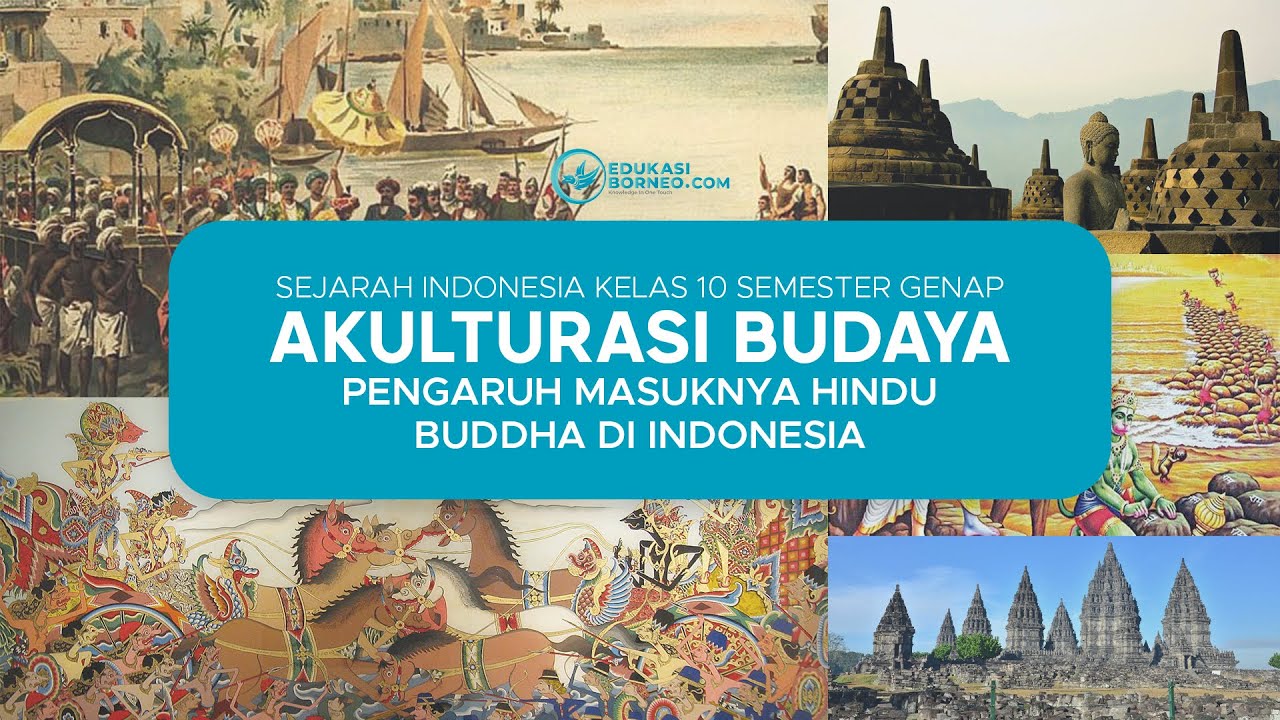
- 😀 Hindu-Buddhist culture did not replace Indonesia's indigenous culture but blended with it, creating a rich fusion of traditions.
- 😀 The concept of 'local genius' refers to how Indonesians skillfully absorbed and adapted foreign cultures while preserving their own.
- 😀 The spread of Hindu-Buddhism in Indonesia involved various groups, including Brahmins, traders (Waisya), warriors (Kesatria), and locals who actively participated in the process.
- 😀 Four main theories explain how Hindu-Buddhism spread to Indonesia: Brahmana Theory, Waisya Theory, Kesatria Theory, and Arus Balik Theory.
- 😀 The Brahmana Theory suggests Hindu-Buddhism was brought by Indian priests (Brahmins), invited by local rulers to lead religious ceremonies.
- 😀 The Waisya Theory claims Hindu-Buddhism spread through Indian traders, who introduced religious practices through commerce and daily interactions.
- 😀 The Kesatria Theory argues that Indian warriors and kings brought Hindu-Buddhism during military conquests and the establishment of kingdoms.
- 😀 The Arus Balik Theory proposes that Indonesians themselves traveled to India to learn about Hindu-Buddhism and brought the knowledge back to their homeland.
- 😀 Hindu-Buddhist kingdoms significantly influenced various aspects of Indonesian life, including religion, governance, social structure, economy, and culture.
- 😀 Key Hindu-Buddhist kingdoms in Indonesia include Kutai, Tarumanegara, Srivijaya, Mataram Kuno, Singhasari, and Majapahit, each with unique cultural contributions.
- 😀 Despite the decline of Hindu-Buddhist rule, their legacies, such as temples, statues, arts, and literature, remain crucial to Indonesia's historical and cultural identity.
- 😀 The arrival of Islam marked a new phase in Indonesia's history, bringing significant changes to religion, trade, governance, and culture.
Q & A
What is the significance of ancient structures like Borobudur and Prambanan in Indonesia's history?
-These structures highlight Indonesia's advanced society during the Hindu-Buddhist period. They reflect the people's belief systems, social cooperation, and architectural knowledge, demonstrating their ability to work together to build these monumental temples.
What does 'local genius' mean in the context of Indonesia's cultural development?
-Local genius refers to the ability of the Indonesian people to incorporate and adapt foreign cultures, like Hinduism and Buddhism, without losing their indigenous traditions. It shows their openness to new influences while maintaining their unique cultural identity.
What were the four main theories explaining the spread of Hindu and Buddhist teachings in Indonesia?
-The four theories are: 1) Brahmana Theory (Hindu-Buddhist teachings brought by Indian priests), 2) Waisya Theory (introduced by Indian merchants), 3) Ksatria Theory (spread by Indian warriors or kings), and 4) Reverse Flow Theory (suggesting that Indonesians went to India to study and then returned to spread the teachings).
How did the Hindu-Buddhist religions influence Indonesian society?
-These religions affected various aspects of Indonesian life, including religion, governance, society, economy, and culture. They contributed to the rise of Hindu-Buddhist kingdoms, which became centers of power and cultural development.
What was the role of the kingdom of Kutai in Indonesia's history?
-The Kingdom of Kutai, located in East Kalimantan, was one of the earliest Hindu-Buddhist kingdoms in Indonesia. Its existence is evidenced by the discovery of Yupa inscriptions, which were written in Sanskrit and Pallava script, dating back to around the 4th century CE.
What are the key features of the Tarumanagara Kingdom?
-Tarumanagara, in West Java, flourished between the 4th and 5th centuries CE. It is known for inscriptions, such as the Ciarutun and Kebon Kopi inscriptions, that mention King Purnawarman. The kingdom's royal symbolism included footprints representing the power of gods like Vishnu and Indra.
What made Sriwijaya a significant kingdom in Southeast Asia?
-Sriwijaya, a powerful maritime kingdom in Sumatra, controlled crucial trade routes in the Indian Ocean and Malacca Strait. It was also a major center of Buddhist learning, with its influence extending over much of Southeast Asia, including the spread of Buddhist knowledge and culture.
How did the Kingdom of Mataram Kuno contribute to the spread of Hinduism and Buddhism?
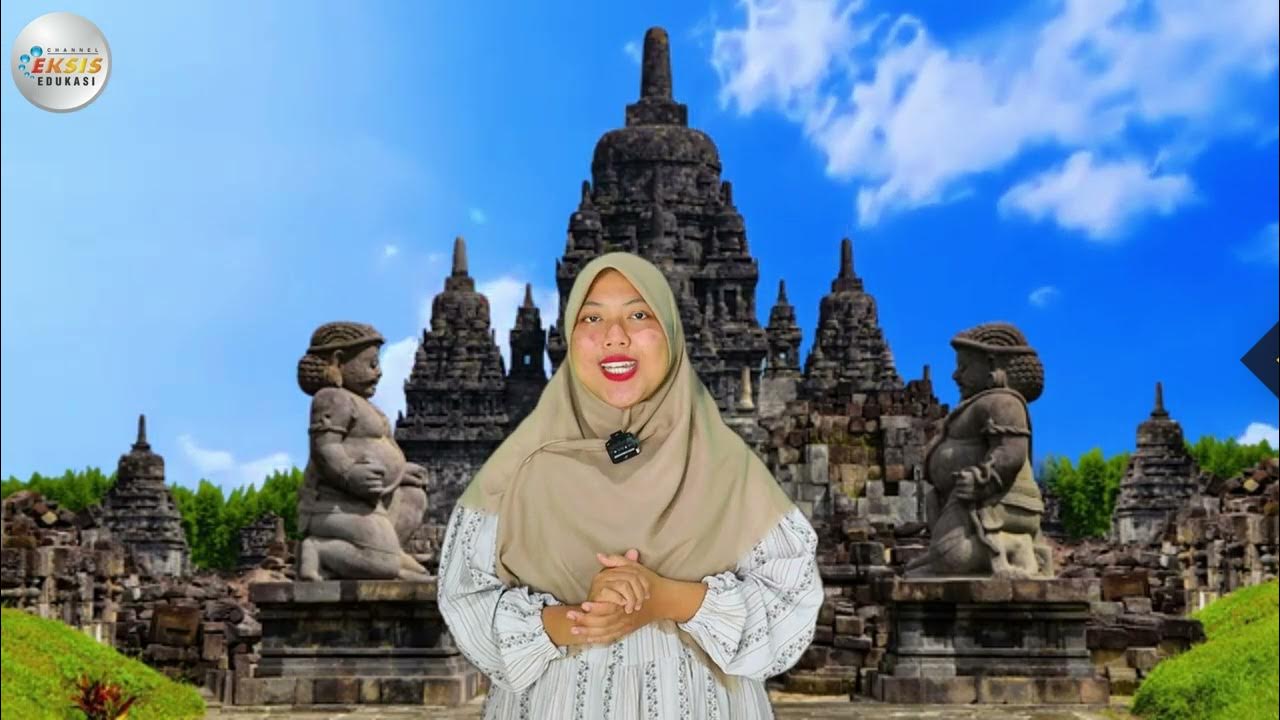
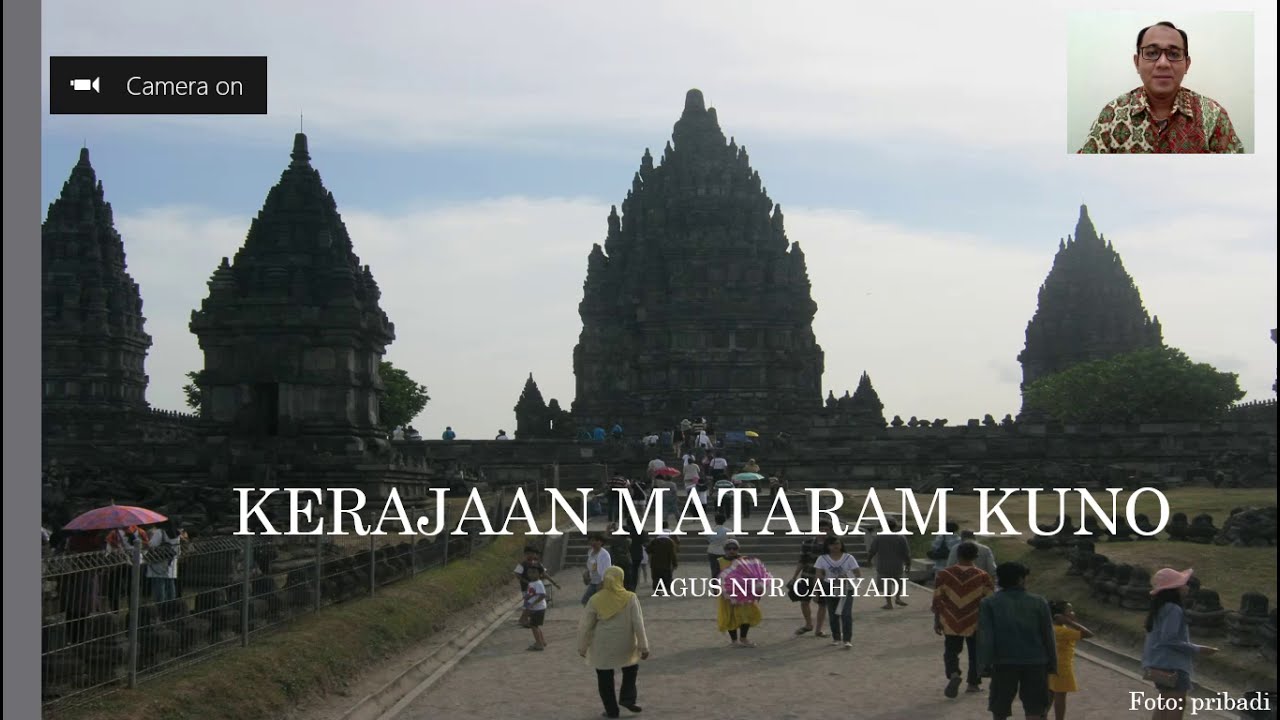
-Mataram Kuno, located in Central Java, played a key role in the propagation of Hinduism and Buddhism. It saw the establishment of the Sanjaya dynasty, which embraced Hinduism, and the Shailendra dynasty, which followed Buddhism. The unification of these dynasties helped blend both religions, as seen in the construction of temples like Candi Plaosan.
What is the historical importance of the Majapahit Kingdom?
-Majapahit, founded by Raden Wijaya, became one of the most powerful empires in Southeast Asia. Under King Hayam Wuruk and his prime minister Gajah Mada, Majapahit expanded its influence over much of the archipelago and was known for its prosperity, cultural achievements, and efforts to unite the region.
What led to the decline of Majapahit?
-Majapahit began to decline after the death of its leaders, Hayam Wuruk and Gajah Mada, and the internal strife from the Paregreg conflict. This weakening of central authority led to the loss of territory and the eventual dissolution of the empire.
What are some of the lasting legacies of the Hindu-Buddhist period in Indonesia?
-The lasting legacies include monumental temples like Borobudur and Prambanan, intricate stone carvings and sculptures, literature written on palm leaves, and a strong cultural blend of indigenous and foreign influences. These remnants continue to be important historical and cultural symbols for Indonesia.
Outlines

Cette section est réservée aux utilisateurs payants. Améliorez votre compte pour accéder à cette section.
Améliorer maintenantMindmap

Cette section est réservée aux utilisateurs payants. Améliorez votre compte pour accéder à cette section.
Améliorer maintenantKeywords

Cette section est réservée aux utilisateurs payants. Améliorez votre compte pour accéder à cette section.
Améliorer maintenantHighlights

Cette section est réservée aux utilisateurs payants. Améliorez votre compte pour accéder à cette section.
Améliorer maintenantTranscripts

Cette section est réservée aux utilisateurs payants. Améliorez votre compte pour accéder à cette section.
Améliorer maintenantVoir Plus de Vidéos Connexes

10 Candi Tertua di Indonesia | Wow...Ternyata yang Tertua Bukan Borobudur

Peninggalan-Peninggalan Masa Hindu-Budha (IPS Kelas VII Semester Genap)

Sejarah Kerajaan Hindu-Buddha di Indonesia
"Kerajaan Hindu Buddha di Indonesia" - Sejarah
KERAJAAN MATARAM KUNO (MATARAM HINDU-BUDHA)
AKULTURASI BUDAYA - PENGARUH MASUKNYA HINDU BUDDHA DI INDONESIA | SEJARAH INDONESIA KELAS 10
5.0 / 5 (0 votes)

