Canine Ultrasound | Praktikum Ilmu Kebidanan dan Kemajiran | IPB University
Summary
TLDRThis video demonstrates the key role of ultrasonography in canine reproduction, particularly in pregnancy detection and diagnosing uterine pathology. It shows how ultrasound can reveal the dynamics of intrauterine life and fetal development, from early pregnancy to birth. The script covers procedures for imaging, the use of transducers, and fetal movements, as well as the development of the canine fetus at various stages. Additionally, it highlights the high-tech precision involved in the development of ultrasound equipment and the ongoing collaboration between engineers and medical professionals to advance diagnostic technology.
Takeaways
- 🐶 Ultrasonography is a key tool in canine reproduction for early pregnancy detection and diagnosing uterine pathology.
- 🪒 Image quality improves significantly when the mid-ventral abdomen is shaved and coupling gel is applied to ensure optimal ultrasound transmission.
- 🛏️ Dogs can be scanned in either a supine or standing position, as long as the animal is comfortable and the examiner can easily adjust image settings.
- 🔍 Early pregnancy diagnosis is based on identifying uterine ampullae, which appear as fluid-filled swellings even before the embryo is clearly visible.
- 💓 Within days, the embryo, yolk sac, and eventually a detectable heartbeat become visible, confirming viable pregnancy.
- 📅 Around day 29–30, fetal structures such as the amniotic membrane, umbilical cord, and early body movements can be observed.
- 🤸 Between days 30 and 40, increased fetal fluid allows active movement of the fetus, including limb motion and head movement.
- 🦴 As gestation progresses, anatomical details such as ribs, skull, jaws, eyes (including the lens), internal organs, and limbs become clearly distinguishable.
- 📉 After the fifth week, uterine swellings disappear as the uterus becomes uniformly distended, requiring a lower-frequency transducer for better penetration.
- ❤️ Fetal heart rate can be measured using M-mode ultrasound, providing important information about fetal health (e.g., ~222 beats per minute).
- 👶 In the final weeks, functional behaviors such as breathing movements, hiccups, swallowing, and tongue or jaw motion indicate preparation for birth.
- 🧪 After day 50, most morphological development is complete, and ultrasonography becomes valuable for assessing functional aspects of fetal development.
- 🏥 Modern ultrasound systems are developed through collaboration between engineers and medical specialists, ensuring clinical relevance and usability.
- ⚙️ Strict quality control, advanced CAD/CAM design, precision transducer manufacturing, and rigorous testing ensure high performance and reliability of ultrasound equipment.
- 🌍 Global distribution networks and ongoing technical and clinical support help maintain high standards and effective use of ultrasound technology worldwide.
Q & A
What is the primary application of ultrasonography in canine reproduction?
-The primary applications of ultrasonography in canine reproduction are the early detection of pregnancy and the diagnosis of uterine pathology.
How does shaving the abdominal area impact the quality of ultrasound images?
-Shaving the abdominal area, although not always necessary, improves the quality of ultrasound images by removing the hair, allowing better transmission of sound waves.
What type of transducer is typically used for pregnancy diagnosis in canines, and what is its frequency?
-A 7.5 MHz linear array transducer is typically used for pregnancy diagnosis in canines.
At what stage of pregnancy can the canine embryo and yolk sac be clearly visible?
-The embryo and yolk sac become visible around the 1-day mark after conception when the size of the ampulla increases and appears as an oval shape.
Why is the transducer placed on the abdomen during ultrasonography?
-The transducer is placed on the abdomen to allow for the ultrasound waves to pass through the skin and into the body, enabling the imaging of the uterus and fetuses.
What can be observed in a fetus during the fifth week of pregnancy?
-During the fifth week of pregnancy, fetal movements can be recognized, including movements of the head, limbs, and the heartbeat.
What changes occur in the uterus as the pregnancy progresses after day 30?
-After day 30, the amount of fluid in the yolk sac decreases, leading to a flatter appearance of the fetal membrane, and fetal movements become more discernible.
How does the amount of fetal fluid change during pregnancy, and how does this affect fetal movement?
-Between days 30 and 40, the volume of fetal fluids reaches its peak, allowing the fetus to move more freely within the amniotic sac.
How is the fetal heart rate calculated during the ultrasound scan?
-The fetal heart rate is calculated using M-mode by measuring the excursions of the ventricular wall during heart cycles, which is displayed alongside the scan images.
What features of the fetus can be seen during the final weeks of pregnancy?
-In the final weeks of pregnancy, features such as the fetal stomach filled with amniotic fluid, tongue and jaw movements, and breathing movements (such as hiccups) can be observed.
Outlines

Cette section est réservée aux utilisateurs payants. Améliorez votre compte pour accéder à cette section.
Améliorer maintenantMindmap

Cette section est réservée aux utilisateurs payants. Améliorez votre compte pour accéder à cette section.
Améliorer maintenantKeywords

Cette section est réservée aux utilisateurs payants. Améliorez votre compte pour accéder à cette section.
Améliorer maintenantHighlights

Cette section est réservée aux utilisateurs payants. Améliorez votre compte pour accéder à cette section.
Améliorer maintenantTranscripts

Cette section est réservée aux utilisateurs payants. Améliorez votre compte pour accéder à cette section.
Améliorer maintenantVoir Plus de Vidéos Connexes
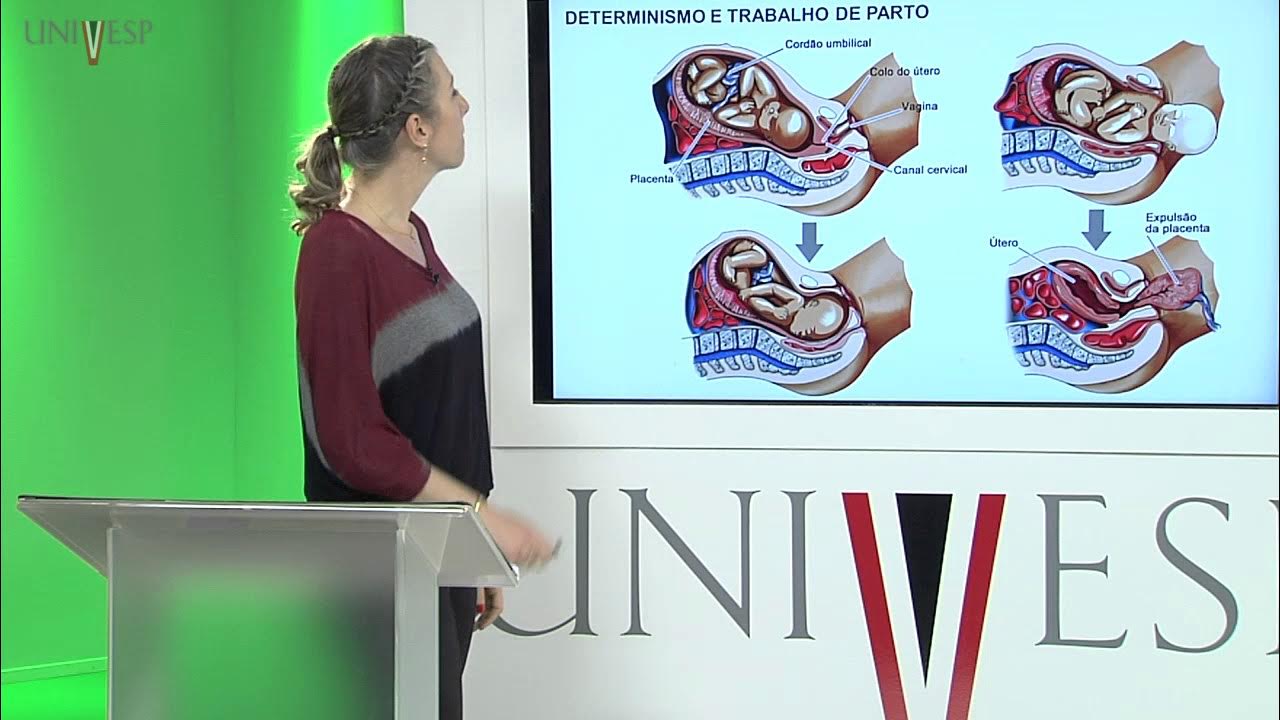
Corpo Humano: Órgãos e Sistemas - Aula 27 - Fisiologia da Gravidez, Parto e Lactação

Reproductive cycle graph - Luteal phase | NCLEX-RN | Khan Academy

KONSEP DASAR PATOLOGI & PATOFISIOLOGI | Yudi Adnan, S. Kep., M.Kes

Avaliação semiológica e diagnóstico em pequenos animais - Aula 16 a 16.1

Menstrual Cycle Walkthrough: Phases & Hormonal Regulation

The Menstrual Cycle - GCSE Biology (9-1)
5.0 / 5 (0 votes)

