Carbohydrate Digestion & Absorption
Summary
TLDRIn this comprehensive walkthrough, Dr. Mike guides viewers step-by-step through carbohydrate digestion and absorption, from the mouth to the bloodstream. He explains how starch and glycogen are broken down by salivary and pancreatic amylase, while cellulose remains indigestible fiber due to its beta bonds. The video clearly distinguishes polysaccharides, disaccharides, and monosaccharides, emphasizing that only glucose, fructose, and galactose can be absorbed. Dr. Mike also explores brush border enzymes, lactose intolerance, and the specific transporters that move sugars into intestinal cells and then into the portal circulation, where the liver processes them for energy or storage.
Takeaways
- 😀 Carbohydrates are broken down into monosaccharides like glucose, galactose, and fructose during digestion.
- 😀 The three main carbohydrates we ingest are starch, glycogen, and cellulose, each with unique characteristics.
- 😀 Polysaccharides (many sugars) are broken down into oligosaccharides (a few sugars), then into monosaccharides, which are absorbable.
- 😀 Alpha 1-4 glycosidic bonds in starch and glycogen can be broken down by the enzyme alpha-amylase, but cellulose contains beta 1-4 glycosidic bonds, which we cannot digest.
- 😀 Starch and glycogen are animal and plant carbohydrates, while cellulose is a plant-based carbohydrate that serves as fiber in our diet.
- 😀 The body absorbs only monosaccharides, not polysaccharides or disaccharides, through the gastrointestinal tract.
- 😀 Alpha-amylase, released in the oral cavity and small intestine, breaks down polysaccharides into smaller sugar molecules like disaccharides and trisaccharides.
- 😀 Brush border enzymes in the small intestine further break down disaccharides (like sucrose and lactose) into monosaccharides, such as glucose and fructose.
- 😀 Glucose and galactose are absorbed via a sodium-glucose transporter (SGLT), while fructose uses a GLUT5 transporter for absorption.
- 😀 Once absorbed into the bloodstream, monosaccharides travel to the liver, where galactose and fructose are converted into glucose for energy or storage as glycogen.
Q & A
What are the three major types of carbohydrates that we ingest?
-The three major types of carbohydrates we ingest are starch, glycogen, and cellulose.
Why can't we absorb polysaccharides directly?
-Polysaccharides are too large to be absorbed by the body. We can only absorb monosaccharides, which are the simplest sugar units formed after digestion.
What is the difference between starch and cellulose?
-Starch and cellulose are both plant-based carbohydrates, but the key difference is in their bond structures. Starch contains alpha 1:4 glycosidic bonds, which we can digest, while cellulose contains beta 1:4 glycosidic bonds, which we cannot digest.
What role does salivary amylase play in carbohydrate digestion?
-Salivary amylase, released by the salivary glands, breaks down alpha 1:4 glycosidic bonds in starch and glycogen into smaller sugar molecules, making them easier to further digest.
What is the function of the enzyme CCK (cholecystokinin) in carbohydrate digestion?
-CCK triggers the gallbladder to release bile and signals the pancreas to release digestive enzymes, including amylase, which help further break down carbohydrates in the small intestine.
Why does alpha-amylase from the pancreas perform a more effective role than salivary amylase?
-Pancreatic alpha-amylase is more potent than salivary amylase, allowing it to break down larger polysaccharides more efficiently into smaller disaccharides and trisaccharides.
What are brush border cells and what enzymes do they release?
-Brush border cells line the small intestine and release enzymes like maltase, sucrase, lactase, and alpha-dextrinase, which break down disaccharides and trisaccharides into monosaccharides.
How are monosaccharides absorbed into the bloodstream from the small intestine?
-Monosaccharides like glucose and galactose are absorbed through secondary active transport using the sodium-glucose transporter (SGLT1), while fructose is absorbed via facilitated diffusion using the GLUT5 transporter. All monosaccharides are then transported to the bloodstream through the GLUT2 transporter.
What happens to fructose and galactose after absorption in the small intestine?
-After absorption, fructose and galactose are converted into glucose by the liver, which can either be used for energy or stored as glycogen.
Why can people with lactose intolerance experience diarrhea?
-People with lactose intolerance lack the enzyme lactase, so lactose remains undigested in the digestive tract. This undigested lactose pulls water into the intestines, leading to diarrhea.
Outlines

Cette section est réservée aux utilisateurs payants. Améliorez votre compte pour accéder à cette section.
Améliorer maintenantMindmap

Cette section est réservée aux utilisateurs payants. Améliorez votre compte pour accéder à cette section.
Améliorer maintenantKeywords

Cette section est réservée aux utilisateurs payants. Améliorez votre compte pour accéder à cette section.
Améliorer maintenantHighlights

Cette section est réservée aux utilisateurs payants. Améliorez votre compte pour accéder à cette section.
Améliorer maintenantTranscripts

Cette section est réservée aux utilisateurs payants. Améliorez votre compte pour accéder à cette section.
Améliorer maintenantVoir Plus de Vidéos Connexes
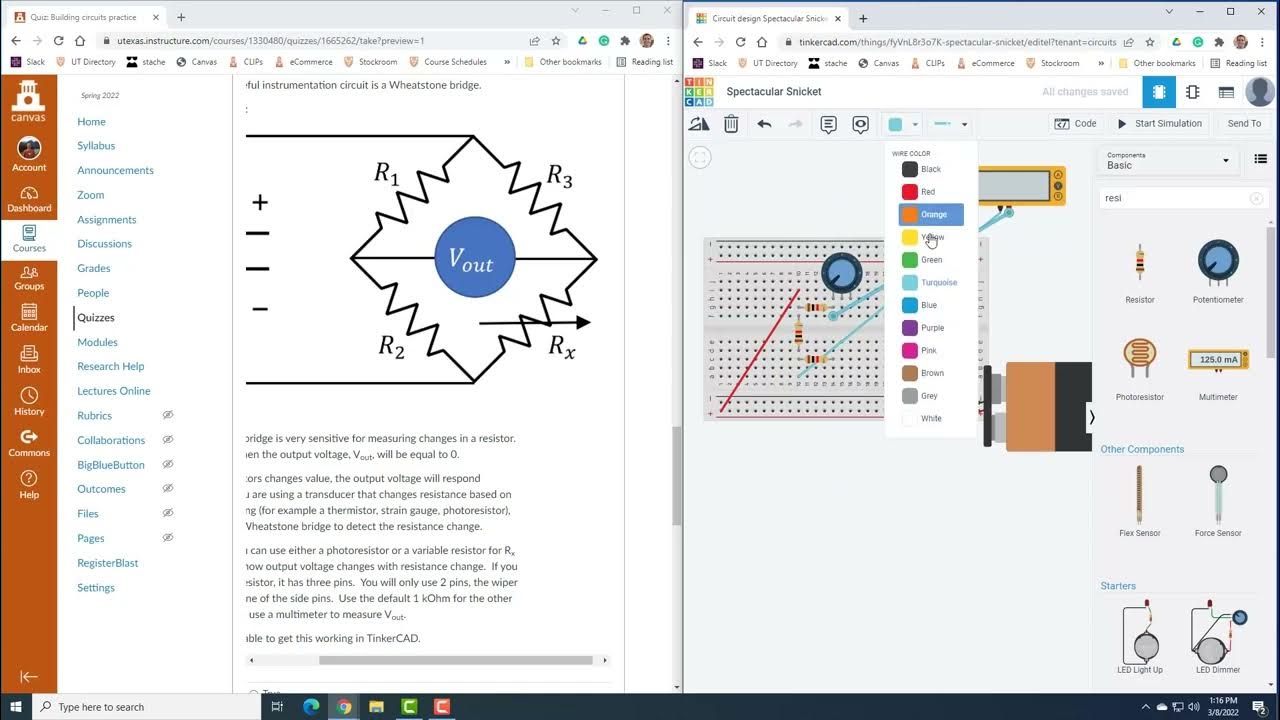
Practice circuit: making a Wheatstone bridge in TinkerCAD

How To Wire A House; Episode 1 - The Plans and Layout

The Ultimate Outbound Machine | GoHighLevel Prospecting Snapshot Explained - [Walkthrough]

Full Project in Excel | Excel Tutorials for Beginners

City of Threads Mythic Dungeon Guide

ERDs in Lucidchart
5.0 / 5 (0 votes)

