UGC 2026 | Understanding Caste Beyond Colonial Narratives | Prachyam
Summary
TLDRThe script examines the controversy surrounding the UGC’s proposed Equity Framework in Indian universities, arguing that while presented as an anti-discrimination reform, it has reignited deep social and ideological conflicts over caste, reservation, and equality. The narrative rejects the framework, asserting that true equality in India historically came from a flexible, merit- and skill-based varna system rather than rigid birth-based hierarchies. It traces modern caste polarization to colonial policies, censuses, and distorted historiography used to divide society. The script further links post-independence leftist and identity-based politics to this legacy, warning that ideological subversion continues to fracture Hindu social unity, and concludes with a call for collective vigilance, social harmony, and cultural oneness.
Takeaways
- 😀 The new UGC equity framework has created nationwide turmoil, despite its aim to prevent discrimination in Indian universities.
- 😀 Supporters of the UGC regulations view them as a reform for improving education, while critics argue that they deepen caste-based divisions.
- 😀 The introduction of reservation policies has sparked ongoing debates, with some arguing that they exacerbate inequality instead of resolving it.
- 😀 The core question revolves around the origins of caste-based discrimination: Is it a new practice or a result of colonial influences?
- 😀 Caste-based divisions were present in ancient India, but they were based on work skills, not birthright or oppression, and were never rigid or discriminatory.
- 😀 The colonial period, particularly the advent of British rule, saw caste redefined as a rigid and oppressive system for dividing society and ruling over it.
- 😀 British colonialists, like Alexander Duff and Macaulay, restructured India's traditional caste system into a 'racial structure,' creating permanent caste categories through colonial laws.
- 😀 The British also introduced the 'Criminal Tribes Act' and later used the caste system as a tool to control and divide the Indian population.
- 😀 Post-independence, leftist ideologies, inspired by European Marxism, have continued to promote the victimization of certain social groups, perpetuating the caste divide.
- 😀 The message from ancient saints, such as Swami Ramanandacharya and Sant Raidas, is clear: caste distinctions should be eliminated, and all Hindus should unite as one, transcending political divisions.
Q & A
What triggered the controversy discussed in the script?
-The controversy was triggered by the introduction of the UGC’s new Equity Framework in early 2026, which was officially presented as a measure to prevent discrimination in Indian universities but was perceived by many as socially divisive.
How does the script interpret the intention behind the UGC Equity Framework?
-The script argues that despite being framed as an anti-discrimination policy, the framework has caused widespread unrest and is seen by critics as deepening social and caste-based divisions rather than resolving them.
What contrasting views are presented regarding the UGC regulations?
-Supporters describe the regulations as necessary reforms to ensure representation and fairness, while critics claim they mislead the public, promote division among Hindus, and widen existing social gaps.
According to the script, what is identified as the fundamental source of social discrimination in India?
-The script suggests that modern caste-based discrimination is not an ancient or organic tradition but a constructed system shaped by historical interventions, particularly during colonial rule.
How does the script describe the original concept of the Varna system?
-The Varna system is portrayed as a functional classification based on qualities (guna) and actions (karma), not birth, allowing mobility and choice of occupation according to skill and aptitude.
What historical examples are used to support the claim that Varna was not birth-based?
-The script references figures like Vidura, who was born into a Shudra family but attained moral and intellectual prominence, as evidence of social mobility in ancient times.
What role does the script assign to Islamic and British rule in altering Indian social structures?
-It claims that Islamic rule involved targeted persecution of certain Hindu institutions, while British colonial administrators redefined Varna into rigid, race-like caste categories for administrative control.
Why is the British census highlighted as significant in the script?
-The British censuses, particularly those of 1871 and 1901, are portrayed as fixing caste identities permanently, turning flexible social identities into rigid labels.
What is meant by 'ideological subversion' as referenced in the script?
-Ideological subversion refers to a gradual process of weakening a society from within through demoralization, destabilization, crisis creation, and normalization, a concept attributed to former KGB officer Yuri Bezmenov.
How does the script connect post-independence politics with colonial strategies?
-It argues that post-independence political movements, particularly leftist ideologies, continued colonial divide-and-rule tactics by framing society strictly as oppressors versus oppressed.
What criticism does the script make of academic and political discourse?
-The script claims that complex historical and cultural realities have been reduced to simplistic binaries in universities, causing genuine social issues to be overshadowed by ideological narratives.
What unifying message does the script conclude with?
-The script concludes by invoking teachings of Indian saints that reject caste distinctions and emphasize unity, asserting that all Hindus are one and must remain vigilant against forces that seek to divide them.
Outlines

Cette section est réservée aux utilisateurs payants. Améliorez votre compte pour accéder à cette section.
Améliorer maintenantMindmap

Cette section est réservée aux utilisateurs payants. Améliorez votre compte pour accéder à cette section.
Améliorer maintenantKeywords

Cette section est réservée aux utilisateurs payants. Améliorez votre compte pour accéder à cette section.
Améliorer maintenantHighlights

Cette section est réservée aux utilisateurs payants. Améliorez votre compte pour accéder à cette section.
Améliorer maintenantTranscripts

Cette section est réservée aux utilisateurs payants. Améliorez votre compte pour accéder à cette section.
Améliorer maintenantVoir Plus de Vidéos Connexes

Reality Of Reservation
The Caste System Explained: Origins, Impact, and Modern Relevance
ผลงาน ดร.อัมเบดการ์ และการเปลี่ยนศาสนาช่วงบั้นปลายชีวิต (Part 2/2) | 8 Minute History EP.256
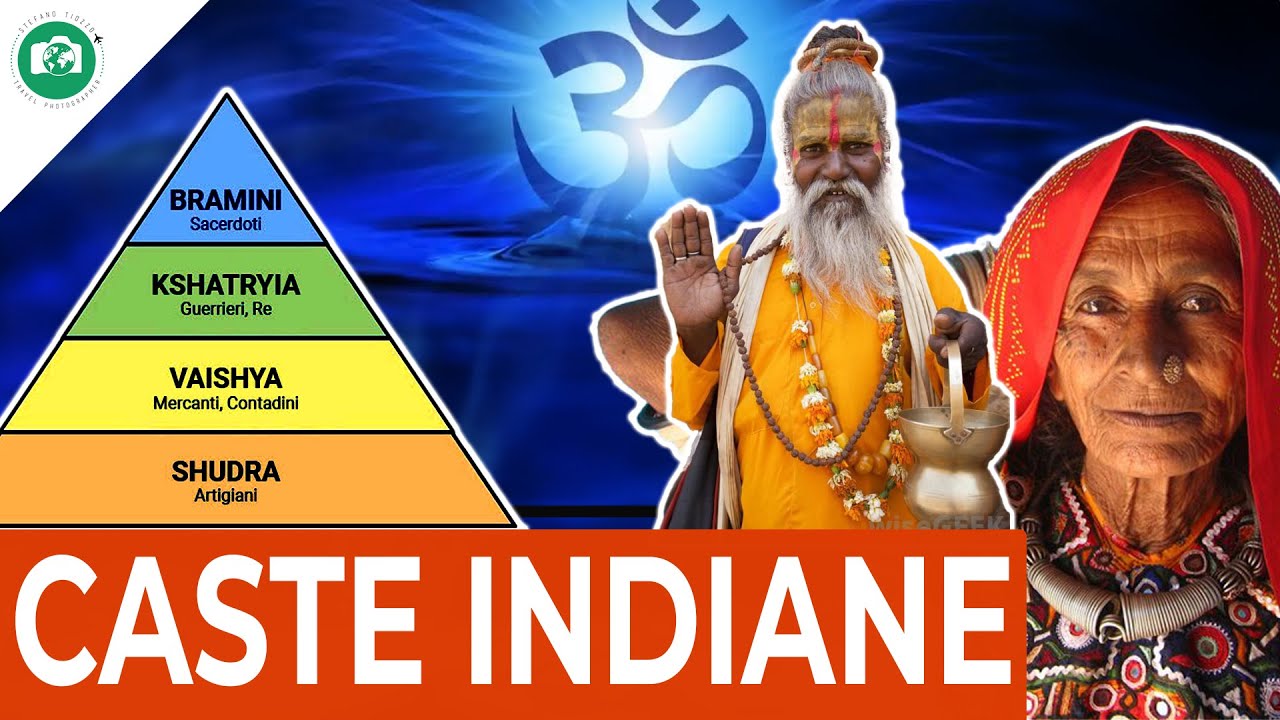
LE CASTE INDIANE SPIEGATE BENE: C'ENTRA DAVVERO LA RELIGIONE?

Reality of Reservation | Open Letter
Caste Oppression and Untouchability
5.0 / 5 (0 votes)

