Dinamika Planet Bumi: Teori Pembentukan Muka Bumi
Summary
TLDRThis educational video explores the dynamic processes shaping the Earth's surface, focusing on four major theories: Continental Drift, Laurasia and Gondwana, Convection, and Plate Tectonics. It explains how continents have shifted over millions of years, supported by evidence from fossil distribution, matching coastlines, mountain formations, and ancient climates. The video also details the mechanisms driving these movements, including convection currents and tectonic plate interactions, and distinguishes between oceanic and continental crust. By connecting geological observations with scientific theories, the video provides a clear and engaging overview of Earth's evolving landscape and the forces that continue to shape our planet today.
Takeaways
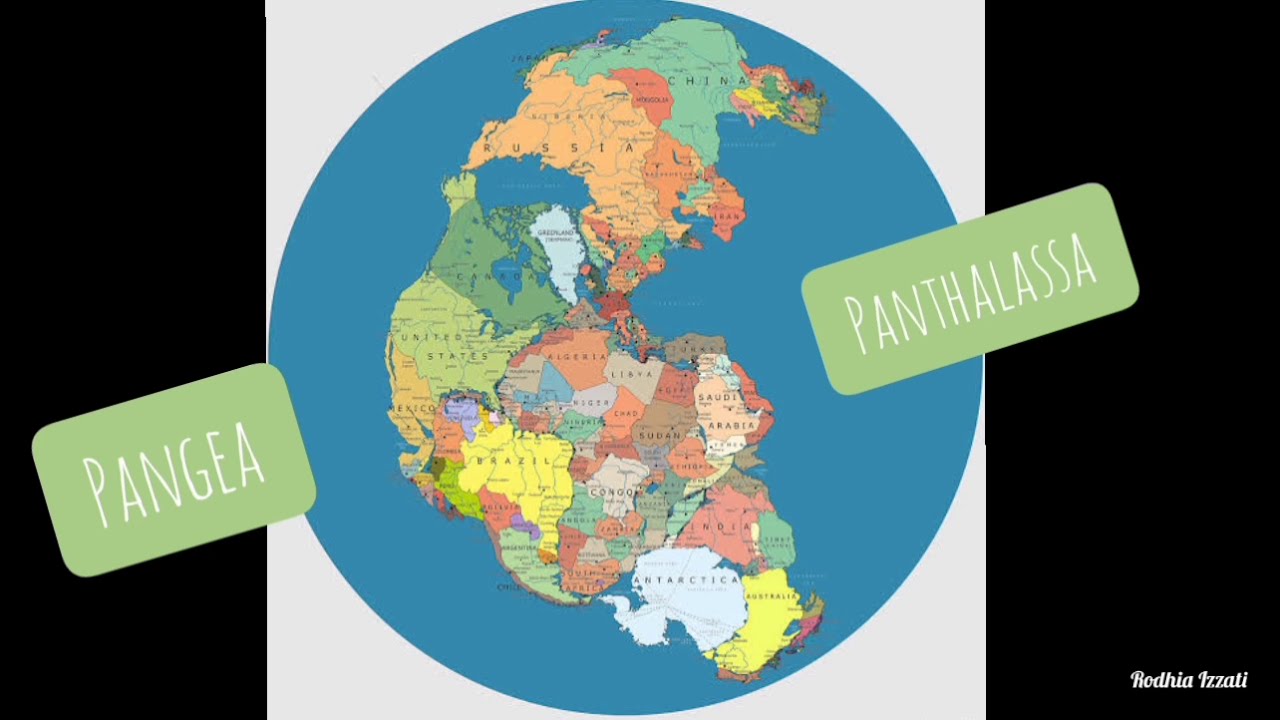
- 🌍 Alfred Wegener proposed the Continental Drift Theory in 1912, suggesting that continents were once joined in a supercontinent called Pangea.
- 🧩 Pangea was surrounded by a vast ocean called Pantalasa and broke apart over millions of years, with continents drifting to their current positions.
- 🗺️ Evidence for continental drift includes the matching coastlines of continents such as South America and Africa, and North America and Europe.
- 🦖 Fossil evidence supports the theory, including Cynognathus, Mesosaurus, Lystrosaurus, and Clis, found on multiple continents far apart today.
- ⛰️ Similarities in rock types and mountain ranges, like the Appalachian Mountains and mountains in Iceland and Scandinavia, support continental drift.
- ❄️ Paleoclimatic evidence shows ancient glacial deposits in southern continents like Antarctica, Australia, South America, Africa, and India.
- 🌐 The Laurasia-Gondwana theory suggests the Earth initially had two major continents: Laurasia in the north and Gondwana in the south.
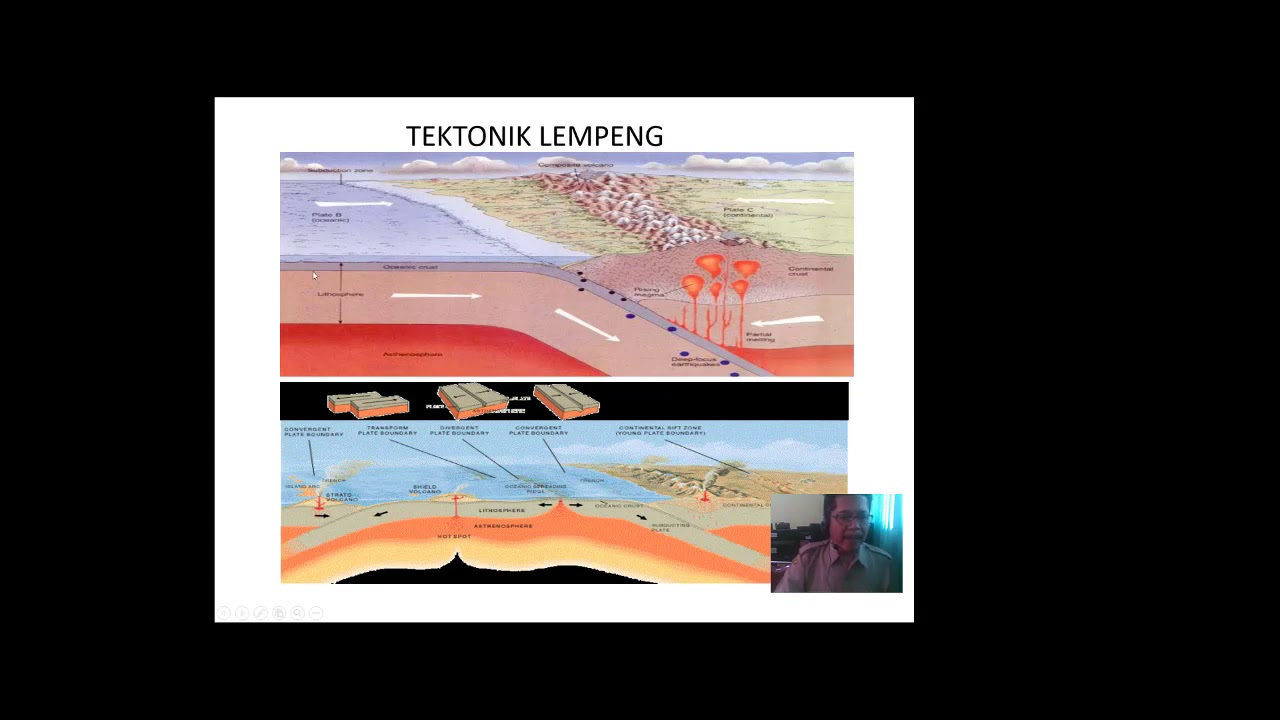
- 🔥 The Convection Theory explains that heat-induced convection currents in the Earth's interior move lava to the surface, creating new crust and driving movement.
- 🌊 Evidence of convection-driven movement includes mid-ocean ridges like the Mid-Atlantic Ridge and Pacific Ridge, where rocks get older further from the ridge.
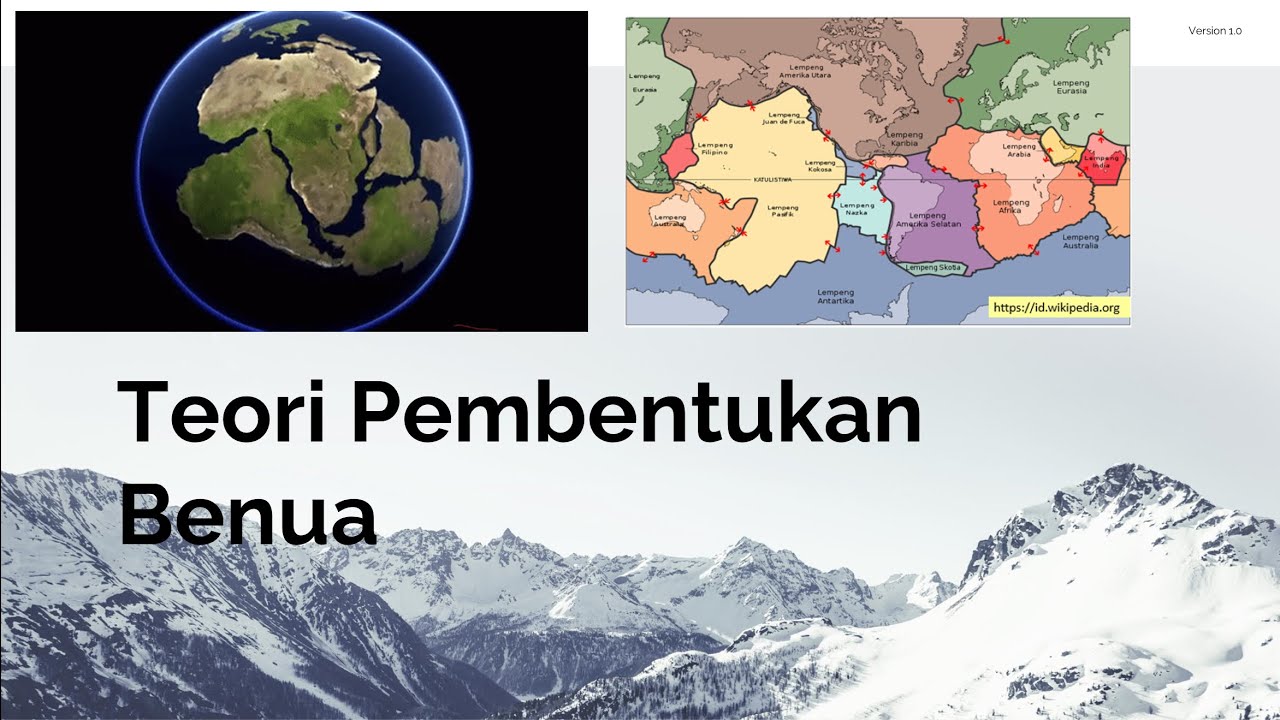
- 🛠️ The Plate Tectonics Theory posits that the Earth's lithosphere is divided into tectonic plates that move over the semi-fluid asthenosphere due to convection currents.
- 🏞️ Earth's crust consists of two types: oceanic crust (Sima) which is dense and thin, and continental crust (Sial) which is thicker and less dense.
- 📊 Overall, the formation and movement of continents are explained through a combination of continental drift, two-continent theory, convection currents, and tectonic plate dynamics.
Q & A
What is the main focus of the video lesson?
-The video focuses on the dynamics of the Earth's surface, specifically discussing the development of landforms and the major geological theories explaining them.
Who proposed the Continental Drift theory and what is its main idea?
-Alfred Wegener proposed the Continental Drift theory in 1912. The main idea is that continents were once joined in a supercontinent called Pangea and have drifted to their current positions over millions of years.
What evidence supports the theory of Continental Drift?
-Evidence includes the matching coastlines of continents (like South America and Africa), fossil distribution across continents (e.g., Mesosaurus, Lystrosaurus), similarities in rock formations and mountain ranges, and ancient climate indicators such as glacial deposits in the southern hemisphere.
What does the Laurasia and Gondwana theory state?
-Proposed by Edward Ze in 1884, this theory states that initially there were two large continents: Laurasia in the northern hemisphere and Gondwana in the southern hemisphere, which later split into smaller continents like Asia, Europe, Africa, and South America.
Who introduced the Convection Theory and what is its key concept?
-Arthur Holmes, Harry Hay, and later Robert Diaz introduced the Convection Theory. Its key concept is that heat-induced convection currents in the Earth's interior drive the movement of the Earth's crust.
What geological evidence supports the Convection Theory?
-Evidence includes the formation of mid-ocean ridges such as the Mid-Atlantic Ridge and Pacific Ridge, and the observation that rocks become older as they move away from these ridges, indicating crustal movement caused by convection currents.
What is the Plate Tectonics theory and who proposed it?
-The Plate Tectonics theory, proposed by Tozo Wilson, states that the Earth's lithosphere is divided into tectonic plates that move over the asthenosphere due to convection currents. This movement explains earthquakes, volcanic activity, and mountain formation.
What are the two types of Earth's crust described in the Plate Tectonics theory?
-The two types are continental crust (sial), which is thick and composed of silicon and aluminum, and oceanic crust (sima), which is thinner, denser, and composed of silicon and magnesium.
How does the density difference between continental and oceanic crust affect their positions?
-The denser oceanic crust tends to remain below sea level, while the less dense continental crust rises above sea level, forming continents.
What role did ancient climate and fossil evidence play in supporting geological theories?
-Ancient climate evidence, such as glacial deposits and tropical plant fossils, along with the distribution of fossils across continents, provided strong support for theories like Continental Drift, demonstrating that continents were once connected and have since moved.
How do all four geological theories relate to each other?
-The theories are complementary: Continental Drift explains the movement of continents, Laurasia-Gondwana provides a model of initial continental arrangement, Convection Theory explains the physical mechanism driving crustal movement, and Plate Tectonics integrates these ideas into a comprehensive model of lithospheric plate motion.
Outlines

Cette section est réservée aux utilisateurs payants. Améliorez votre compte pour accéder à cette section.
Améliorer maintenantMindmap

Cette section est réservée aux utilisateurs payants. Améliorez votre compte pour accéder à cette section.
Améliorer maintenantKeywords

Cette section est réservée aux utilisateurs payants. Améliorez votre compte pour accéder à cette section.
Améliorer maintenantHighlights

Cette section est réservée aux utilisateurs payants. Améliorez votre compte pour accéder à cette section.
Améliorer maintenantTranscripts

Cette section est réservée aux utilisateurs payants. Améliorez votre compte pour accéder à cette section.
Améliorer maintenant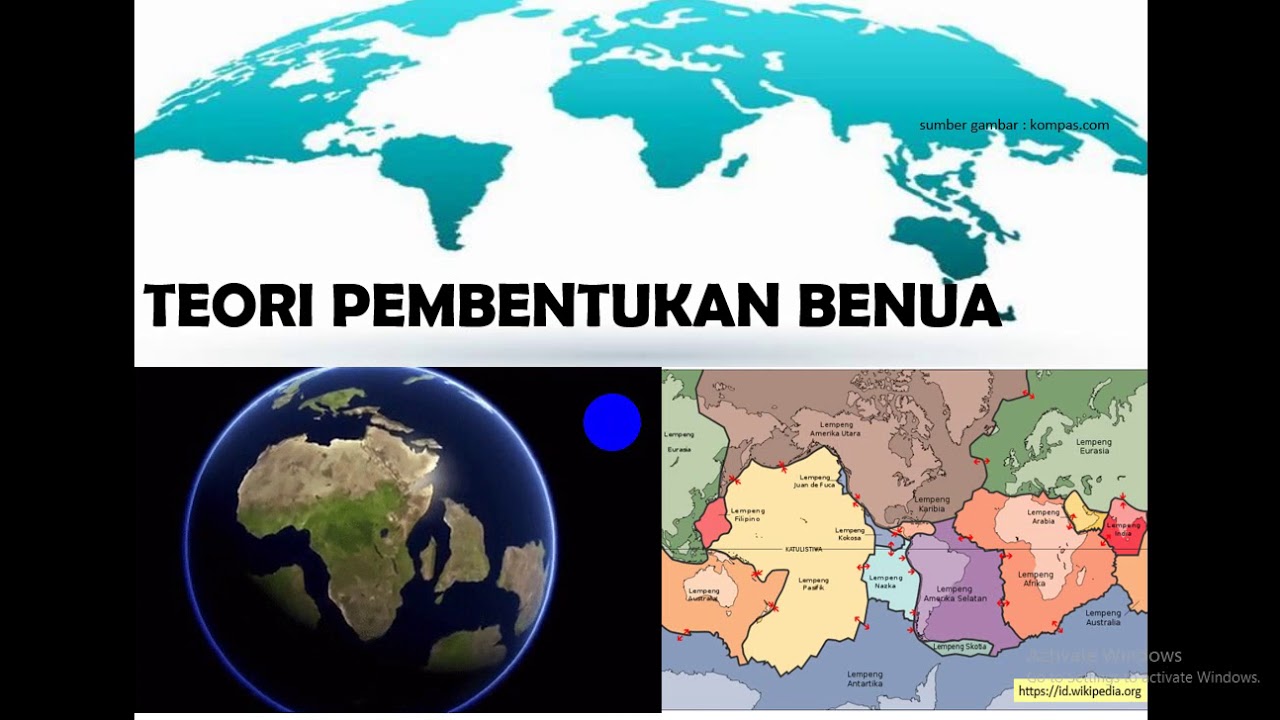

5.0 / 5 (0 votes)

