UK now has seven social classes
Summary
TLDRRecent research redefines social class not only by income or occupation but also through social and cultural capital. The study examines people's networks, hobbies, and lifestyle choices to assess their position in society. It identifies seven classes, from a wealthy elite to the precariat with minimal resources. Traditional working-class categories have declined, while a new group, 'emergent service workers,' combines limited finances with active social lives and high cultural engagement. This new framework challenges old stereotypes, offering a nuanced understanding of modern class divisions and how people relate to them in contemporary Britain.
Takeaways
- 📊 The traditional definition of social class based only on income and occupation is being replaced by a broader model including social and cultural capital.
- 👥 Social capital in the study was measured by the number and types of friends people had, such as executives, teachers, cleaners, or postal workers.
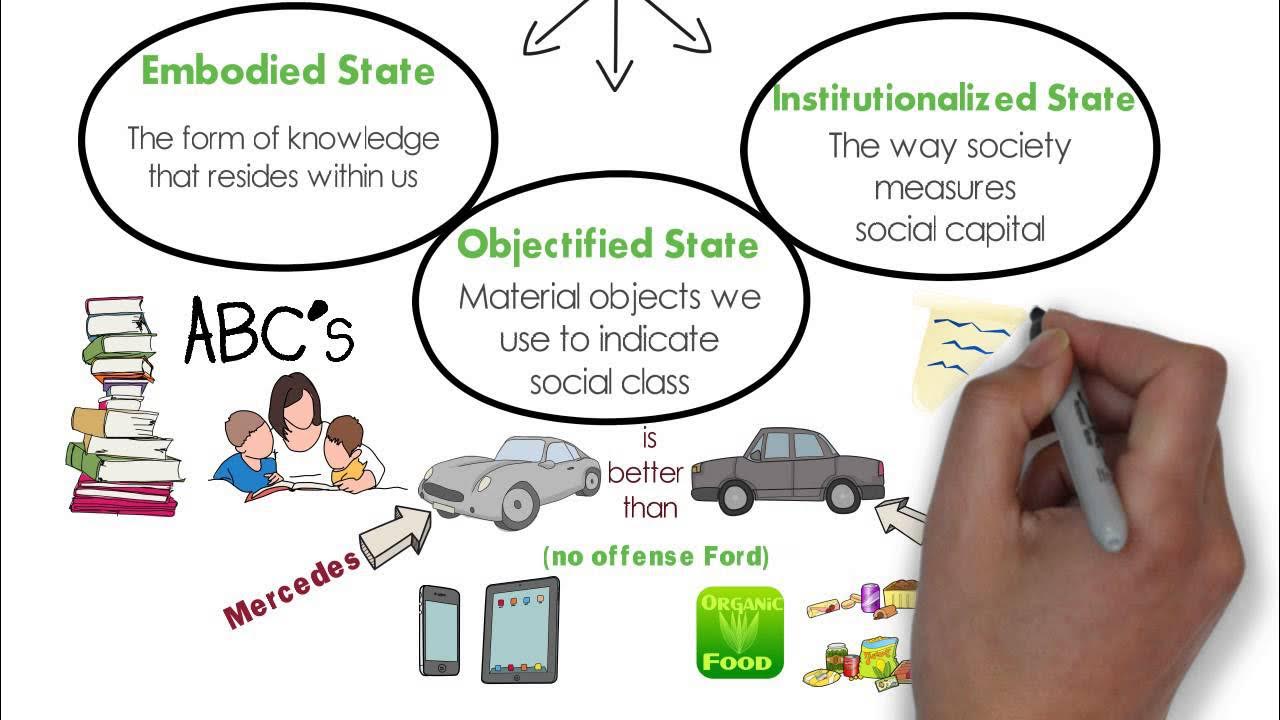
- 🎭 Cultural capital was assessed through lifestyle habits, including music preferences, gym attendance, museum visits, sports, arts, and social media use.
- 🏛️ The research suggests modern class divisions are more complex and sophisticated than the old working-class versus middle-class system.
- 🧠 Researchers believe people today identify less with traditional class labels and may connect more with newer classifications.
- 💰 The study identified seven different social classes instead of the traditional three-class model.
- 👑 At the top of the system is a small but extremely wealthy elite with strong economic, social, and cultural advantages.
- ⚠️ At the lower end is the 'precariat,' a group characterized by low income and limited social and cultural engagement.
- 🏭 The traditional working class has significantly declined and is now mainly concentrated in former industrial regions of Britain.
- 🌟 A newly identified group called 'emergent service workers' includes young professionals with limited money but active social and cultural lives.
- 🎵 Emergent service workers tend to have high cultural participation, such as attending music events and maintaining diverse friendships.
- 🧪 The BBC offered an online test allowing people to determine their social class based on the new classification system.
- 📱 Everyday activities like using Facebook or Twitter, socializing at home, and visiting museums were considered indicators of cultural capital.
- 🤝 The interviews in the script demonstrated how different answers to lifestyle questions could place individuals into distinct modern social classes.
- 🔄 The overall message of the report is that class identity in modern Britain is evolving and can no longer be explained by income alone.
Q & A
How does the new research define social class compared to traditional definitions?
-The new research defines social class not only by income and occupation but also by social and cultural capital, such as the number and types of friends people have and their engagement in cultural and leisure activities.
What is meant by social capital in this study?
-Social capital refers to the networks of friends people have and the types of people they associate with, such as whether they are executives, teachers, cleaners, or postal workers.
How is cultural capital assessed according to the research?
-Cultural capital is assessed by looking at people's participation in activities like using social media, going to the gym or playing sports, attending museums and theaters, and their music preferences.
Why do people no longer think straightforwardly in terms of middle or working class?
-Modern society has more complex social structures, and people seek different labels and understandings of class that go beyond simple middle or working-class definitions.
What are the seven classes identified by the study?
-The study identifies: the Elite (very wealthy), the precariat (very little money, social, or cultural life), the shrinking traditional working class, emergent service workers, and several other middle groups, reflecting a more nuanced class structure.
Who are emergent service workers, and what characterizes them?
-Emergent service workers are typically young professionals like newly qualified solicitors who have limited money but a busy social life, many friends, and high cultural capital.
How does the example of Vicki illustrate the emergent service worker class?
-Vicki is a newly qualified solicitor with student loans, many friends, an active social life, and engagement with cultural activities, which are the defining traits of the emergent service worker class.
What role does personal lifestyle play in defining class in this new system?
-Personal lifestyle, including social interactions, hobbies, cultural engagement, and leisure activities, is a key factor in class identity under this new system, not just income or job.
How can people find out their social class under this new classification?
-People can take a test on the BBC website, which evaluates their social and cultural habits to classify them into one of the newly defined classes.
What does the transcript suggest about the relevance of old stereotypes of class?
-The transcript suggests that old 1950s stereotypes of class are no longer applicable, and modern society has more complex and nuanced divisions based on a combination of wealth, social networks, and cultural engagement.
Outlines

Esta sección está disponible solo para usuarios con suscripción. Por favor, mejora tu plan para acceder a esta parte.
Mejorar ahoraMindmap

Esta sección está disponible solo para usuarios con suscripción. Por favor, mejora tu plan para acceder a esta parte.
Mejorar ahoraKeywords

Esta sección está disponible solo para usuarios con suscripción. Por favor, mejora tu plan para acceder a esta parte.
Mejorar ahoraHighlights

Esta sección está disponible solo para usuarios con suscripción. Por favor, mejora tu plan para acceder a esta parte.
Mejorar ahoraTranscripts

Esta sección está disponible solo para usuarios con suscripción. Por favor, mejora tu plan para acceder a esta parte.
Mejorar ahoraVer Más Videos Relacionados

Breakthrough Research: This Electrolyte IS CAUSING Chronic Fatigue & Long Covid

What Social Class Are You Really In?
Tolok Ukur Kemajuan Pembangunan
Cultural Capital

Masa Lalu Adalah Pelajaran Yang Berharga - Eps. 6 #GuruTalks
Du'anyam, Membantu Para Ibu di Flores Memetik Keuntungan Berbisnis Anyaman Lontar - NET12
5.0 / 5 (0 votes)

