AKULTURASI DAN PERKEMBANGAN BUDAYA ISLAM // Sejarah Indonesia Kelas X
Summary
TLDRThis educational video explores the concept of cultural acculturation in Indonesia, focusing on the influence of Islam on local traditions. It highlights how Islamic culture blended with pre-existing customs, visible in architecture like the Menara Masjid Kudus, traditional ceremonies, art, calligraphy, literature, performing arts, and the Islamic calendar. The video explains that Islamic culture did not replace earlier traditions but merged with them, creating a unique cultural landscape. Students are introduced to examples such as mosques, tombs, traditional dances, wayang performances, and literary works, illustrating the harmonious integration of Islamic and Indonesian cultural elements over time.
Takeaways
- 😀 The Islamic cultural influence in Indonesia is evident through the unique blending of Islamic traditions with existing local cultures, such as the architecture of the Kudus Mosque.
- 😀 Akulturasi (acculturation) refers to the mixing of two or more cultures, where each influences the other, and this is central to understanding the development of Islamic culture in Indonesia.
- 😀 Islamic culture in Indonesia did not replace pre-existing cultures but rather blended with them, creating a distinctive national culture.
- 😀 Islamic acculturation can be seen in both physical (e.g., architecture, art) and non-physical aspects (e.g., social rituals, customs).
- 😀 A key example of Islamic acculturation in Indonesia is the merging of Islamic traditions with local practices in ceremonies such as birth, marriage, death, and the Islamic observance of Muharram and Maulid Nabi.
- 😀 Islamic architectural influences include the design of mosques, minarets, and tombs, with a fusion of traditional local styles.
- 😀 The development of Islamic art, particularly in architecture, resulted in buildings such as the Kudus Mosque, which combines Islamic and pre-Islamic Javanese architectural elements.
- 😀 The concept of the mosque expanded in Islam to serve as a center for worship, community activities, and education, beyond just being a place of prayer.
- 😀 Traditional Indonesian tombs, like those of sultans and kings, were often situated near mosques or royal palaces, showing the blending of Islamic and pre-Islamic burial traditions.
- 😀 The spread of Islam in Indonesia also led to the adoption of Arabic script in local writing systems, and the development of Islamic literature, including the creation of Hikayat (legends) and Syair (poetry).
Q & A
What is the main focus of the lesson in the transcript?
-The main focus of the lesson is about the acculturation (akulturasi) and the development of Islamic culture in Indonesia, especially how Islamic culture blended with local traditions and practices.
What does 'akulturasi' mean according to the transcript?
-According to the transcript, 'akulturasi' means the blending of two or more cultures that come into contact and influence each other, leading to a mutual exchange of cultural elements.
How did the development of Islamic culture influence Indonesia?
-The development of Islamic culture in Indonesia added a new dimension to the national culture without replacing existing traditions. It resulted in the integration of Islamic practices with pre-existing Indonesian cultural elements.
Can you provide an example of Islamic influence in Indonesian architecture?
-An example of Islamic influence in Indonesian architecture is the **Masjid Kudus**. Its tower is shaped like a Hindu-Javanese temple (candi), reflecting the blending of Islamic architecture with pre-Islamic local traditions.
What is the role of bedug in Indonesian Islamic culture as mentioned in the transcript?
-In Indonesian Islamic culture, the **bedug** (a large drum) is used to signal prayer times, representing an integration of Islamic practices into the existing cultural context where local traditions such as signaling through sound were already in use.
What is the significance of the **selamatan** (commemorative feast) in Indonesian Islamic culture?
-The **selamatan** is an example of a cultural tradition where Islamic practices, such as honoring religious figures (e.g., Hasan, Husain, and the Prophet Muhammad's birthday), are celebrated with traditional Indonesian feasts, showing the fusion of Islamic and local rituals.
How did Islamic culture influence traditional Indonesian arts?
-Islamic culture influenced traditional Indonesian arts, particularly in **seni ukir** (carving) and **kaligrafi** (calligraphy). Islamic motifs, such as floral patterns and Arabic script, were incorporated into local artistic styles, blending the two cultural elements.
What role did Arabic script play in Indonesian literature?
-Arabic script became significant in Indonesian literature as it was used to write in the **Bahasa Melayu** and **Bahasa Jawa**. It also contributed to the development of **kaligrafi**, and Islamic literature blended with pre-Islamic narratives to form new literary works.
What is the difference between **hikayat** and **babad** in Indonesian literature?
-The **hikayat** is a form of literature that contains epic stories or tales, often involving magical or supernatural elements, while **babad** is more historical and mixes facts with myths and beliefs, recounting the history of kingdoms and rulers.
How did the **Hijri calendar** influence Indonesia?
-The **Hijri calendar** was adopted in Indonesia as part of the broader influence of Islamic timekeeping. It led to the creation of a new calendar system, which was later modified by local leaders like Sultan Agung, who adjusted the names of months to better fit local culture.
Outlines

Esta sección está disponible solo para usuarios con suscripción. Por favor, mejora tu plan para acceder a esta parte.
Mejorar ahoraMindmap

Esta sección está disponible solo para usuarios con suscripción. Por favor, mejora tu plan para acceder a esta parte.
Mejorar ahoraKeywords

Esta sección está disponible solo para usuarios con suscripción. Por favor, mejora tu plan para acceder a esta parte.
Mejorar ahoraHighlights

Esta sección está disponible solo para usuarios con suscripción. Por favor, mejora tu plan para acceder a esta parte.
Mejorar ahoraTranscripts

Esta sección está disponible solo para usuarios con suscripción. Por favor, mejora tu plan para acceder a esta parte.
Mejorar ahoraVer Más Videos Relacionados
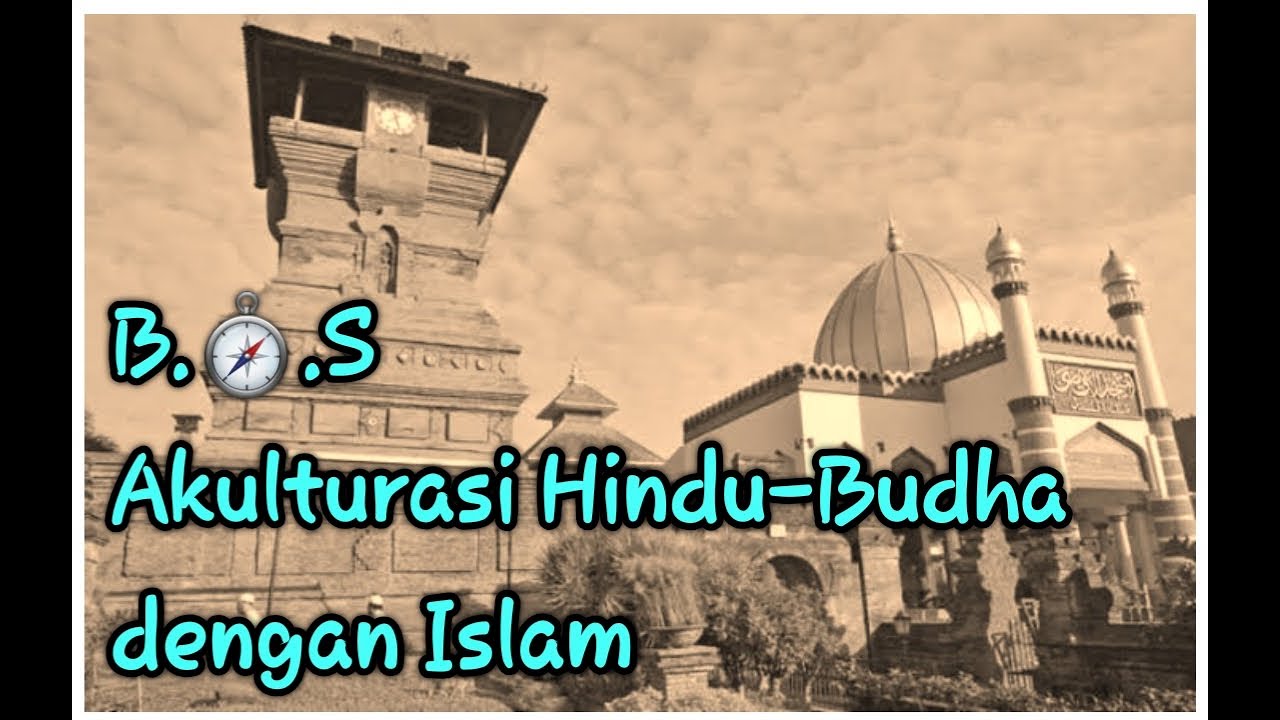
Akulturasi kebudayaan Hindu-Budha dengan Islam.

Akulturasi Budaya Lokal, Hindu-Buddha, dengan Islam
AKULTURASI BUDAYA - PENGARUH MASUKNYA HINDU BUDDHA DI INDONESIA | SEJARAH INDONESIA KELAS 10

Tradisi Islam di Nusantara- Materi PAI BP Kelas 9 SMP/MTs

IPAS KELAS 5 BAB 7 DAERAHKU KEBANGGAANKU || TOPIK A: SEPERTI APAKAH BUDAYA DAERAHKU? #kurmer

Menelusuri Tradisi Islam di Nusantara || Materi PAI & BP || Kelas 9 || K13 || SMP
5.0 / 5 (0 votes)

