Gordon Allport's Theory of Personality
Summary
TLDRThis presentation explores Gordon Allport's theory of personality and motivation, focusing on his key contributions to the understanding of personality traits. Allport, born in 1897, disagreed with Freud's emphasis on childhood experiences and instead focused on the present and individual motivations. He categorized traits into cardinal, central, and secondary traits, each representing varying levels of influence on behavior. Allport also emphasized functional autonomy, where motives are independent of childhood experiences. Ultimately, he argued that personality evolves throughout life, a concept that resonated personally with the speaker, who recognized their own growth beyond childhood.
Takeaways
- 😀 Gordon Allport was born in 1897 and died in 1967, growing up with a strict religious mother and a father who transitioned from salesman to doctor.
- 😀 Allport felt isolated in childhood, developed an inferiority complex, and experienced sibling competition that influenced his development.
- 😀 Allport disagreed with Freud, focusing on present motivations rather than past history to understand personality.
- 😀 He believed personality traits vary depending on the situation and environment.
- 😀 Allport used an eclectic data collection approach, including personal documents like journals and self-report assessments.
- 😀 He categorized values into theoretical, economic, aesthetic, social, political, and religious types.
- 😀 Allport identified three types of traits: Cardinal (dominant), Central (major but less dominant), and Secondary (situational and inconsistent).
- 😀 Motivation, according to Allport, is largely independent of childhood experiences, contrasting Freud's emphasis on early life.
- 😀 He introduced concepts of perseverative functional autonomy (routine behaviors without external reward) and propriate functional autonomy (expression of values and self-image).
- 😀 Personality traits continue to develop throughout life; individuals are not the same as they were in childhood.
Q & A
Who was Gordon Allport and what was significant about his background?
-Gordon Allport was a psychologist born in 1897 and died in 1967. He grew up in a strict religious household, with a father who transitioned from a salesman to a doctor. His early life was marked by feelings of isolation and an inferiority complex. Additionally, he had a competitive relationship with his brother, who later became a social psychologist.
How did Allport’s views differ from Freud’s regarding personality development?
-Allport disagreed with Freud’s emphasis on childhood experiences shaping personality. Freud believed personality is largely formed during childhood, while Allport argued that personality continues to evolve throughout an individual's life and that present motivations, not just childhood events, are key to understanding personality.
What was Allport’s main focus in studying personality?
-Allport’s main focus was on understanding the present motivations of an individual rather than relying on past history. He emphasized how a person's traits and motivations are influenced by the present environment and situations.
What are the three types of traits in Allport’s theory, and how are they defined?
-Allport identified three types of traits: Cardinal Traits, Central Traits, and Secondary Traits. Cardinal Traits are the most dominant and pervasive traits that define a person’s core personality. Central Traits are the key characteristics that form the foundation of personality but are less dominant than Cardinal Traits. Secondary Traits are related to preferences and attitudes and are more situational and inconsistent.
How do Cardinal Traits differ from Central Traits?
-Cardinal Traits are the dominant, defining traits that characterize a person's overall personality and are few in number. In contrast, Central Traits are less pervasive but still major traits that form the core of one's personality and can be used to describe a person more generally.
What is the significance of Secondary Traits in Allport’s theory?
-Secondary Traits are less consistent and are often related to specific preferences or attitudes that can change based on the situation or environment. For example, a person might act impatient while waiting in line, but this behavior is not a constant trait.
What did Allport believe about the role of childhood in shaping personality?
-Allport believed that childhood experiences are not the sole or primary determinant of personality. He argued that personality continues to evolve throughout life and that present motivations and situations are just as important, if not more so, than childhood experiences in shaping who we are.
What is Functional Autonomy in Allport’s theory?
-Functional Autonomy is the idea that behaviors can continue without the need for external rewards. Allport distinguished between two types: Preservative Functional Autonomy, which refers to habitual behaviors that persist regardless of external incentives, and Appropriate Functional Autonomy, which involves behaviors driven by personal values, self-image, and lifestyle.
How does Functional Autonomy contrast with Freud’s theories?
-Functional Autonomy contrasts with Freud’s theories in that it suggests behavior can become independent of early childhood experiences. Freud, on the other hand, emphasized the lasting impact of childhood on personality and believed that early experiences are crucial in shaping who we become.
How does Allport's view of personality development relate to the speaker’s personal experiences?
-The speaker resonates with Allport’s theory, sharing how their personality has evolved over time. They highlight that, similar to Allport’s view, they have experienced significant personal growth and change, especially in the past few years, which contrasts with the static view of personality proposed by Freud.
Outlines

Esta sección está disponible solo para usuarios con suscripción. Por favor, mejora tu plan para acceder a esta parte.
Mejorar ahoraMindmap

Esta sección está disponible solo para usuarios con suscripción. Por favor, mejora tu plan para acceder a esta parte.
Mejorar ahoraKeywords

Esta sección está disponible solo para usuarios con suscripción. Por favor, mejora tu plan para acceder a esta parte.
Mejorar ahoraHighlights

Esta sección está disponible solo para usuarios con suscripción. Por favor, mejora tu plan para acceder a esta parte.
Mejorar ahoraTranscripts

Esta sección está disponible solo para usuarios con suscripción. Por favor, mejora tu plan para acceder a esta parte.
Mejorar ahoraVer Más Videos Relacionados
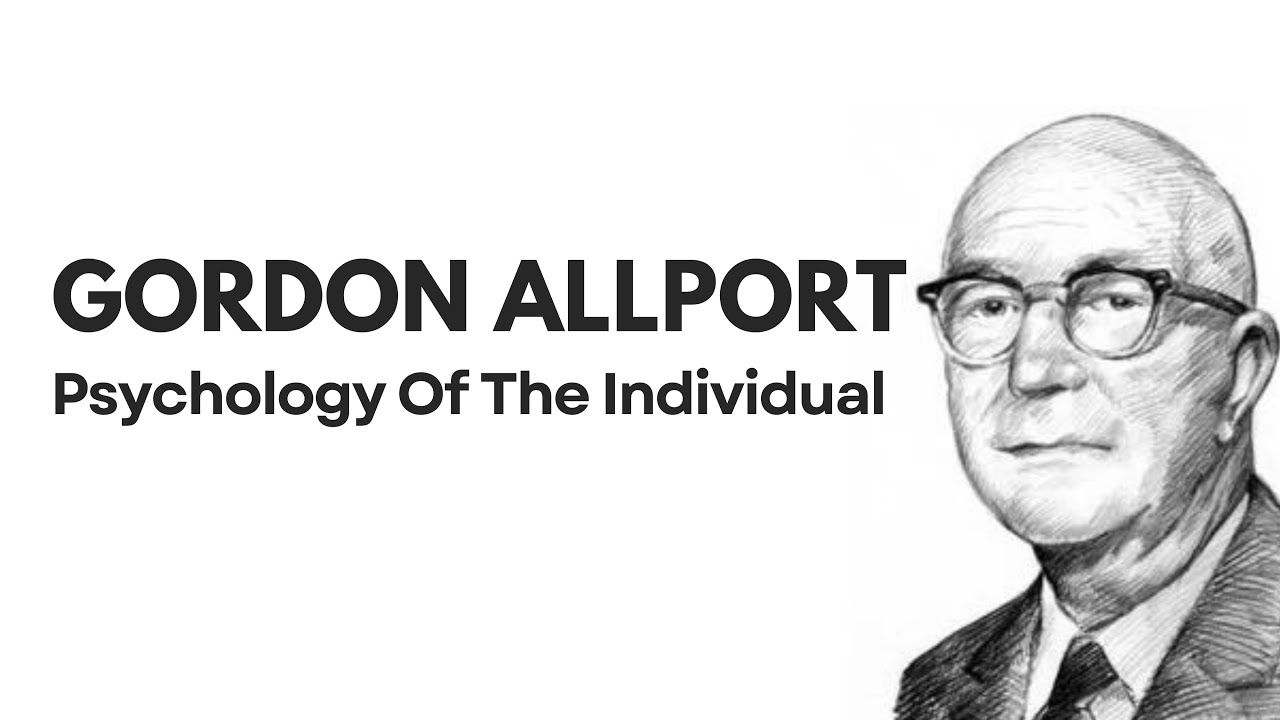
Mari Mengenal Teori Psikologi Individual Gordon Allport

KLIKVID: KEPRIB (Gordon Allport)
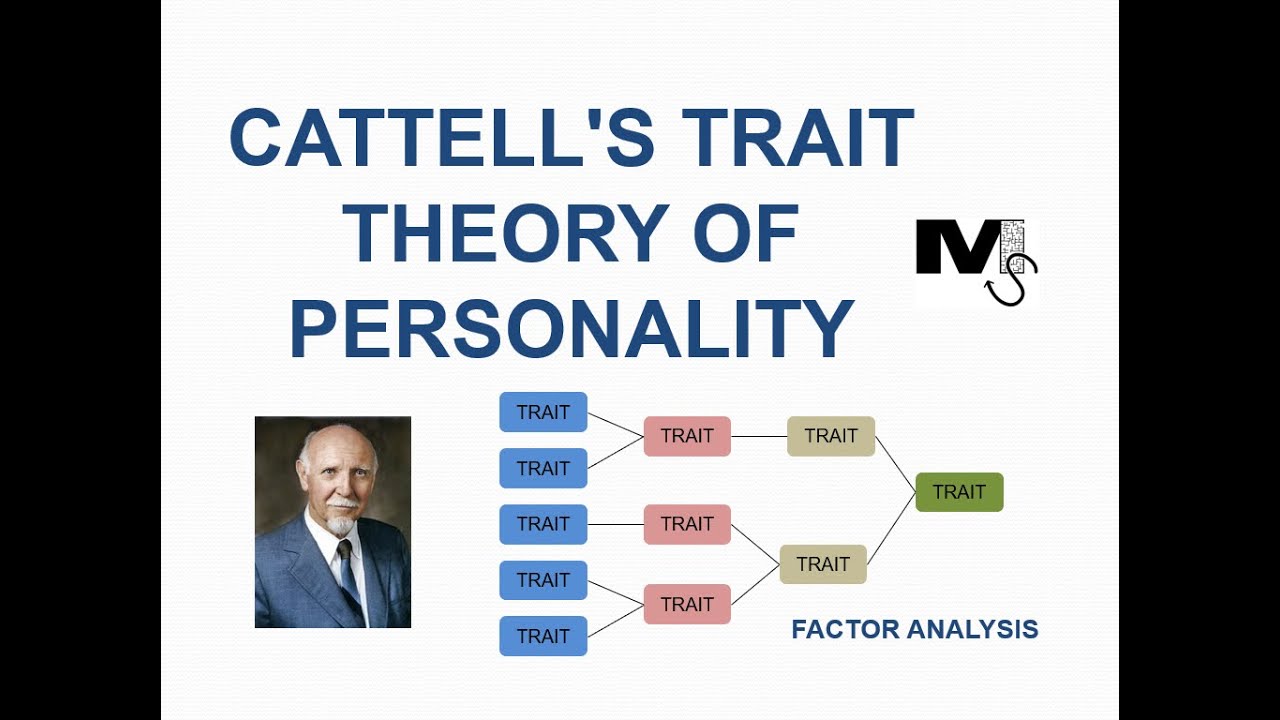
Cattell Trait Theory of Personality - Simplest Explanation Ever

Mengenal Kepribadian Manusia || Materi BK Kelas 9 Semester 1

TM-9 Psi Kepribadian (FKP)

Eysenck’s theory of the criminal - Forensic Psychology [AQA ALevel]
5.0 / 5 (0 votes)

