10 Candi Tertua di Indonesia | Wow...Ternyata yang Tertua Bukan Borobudur
Summary
TLDRThis video explores the 10 oldest temples in Indonesia, highlighting their historical, cultural, and architectural significance. From Candi Jiwa in West Java, one of the earliest Buddhist sites, to iconic landmarks like Borobudur and Prambanan in Central Java and Yogyakarta, the video details each temple's origins, religious affiliations, unique features, and contributions to early Hindu and Buddhist civilization in the archipelago. Viewers are guided through ancient structures, intricate reliefs, and the strategic locations of these sacred sites, illustrating the spread of religious practices and the evolution of Indonesian architecture over centuries, making it an insightful journey into the nation's rich cultural heritage.
Takeaways
- 😀 Indonesia is home to some of the oldest temples in Southeast Asia, reflecting early Hindu and Buddhist influence.
- 😀 Candi Menut in Magelang, built in the 9th century, is a Buddhist temple known for its three large statues and simple yet elegant architecture.
- 😀 Prambanan, a 9th-century Hindu temple complex in Yogyakarta, honors the Trimurti (Brahma, Vishnu, Shiva) and features intricate Ramayana reliefs.
- 😀 Borobudur, built between the 8th and 9th centuries by the Sailendra dynasty, is the largest Buddhist temple in Indonesia and a UNESCO World Heritage site.
- 😀 Candi Sewu, near Prambanan, consists of 249 structures and is the second-largest Buddhist temple complex in Indonesia.
- 😀 Kalasan Temple in Sleman, Yogyakarta, showcases early Buddhist architecture with unique carvings and a mix of local and Indian influences.
- 😀 Gedong Songo, a Hindu temple complex from the 8th century, consists of nine temples on the slopes of Mount Ungaran with scenic mountain views.
- 😀 Pandawa Temple in Dieng, dating back to the 7th–8th centuries, represents early Hindu worship and is connected to the Mahabharata characters.
- 😀 Gunung Wukir (Canggal) in Magelang, from the 7th century, is a Hindu temple associated with the Canggal inscription and early Shaivism in Java.
- 😀 Muara Takus in Riau and Candi Jiwa in Karawang are among Indonesia's oldest Buddhist temples, dating back as early as the 4th century, highlighting early Buddhist spread in Sumatra and West Java.
Q & A
What is the main focus of the video from Awan TV?
-The video focuses on educating viewers about the 10 oldest temples in Indonesia, highlighting their historical, cultural, and architectural significance.
Which temple is considered the oldest in Indonesia according to the video?
-Candi Jiwa, located in Batujaya, Karawang, West Java, is considered the oldest, estimated to have been built between the 4th and 7th centuries CE.
What is the historical significance of Candi Muara Takus?
-Candi Muara Takus, located in Riau, is one of the earliest Buddhist temples in Indonesia, showing early cultural exchange between local traditions and Indian influence, and serving as a religious and trade center.
Why is Candi Gunung Wukir important in Indonesian history?
-Candi Gunung Wukir, also known as Canggal, is significant for marking the early development of Hinduism in Java and preserving historical inscriptions documenting the establishment of a Shiva Lingam.
What makes Candi Pandawa unique compared to other temples?
-Candi Pandawa, located in Dieng, Central Java, is a simpler structure built from andesite stone, reflecting early Hindu architectural style and featuring a connection to the Mahabharata through its name.
Which temple is the largest Buddhist temple in Indonesia?
-Candi Borobudur in Magelang, Central Java, is the largest Buddhist temple in Indonesia, built during the 8th–9th centuries CE by the Sailendra dynasty, with nine stacked levels symbolizing the path to enlightenment.
What architectural features distinguish Candi Sewu?
-Candi Sewu, part of the Prambanan complex in Yogyakarta, consists of 249 smaller temples with a central main temple, showcasing advanced geometric planning, intricate carvings, and reflecting the spread of Mahayana Buddhism.
What is the significance of Candi Kalasan's architecture?
-Candi Kalasan, in Sleman, Yogyakarta, has fine carvings and a unique stone coating called 'fajralepa', showing a blend of local and Indian influences, and serves as evidence of early Buddhist religious and architectural development in Java.
How does Candi Prambanan reflect Hindu culture?
-Candi Prambanan, built by the Sanjaya dynasty in the 9th century, is a Hindu temple complex dedicated to the Trimurti (Brahma, Vishnu, Shiva), with elaborate reliefs depicting the Ramayana and reflecting high-level artistic and technological achievements.
Why is Candi Menut historically significant?
-Candi Menut, near Borobudur, is significant as a Buddhist temple from the 9th century with three main statues representing Buddha, Bodhisattva, and Dhamma, demonstrating early Buddhist practices and art in Central Java.
Outlines

Esta sección está disponible solo para usuarios con suscripción. Por favor, mejora tu plan para acceder a esta parte.
Mejorar ahoraMindmap

Esta sección está disponible solo para usuarios con suscripción. Por favor, mejora tu plan para acceder a esta parte.
Mejorar ahoraKeywords

Esta sección está disponible solo para usuarios con suscripción. Por favor, mejora tu plan para acceder a esta parte.
Mejorar ahoraHighlights

Esta sección está disponible solo para usuarios con suscripción. Por favor, mejora tu plan para acceder a esta parte.
Mejorar ahoraTranscripts

Esta sección está disponible solo para usuarios con suscripción. Por favor, mejora tu plan para acceder a esta parte.
Mejorar ahoraVer Más Videos Relacionados

Japanese Buddhist Architecture Explained
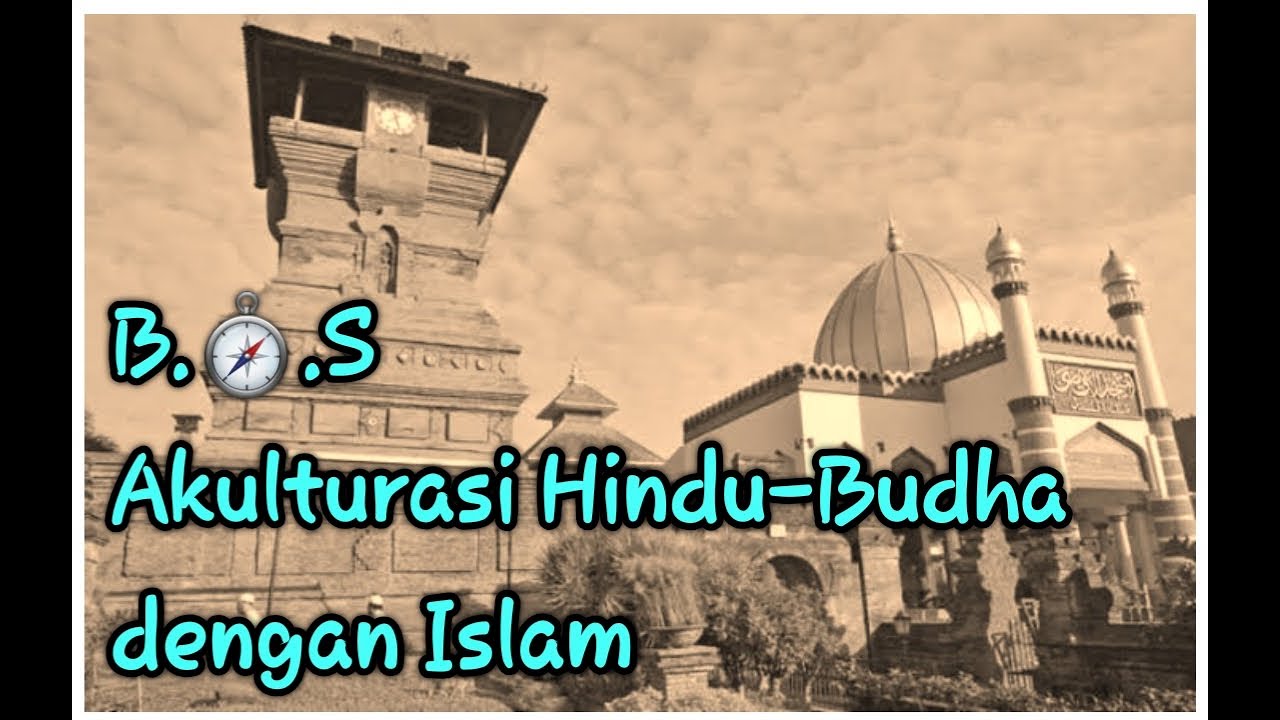
Akulturasi kebudayaan Hindu-Budha dengan Islam.

Warisan Kerajaan-kerajaan Maritim Hindu-Buddha dalam kehidupan masa kini

Peninggalan Sejarah Agama Hindu di Indonesia

Candi Peninggalan Kerajaan Singasari

UNESCO Archives Film Collection: "The World Saves Abu Simbel", 29', 1972.
5.0 / 5 (0 votes)

