Eating THIS Causes Visceral Fat Gain & Brain Inflammation in Just 5 Days
Summary
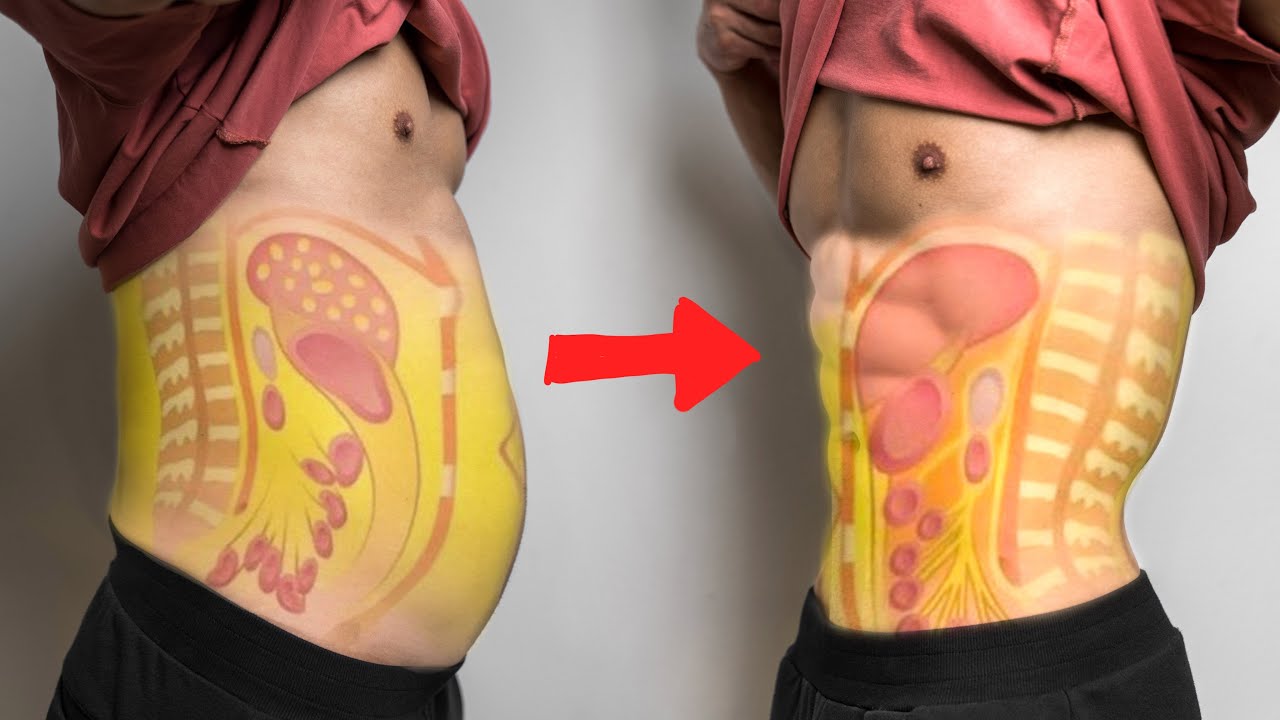
TLDRThis discussion explores the connection between visceral fat and liver fat, emphasizing the liver's role as the central point of fat accumulation. It highlights how a high-calorie, processed food diet can quickly lead to fat buildup around the liver and in the abdomen, even without significant weight gain. Additionally, the conversation delves into the impact of brain insulin resistance, which disrupts satiety signals, causing overeating and further visceral fat accumulation. The importance of diet composition, exercise, and managing insulin resistance is stressed as essential to preventing and reducing visceral fat.
Takeaways
- 🍽️ The liver is the primary 'epicenter' for fat accumulation, from which fat can spread to other organs via the portal vein.
- 🔥 Visceral fat can accumulate rapidly, even within days, without significant weight gain, especially around the liver.
- 🍩 Diet composition, particularly high sugar, high-fat, and processed foods, plays a critical role in visceral fat gain beyond just calorie intake.
- 🧠 The brain regulates satiety and energy storage through insulin signaling, acting as a 'conductor' for fat distribution.
- ⚡ High-sugar, high-calorie processed foods can cause acute brain insulin resistance in as little as five days.
- 🥪 Brain insulin resistance disrupts satiety signals, causing overeating and preferential storage of fat in the visceral area.
- 💥 Brain insulin resistance is linked to inflammation, neuronal dysfunction, and may contribute to neurodegenerative changes such as Alzheimer's disease.
- 🏋️♂️ Exercise improves insulin sensitivity, supports proper satiety signaling, and helps prevent or reverse visceral fat accumulation.
- 📊 Early visceral fat gain can occur before noticeable weight changes, making it a hidden metabolic risk.
- 🔄 Consuming ultraprocessed foods can create a vicious cycle: quick energy spikes lead to crashes, cravings, overeating, and further visceral fat accumulation.
- 🥦 Whole-food diets and mindful macronutrient composition are crucial to maintaining brain health, metabolic function, and controlling visceral fat.
- 📚 Short-term dietary changes have significant effects on fat distribution and brain insulin resistance, emphasizing the importance of diet quality, not just quantity.
Q & A
What is the relationship between visceral fat and liver fat?
-Liver fat is often the epicenter of fat accumulation, and visceral fat typically develops following liver fat deposition. Fat can then spread to other organs like the pancreas, intestines, and even the heart.
Is it possible to have visceral fat without significant weight gain?
-Yes. Studies show that even without noticeable weight gain, individuals consuming high-calorie processed foods can accumulate visceral fat and liver fat within days.
How does diet composition affect visceral fat accumulation?
-Beyond total calories, the composition of the diet—particularly high sugar and high saturated fat processed foods—promotes insulin spikes that drive visceral fat accumulation.
What role does brain insulin resistance play in fat storage?
-Brain insulin resistance disrupts satiety signaling and energy storage direction. This causes overeating and preferential storage of fat as visceral fat instead of subcutaneous fat.
Can brain insulin resistance develop quickly?
-Yes. In studies, consuming excess processed, high-sugar, high-fat calories for just five days caused measurable brain insulin resistance in healthy young men.
How does brain insulin resistance contribute to a vicious cycle of weight gain?
-When the brain becomes insulin resistant, satiety signals are blunted, leading to overeating, especially of high-glycemic processed foods. This further promotes visceral fat accumulation and liver fat.
Why is visceral fat considered more harmful than subcutaneous fat?
-Visceral fat surrounds internal organs, increasing risk for metabolic issues, inflammation, and insulin resistance. It is metabolically active and contributes to systemic health risks more than subcutaneous fat.
How can short-term dietary changes affect visceral fat?
-Even small periods of high-calorie, high-sugar, high-fat processed food intake can rapidly increase liver and visceral fat, often without noticeable changes in body weight or waist circumference.
What role does exercise play in preventing visceral fat accumulation?
-Exercise improves insulin sensitivity, helps regulate fat storage, and mitigates the effects of high-calorie, processed diets. Regular activity is essential, especially for sedentary individuals, to counteract visceral fat gain.
Are occasional indulgences in processed foods harmful?
-Occasional indulgences are generally manageable, particularly if balanced with exercise and a whole-food diet. The main risk comes from consistent daily consumption combined with sedentary behavior.
How does visceral fat accumulation relate to brain health?
-Brain insulin resistance, which drives visceral fat accumulation, is also linked to inflammation and can contribute to neurodegenerative diseases like Alzheimer’s by affecting neuron signaling and promoting pathological changes such as beta-amyloid accumulation.
Why might calorie counting alone be insufficient for preventing visceral fat?
-Because diet composition affects insulin signaling and brain response, even small excesses of high-sugar, high-fat processed foods can drive visceral fat gain independent of total caloric intake. Macronutrient quality matters alongside calories.
Outlines

Esta sección está disponible solo para usuarios con suscripción. Por favor, mejora tu plan para acceder a esta parte.
Mejorar ahoraMindmap

Esta sección está disponible solo para usuarios con suscripción. Por favor, mejora tu plan para acceder a esta parte.
Mejorar ahoraKeywords

Esta sección está disponible solo para usuarios con suscripción. Por favor, mejora tu plan para acceder a esta parte.
Mejorar ahoraHighlights

Esta sección está disponible solo para usuarios con suscripción. Por favor, mejora tu plan para acceder a esta parte.
Mejorar ahoraTranscripts

Esta sección está disponible solo para usuarios con suscripción. Por favor, mejora tu plan para acceder a esta parte.
Mejorar ahoraVer Más Videos Relacionados



5.0 / 5 (0 votes)

