YANG WAJIB KITA KETAHUI TENTANG SYIAH - Ustadz Yazid bin Abdul Qadir Jawas
Summary
TLDRThis video script critiques certain theological beliefs and practices within Shia Islam from a Sunni perspective. It highlights differences in the understanding of the Quran's preservation, the concept of Imamah (leadership by the 12 Imams), and various Shia practices such as temporary marriage (mut'ah) and the non-obligation of Jumu'ah prayers. The script also emphasizes the rejection of the Shia version of Islamic history, particularly their treatment of the Prophet Muhammad's companions. It argues that these beliefs and practices diverge from traditional Sunni Islam, with some views considered as deviations or even heretical by the speaker.
Takeaways
- 😀 The Qur'an is divinely preserved and unchanged, as stated in Surah Al-Hijr (15:9). Any claim that it has been altered contradicts this belief.
- 😀 The belief in the infallibility (Maksum) of the 12 Imams in Shia Islam is critiqued as a deviation from Sunni teachings, which view only the Prophets as infallible.
- 😀 Shia Muslims believe in Imamah (the leadership of the Imams) as an essential part of their faith, while Sunni Muslims only have six pillars of faith and do not include Imamah.
- 😀 Shia Muslims believe that the Qur'an has been altered, citing their version of the text with additional or missing surahs, but this contradicts the Quranic claim of preservation.
- 😀 The Shia rejection of many Sunni traditions and hadiths, including those in Sahih Bukhari and Sahih Muslim, is highlighted. Instead, Shia use their own texts like Al-Kafi and At-Tahzib.
- 😀 Shia Muslims reject the Sunnah (traditions of the Prophet Muhammad) unless it comes directly from the Imams, undermining the authority of other traditional Sunni sources.
- 😀 The Shia practice of temporary marriage (Mut'ah) is criticized as a form of zina (fornication) in Sunni Islam, and the belief that no wali (guardian) is required for this is deemed problematic.
- 😀 Shia loyalty to the Imams is seen as excessive, with claims that the Imams are of higher status than even the Prophets, which is considered heretical from a Sunni perspective.
- 😀 Shia Muslims honor the graves of the Imams in Karbala as sacred, even calling it a holy site more significant than Makkah or Madinah, which is critiqued as idolatrous behavior.
- 😀 The Shia view of the 12th Imam (the Mahdi) as the ultimate savior who went into occultation and will return is criticized as a belief based on superstition and unfounded claims.
Q & A
What is the main argument against the Shia belief regarding the Quran's preservation?
-The argument presented in the script is that Shia beliefs contradict the Quran's preservation as stated in Surah Al-Hijr, Ayah 9, which says that Allah Himself is responsible for protecting the Quran from any alteration. The claim that the Quran is no longer preserved is considered a rejection of this verse.
How do Shia interpretations of the Quran differ from those of Sunni Muslims?
-The Shia claim that the Quran has been altered, with differences in the number of surahs and verses. They argue that certain surahs were omitted or added according to their interpretations, such as the inclusion of a surah called 'Al-Wilayah' and the reduction of others like Surah Muawiyatain.
What is the Shia stance on the Sunnah (traditions) of the Prophet Muhammad?
-Shia Muslims reject the mainstream Sunni hadith collections like Bukhari and Muslim, instead using their own books such as Al-Kafi, Al-Istibsar, and Tahdhib. They believe that the only valid Sunnah comes from the Imams, not from the companions of the Prophet.
How does Shia Islam differ from Sunni Islam in terms of the articles of faith (rukun iman)?
-In Sunni Islam, there are six articles of faith: belief in Allah, angels, books, messengers, the Day of Judgment, and predestination. In contrast, Shia Islam includes Imamah (belief in the divinely appointed leadership of the Imams) as an essential article of faith, replacing the Sunni concept of Khilafah (caliphate).
What do Shia Muslims believe about the status of the Imams?
-Shia Muslims believe that the Imams are divinely appointed and infallible (ma'sum), meaning they cannot make mistakes or sin. This belief contrasts with Sunni Islam, which holds that only the Prophet Muhammad is infallible.
What is the significance of Imam Ali and his descendants in Shia Islam?
-Imam Ali and his descendants (the 12 Imams) hold a central and sacred role in Shia Islam. Shia Muslims view the Imams as divinely chosen leaders who possess spiritual authority over the Muslim community. This belief leads to the rejection of the legitimacy of other companions of the Prophet, such as Abu Bakr and Umar.
How do Shia Muslims view the companions of the Prophet Muhammad, particularly Abu Bakr and Umar?
-Shia Muslims generally view Abu Bakr and Umar unfavorably, considering them as usurpers of the rightful leadership of Imam Ali. The script mentions that they believe most of the companions of the Prophet became apostates (murtad) after his death, except a few like Imam Ali, Salman al-Farsi, and Abu Dharr.
What is 'Takiah' in Shia Islam, and why is it controversial?
-Takiah is the practice of concealing one’s true beliefs to avoid persecution. In Shia Islam, it is considered permissible and sometimes obligatory, especially in dangerous situations. However, this practice is seen by some as hypocritical, as it allows for deceit for the sake of safety.
How do Shia Muslims commemorate the martyrdom of Imam Husayn?
-Shia Muslims observe the mourning of Imam Husayn’s death during the month of Muharram, particularly on the 10th day, known as Ashura. They engage in public mourning, including rituals like self-flagellation and visiting the shrine of Imam Husayn in Karbala. This practice is seen as a symbol of sacrifice and resistance against oppression.
What are some key criticisms of Shia practices from a Sunni perspective, according to the script?
-Sunni critics view Shia practices as innovations (bid’ah) and deviations from the authentic teachings of Islam. Key criticisms include the rejection of many Sunni traditions, the excessive veneration of the Imams, the belief in the infallibility of the Imams, and the practice of Takiah. Additionally, the script criticizes Shia beliefs about the altered Quran and the way they engage in ritualistic acts such as worship at the graves of the Imams.
Outlines

Esta sección está disponible solo para usuarios con suscripción. Por favor, mejora tu plan para acceder a esta parte.
Mejorar ahoraMindmap

Esta sección está disponible solo para usuarios con suscripción. Por favor, mejora tu plan para acceder a esta parte.
Mejorar ahoraKeywords

Esta sección está disponible solo para usuarios con suscripción. Por favor, mejora tu plan para acceder a esta parte.
Mejorar ahoraHighlights

Esta sección está disponible solo para usuarios con suscripción. Por favor, mejora tu plan para acceder a esta parte.
Mejorar ahoraTranscripts

Esta sección está disponible solo para usuarios con suscripción. Por favor, mejora tu plan para acceder a esta parte.
Mejorar ahoraVer Más Videos Relacionados

Macam-macam aliran dalam islam? Apa saja ya?
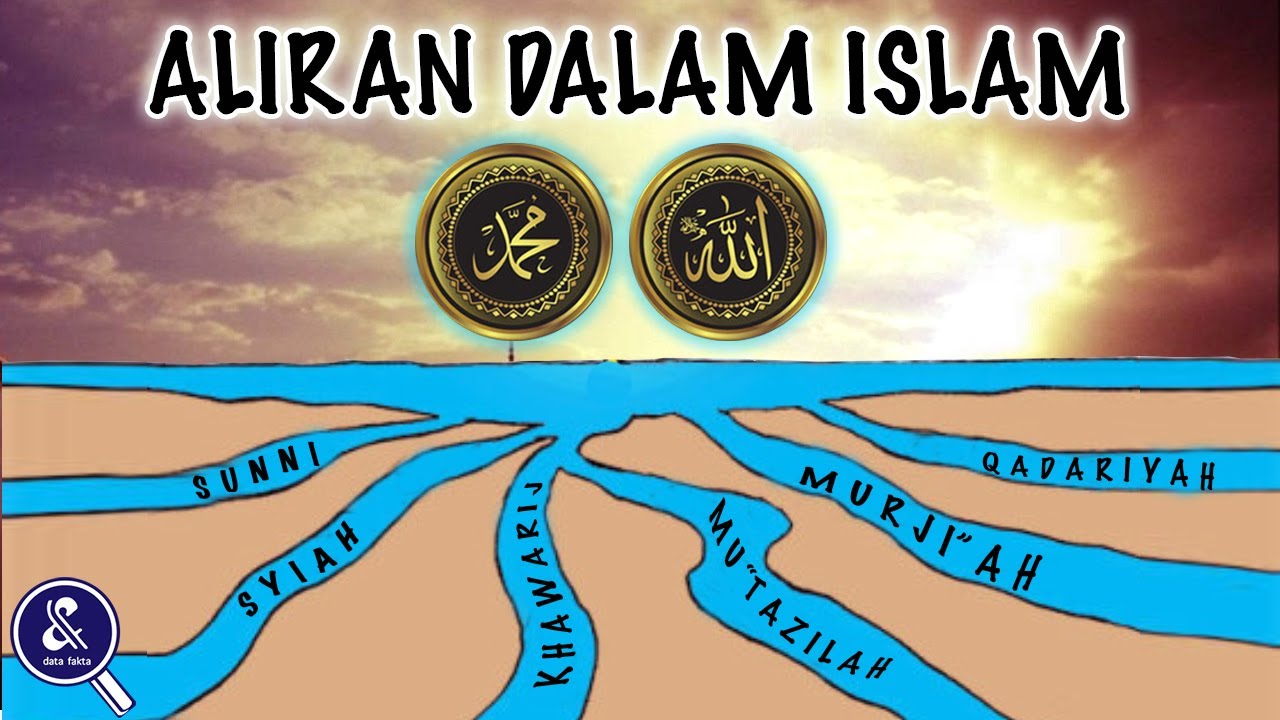
Berbeda Tapi Satu Tuhan.!! 7 Aliran Dalam Agama Islam dan Sejarahnya

10 Differences Between Shia and Sunni Muslims
Lesson 6: Islam (SHS Introduction to World Religion)
S103 Firaq Islamiah : Siri 1 Perkembangan Firaq Islamiah

Khazanah Trans 7 - Hakekat Idul Ghadir
5.0 / 5 (0 votes)

