Computer Network and Security Chapter 1 Computer Network Overview
Summary
TLDRA computer network is a system of interconnected computers and peripherals that enables information sharing. The transcript explains how networks connect via wired or wireless media and outlines key classification factors: geographical span, interconnectivity, administration, and architecture. Geographical span ranges from short Bluetooth links to global networks. Interconnectivity can be logical, physical, or both, yielding layouts such as mesh, bus, linear, star, or hybrid structures. Administratively, networks may be private (single autonomous domain) or public. Architectures include client-server, peer-to-peer, and hybrids. Finally, the script highlights network applications: resource sharing (printers, storage), email and FTP, web interaction, dynamic pages, video conferencing, instant messaging, and parallel computing, illustrating the diverse uses of computer networks.
Takeaways
- 😀 A computer network is a system of interconnected computers and peripherals, such as printers, which facilitates information sharing.
- 😀 Networks can be connected using either wired or wireless media.
- 😀 Computer networks are classified based on geographical span, interconnectivity, administration, and architecture.
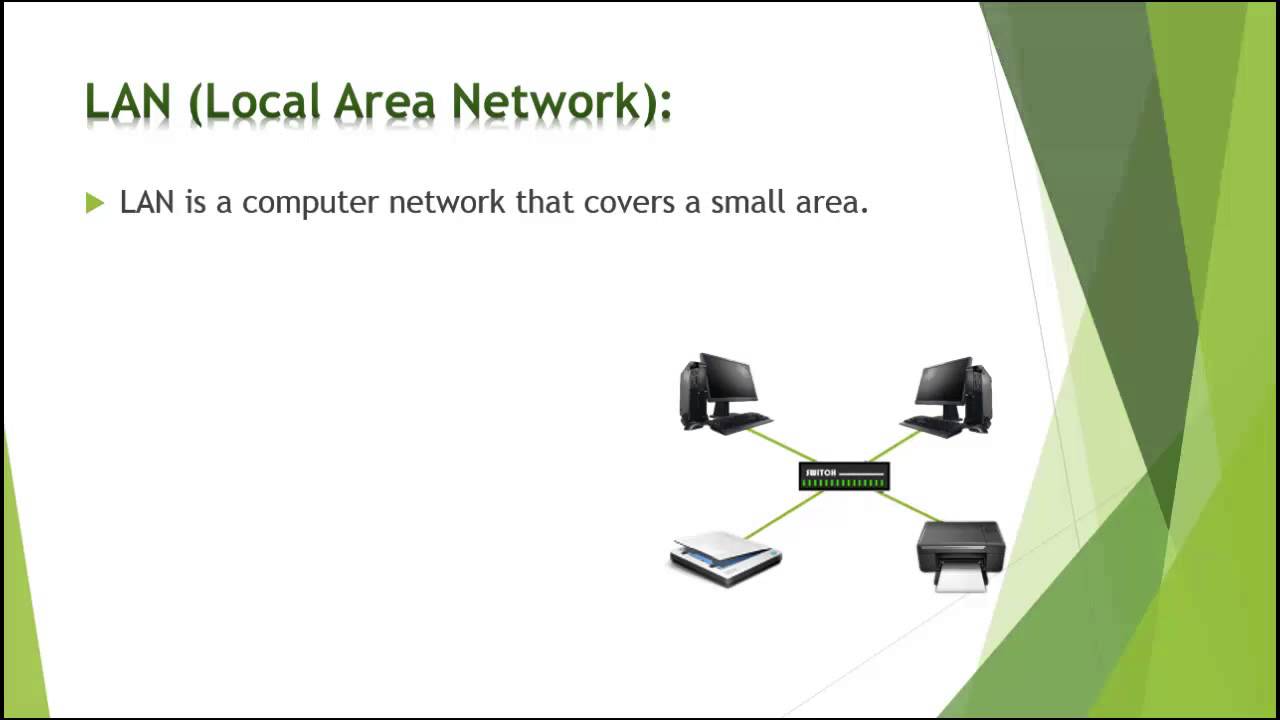
- 😀 Geographical span classifications include personal area networks (PAN), local area networks (LAN), wide area networks (WAN), and global networks.
- 😀 Interconnectivity refers to how devices in a network are connected, either logically, physically, or both.
- 😀 Network topologies include mesh, bus, linear, star, and hybrid structures, depending on how devices are connected.
- 😀 A network can be private, belonging to a single autonomous system, or public, accessible by all.
- 😀 Network architecture includes client-server, peer-to-peer, and hybrid systems.
- 😀 In client-server networks, a server processes requests from clients and provides services or resources.
- 😀 Peer-to-peer networks involve systems that connect directly without a server, acting as both client and server.
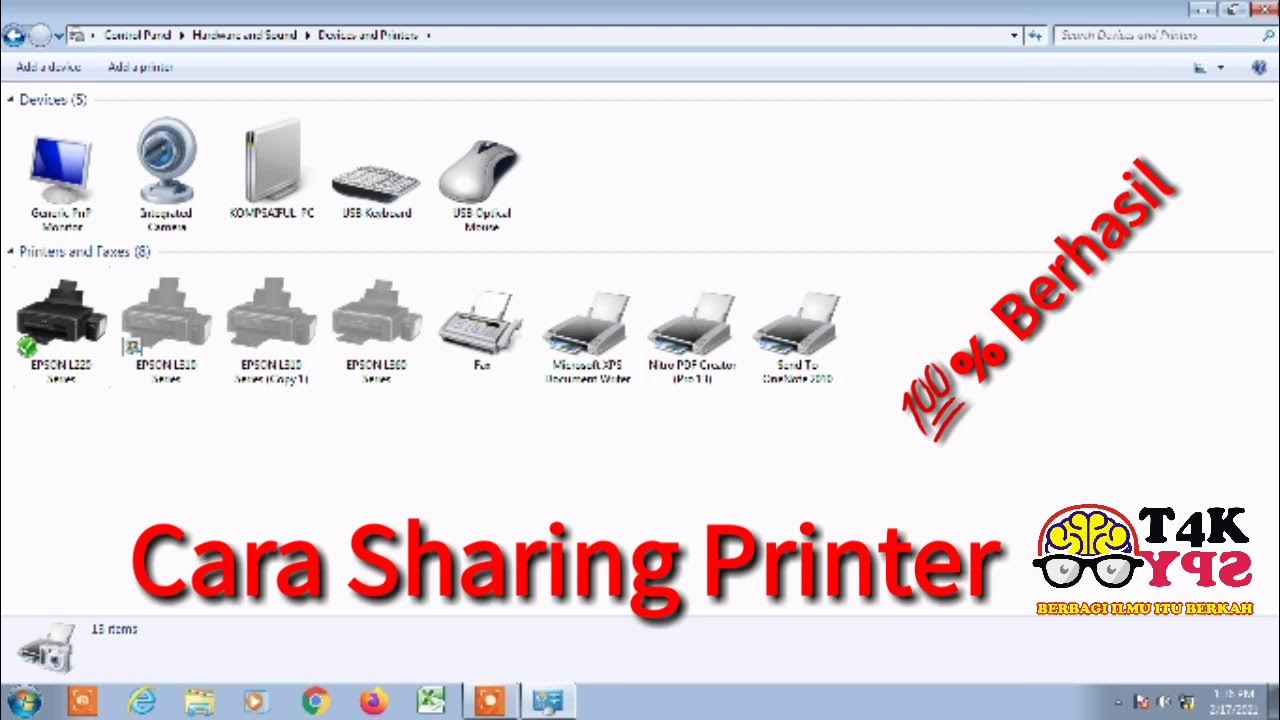
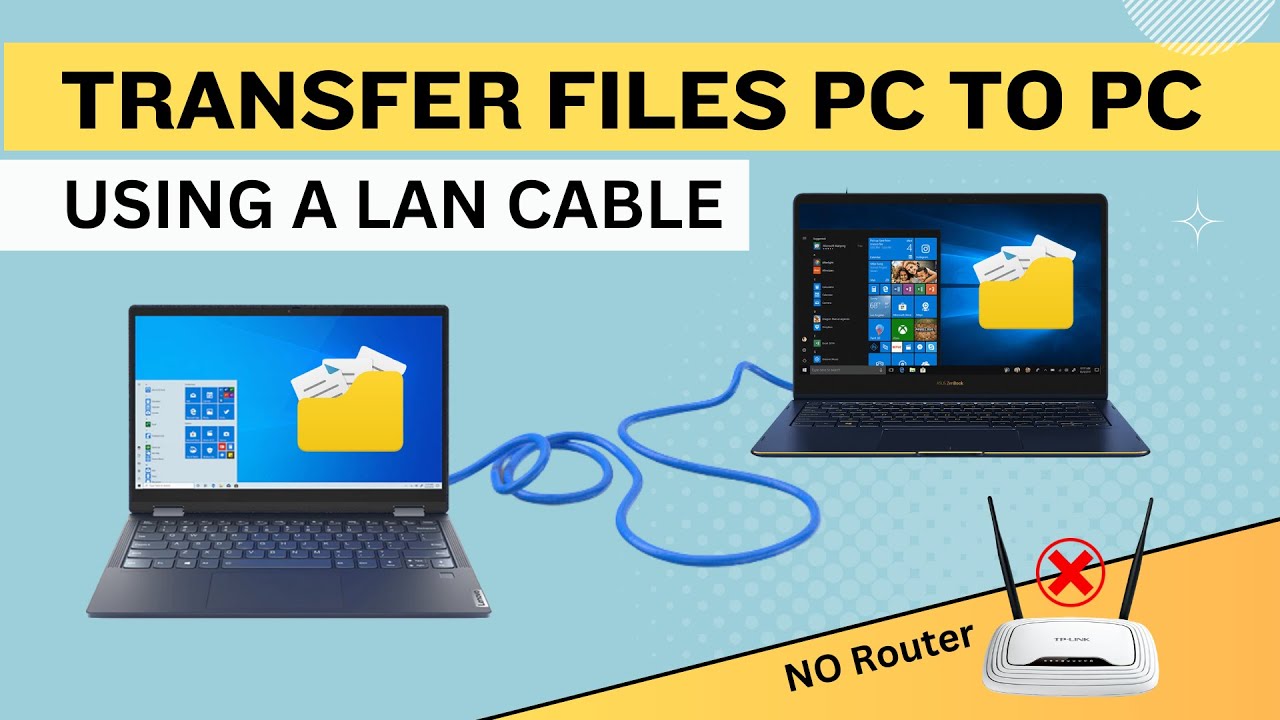
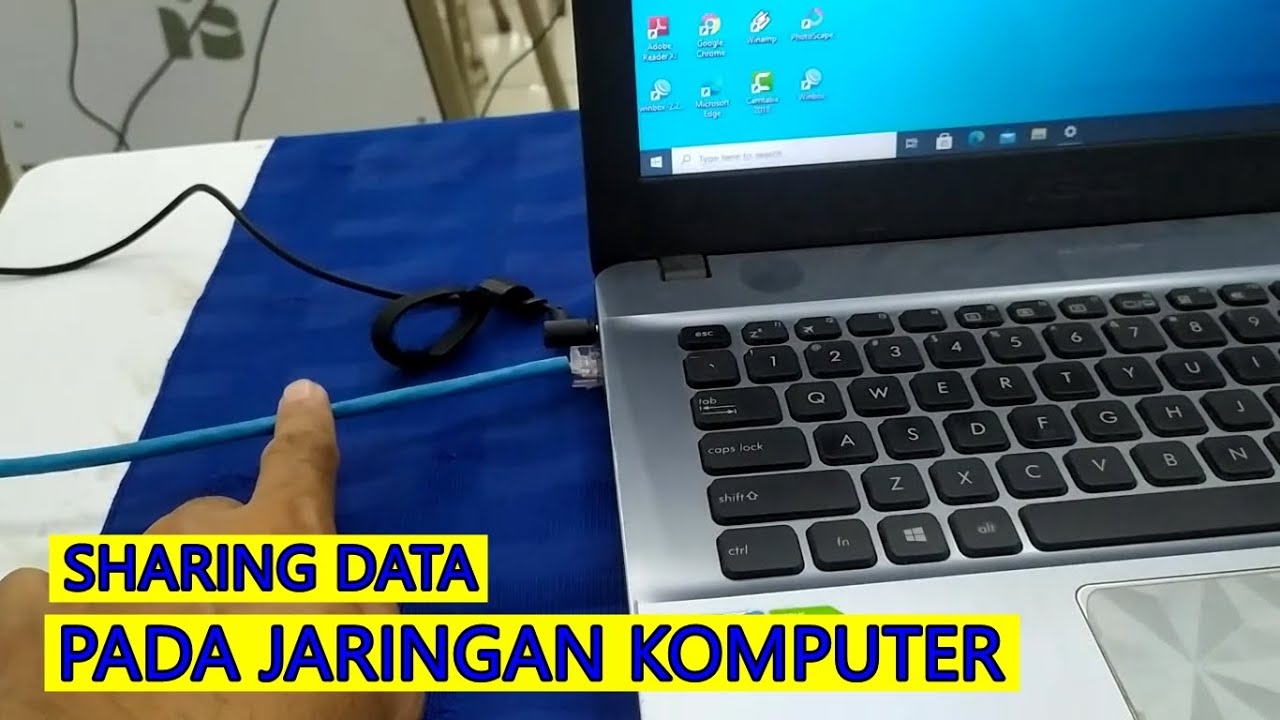
- 😀 Networks facilitate various applications such as resource sharing (printers, storage devices), communication (email, FTP, video conferencing), and interaction via the internet and dynamic web pages.
Q & A
What is a computer network?
-A computer network is a system of interconnected computers and devices (like printers) that facilitates the sharing of information among them.
How can computers connect in a network?
-Computers can connect through either wired or wireless media, depending on the network configuration.
What are the different types of computer networks based on geographical span?
-Networks can be categorized into Personal Area Network (PAN), Local Area Network (LAN), Metropolitan Area Network (MAN), Wide Area Network (WAN), and Global Network.
What is the difference between a PAN and a LAN?
-A PAN (Personal Area Network) is typically a short-range network covering a few meters (like Bluetooth devices), while a LAN (Local Area Network) spans a building or a campus and may connect multiple floors.
Can a computer network be classified by its interconnectivity? If yes, how?
-Yes, networks can be classified by interconnectivity. Types include Mesh (every device connects to every other device), Bus (devices connected via a shared medium), Linear (devices are connected in sequence), Star (devices connect to a central hub), and Hybrid (a combination of these methods).
What does the term 'administration' refer to in network classification?
-In network administration, a network can either be private (controlled by a single entity with restricted access) or public (accessible by everyone).
What is a client-server architecture?
-In a client-server architecture, there are one or more servers that process requests from clients. The client sends requests, and the server processes and serves them.
What is the difference between a client-server network and a peer-to-peer (P2P) network?
-In a client-server network, servers manage and respond to requests from clients. In a P2P network, all devices are equal, acting both as clients and servers, allowing direct communication between devices.
What is meant by 'hybrid network architecture'?
-A hybrid network architecture combines elements from both client-server and peer-to-peer networks, offering flexibility and scalability.
What are some common applications of computer networks?
-Common applications include resource sharing (like printers and storage devices), communication tools (such as email and FTP), web access, video conferencing, instant messaging, and dynamic website interaction.
Outlines

Esta sección está disponible solo para usuarios con suscripción. Por favor, mejora tu plan para acceder a esta parte.
Mejorar ahoraMindmap

Esta sección está disponible solo para usuarios con suscripción. Por favor, mejora tu plan para acceder a esta parte.
Mejorar ahoraKeywords

Esta sección está disponible solo para usuarios con suscripción. Por favor, mejora tu plan para acceder a esta parte.
Mejorar ahoraHighlights

Esta sección está disponible solo para usuarios con suscripción. Por favor, mejora tu plan para acceder a esta parte.
Mejorar ahoraTranscripts

Esta sección está disponible solo para usuarios con suscripción. Por favor, mejora tu plan para acceder a esta parte.
Mejorar ahoraVer Más Videos Relacionados


5.0 / 5 (0 votes)

