Egypt's Dam Problem: The Geopolitics of the Nile
Summary
TLDRThe Nile River, a legendary waterway crucial to Egypt's development, faces complex challenges due to shifting political dynamics and water scarcity. While Egypt has historically controlled the river’s flow, Ethiopia is reshaping its future with the Grand Ethiopian Renaissance Dam, a project that promises to provide electricity to millions. Tensions over the dam have led to conflict risks, but the situation could evolve into a mutually beneficial partnership if countries work together. This video explores how cooperation, not conflict, could unlock the Nile's full economic potential for the entire region.
Takeaways
- 😀 The Nile River is one of the most legendary and significant waterways in the world, impacting multiple countries in Africa.
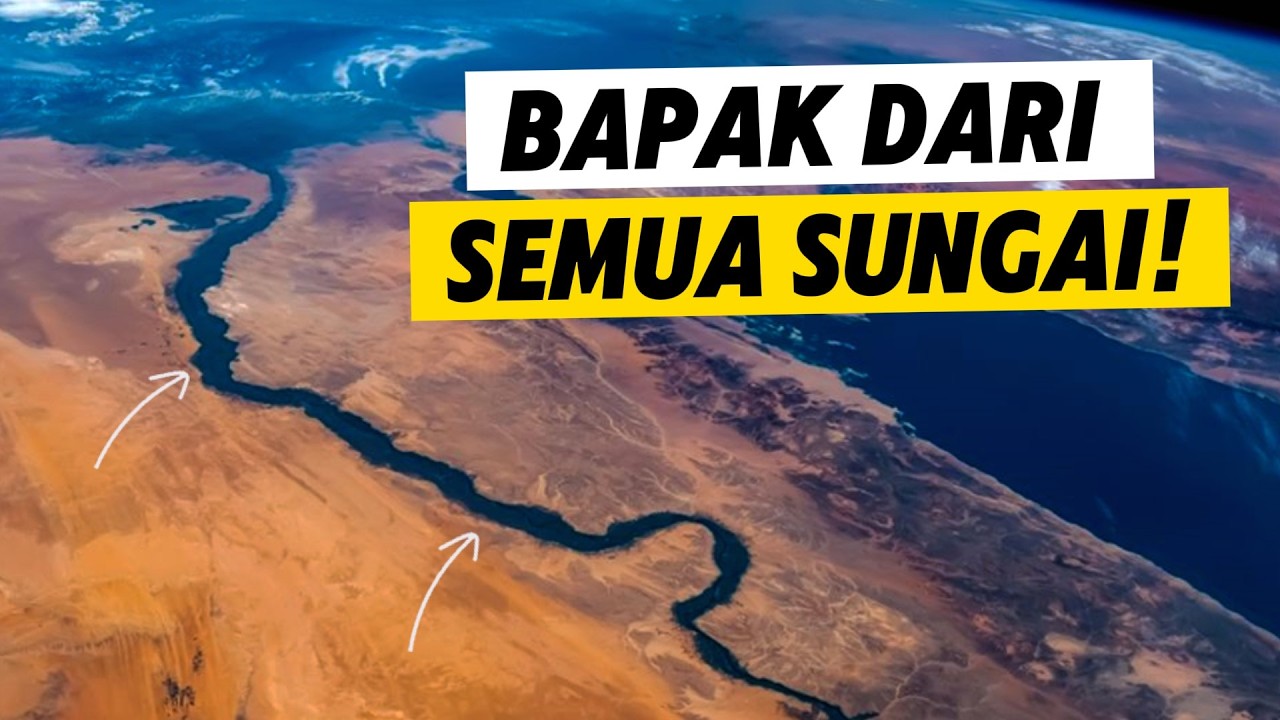
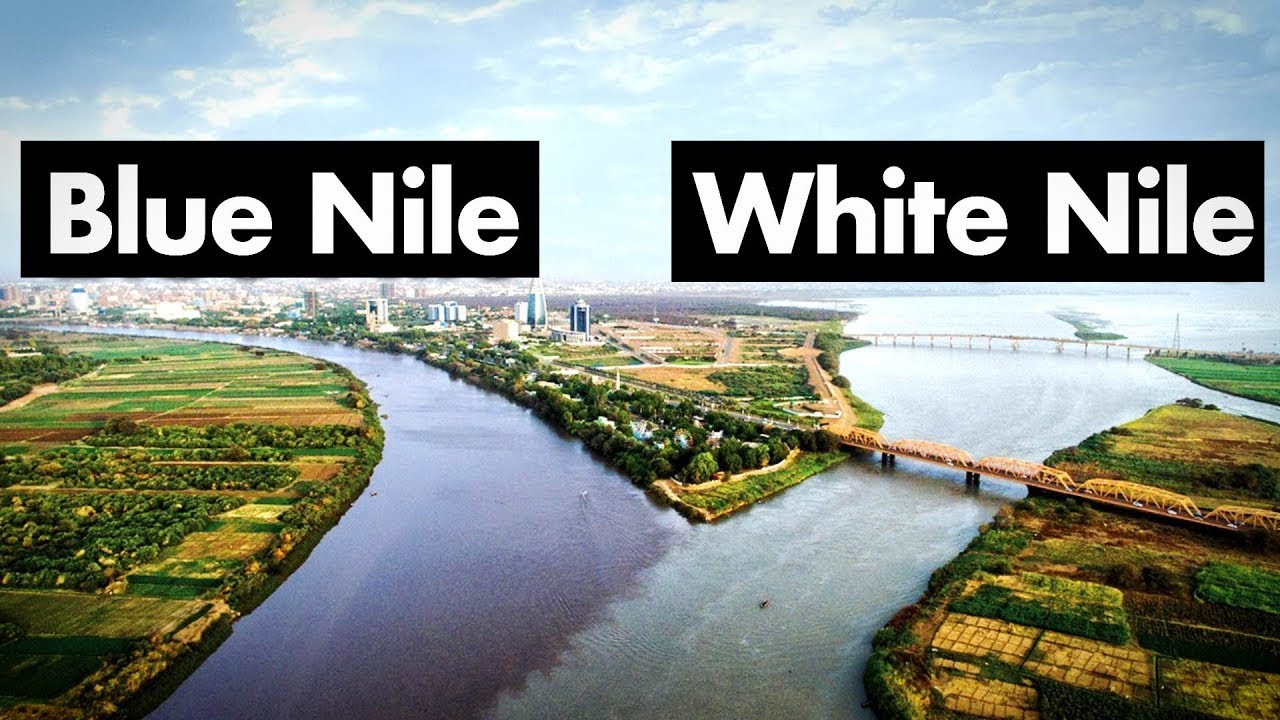
- 🌍 The river originates from the White Nile in Uganda, and the Blue Nile in Ethiopia, both of which converge in Sudan to form the Nile proper.
- 💧 Egypt is highly dependent on the Nile, with 95% of its population living along its banks and 97% of its freshwater coming from the river.
- 🏺 Ancient Egypt's agricultural success was heavily tied to the annual flooding of the Nile, which fertilized the land for crops.
- 🌱 Ethiopia, upstream from Egypt, has abundant rainfall, with much of its population depending less on the Nile compared to Egypt and Sudan.
- ⛏️ Ethiopia’s economy has grown rapidly, especially since 2004, due to infrastructure investments, including the Grand Ethiopian Renaissance Dam (GERD).
- ⚡ The GERD, once complete, will be the 8th largest hydroelectric power facility in the world, offering a major power surplus to Ethiopia.
- 💰 Ethiopia plans to become a key energy exporter in Africa, potentially earning $1 billion annually by selling electricity to neighboring countries.
- ⚔️ Egypt views the GERD as a significant threat, fearing that Ethiopia could control the flow of water, particularly during the filling of the dam's reservoir.
- 🤝 A potential solution to the conflict over Nile water usage could be cooperation, similar to the Senegal River Basin Development Authority, which has managed water resources jointly for the benefit of multiple countries.
- 🔮 The future of Nile River management holds two possibilities: either cooperation among Egypt, Sudan, and Ethiopia or continued conflict that could destabilize the region.
Q & A
What is the primary origin of the Nile River?
-The Nile River originates in the Ugandan side of Lake Victoria, although its exact source is still debated due to the convoluted nature of its tributaries.
How does the Nile River impact Egypt's population?
-Around 95% of Egypt's population lives within the narrow strip of land along the Nile River, highlighting the river's central role in the country’s settlement and economy.
What is the significance of the flooding of the Nile for ancient Egyptian society?
-The annual flooding of the Nile fertilized the soil, enabling productive agriculture, which was crucial for Egypt's societal advancements and the development of technology.
How does Ethiopia’s geographic environment differ from Egypt and Sudan in terms of rainfall?
-Ethiopia receives significantly more rainfall than Egypt or Sudan, especially in its southern and highland regions, which helps sustain its own water sources independent of the Nile.
What historical agreements have shaped Egypt’s control over the Nile River?
-The 1929 and 1959 agreements between Egypt and Sudan, with Egypt being given veto power over upstream projects and control over 66% of the Nile's flow, established Egypt as the primary authority on the river.
Why has Ethiopia been excluded from these agreements concerning the Nile?
-Ethiopia was never part of the treaties, as it was not involved in the colonial negotiations that led to the agreements in 1929 and 1959, despite being the primary source of the Nile’s water.
What is the Grand Ethiopian Renaissance Dam and why is it important?
-The Grand Ethiopian Renaissance Dam is a large hydroelectric project in Ethiopia that will be the eighth-largest in the world, providing energy and economic opportunities for Ethiopia and potentially for neighboring countries.
How will the Grand Ethiopian Renaissance Dam benefit Ethiopia's economy?
-The dam will not only fulfill Ethiopia's energy needs but also provide a surplus that can be exported to neighboring countries, enhancing Ethiopia's economy through energy sales and improved rural productivity.
What are Egypt's concerns regarding the construction and operation of the Grand Ethiopian Renaissance Dam?
-Egypt views the dam as an existential threat, fearing that Ethiopia’s control over the river could reduce the water supply to Egypt, negatively affecting agriculture, drinking water, and electricity generation.
How could the Nile River become a tool for regional cooperation, rather than conflict?
-If Egypt, Ethiopia, and Sudan can cooperate on managing the Nile's resources, they could potentially create a mutually beneficial system, ensuring sustainable water usage, energy production, and economic growth for all countries involved.
Outlines

Esta sección está disponible solo para usuarios con suscripción. Por favor, mejora tu plan para acceder a esta parte.
Mejorar ahoraMindmap

Esta sección está disponible solo para usuarios con suscripción. Por favor, mejora tu plan para acceder a esta parte.
Mejorar ahoraKeywords

Esta sección está disponible solo para usuarios con suscripción. Por favor, mejora tu plan para acceder a esta parte.
Mejorar ahoraHighlights

Esta sección está disponible solo para usuarios con suscripción. Por favor, mejora tu plan para acceder a esta parte.
Mejorar ahoraTranscripts

Esta sección está disponible solo para usuarios con suscripción. Por favor, mejora tu plan para acceder a esta parte.
Mejorar ahoraVer Más Videos Relacionados
Sungai Nil: Keajaiban Alam Dan Sejarah Panjang Di Afrika
Ancient Egypt The Gift of The Nile - How the Nile impacted Ancient Egypt Song for kids

Egypt's Massive Potential, Wasted
How the Nile Can Provide Life and Divide Nations | Part I

تسريبات..صفقة حصار جيش مصر والأردن..أمريكا تضرب خطوط الإمداد وإسـرائيل تهاجم؟! #خمسينة_اقتصاد
How the Nile Can Provide Life and Divide Nations | Part II
5.0 / 5 (0 votes)

