ICT - Trading Plan Development 6
Summary
TLDRThis video delves into advanced short-term trading strategies using the Market Maker Profile, focusing on how to identify key price levels, support/resistance zones, and reversal patterns. The strategy emphasizes understanding price action through fractal patterns, smart money accumulation, and market structure breaks. Traders are guided on how to spot buy and sell models within both bullish and bearish market conditions, with particular attention to optimal trade entries and risk management. The approach highlights the importance of patience, discipline, and adapting to dynamic price movements to maximize trading opportunities.
Takeaways
- 😀 Smart money, represented by large institutional players, often accumulates positions during periods of consolidation and can impact market movements significantly.
- 😀 The concept of market structure is central to understanding price action, with swings and retracements being key indicators for setting up trades.
- 😀 The Market Maker Profile relies on price action patterns, such as buying near support and selling near resistance, to anticipate future price movements.
- 😀 Identifying fractals, like consolidation followed by a breakout or breakdown, helps traders understand potential reversals or continuations in the market.
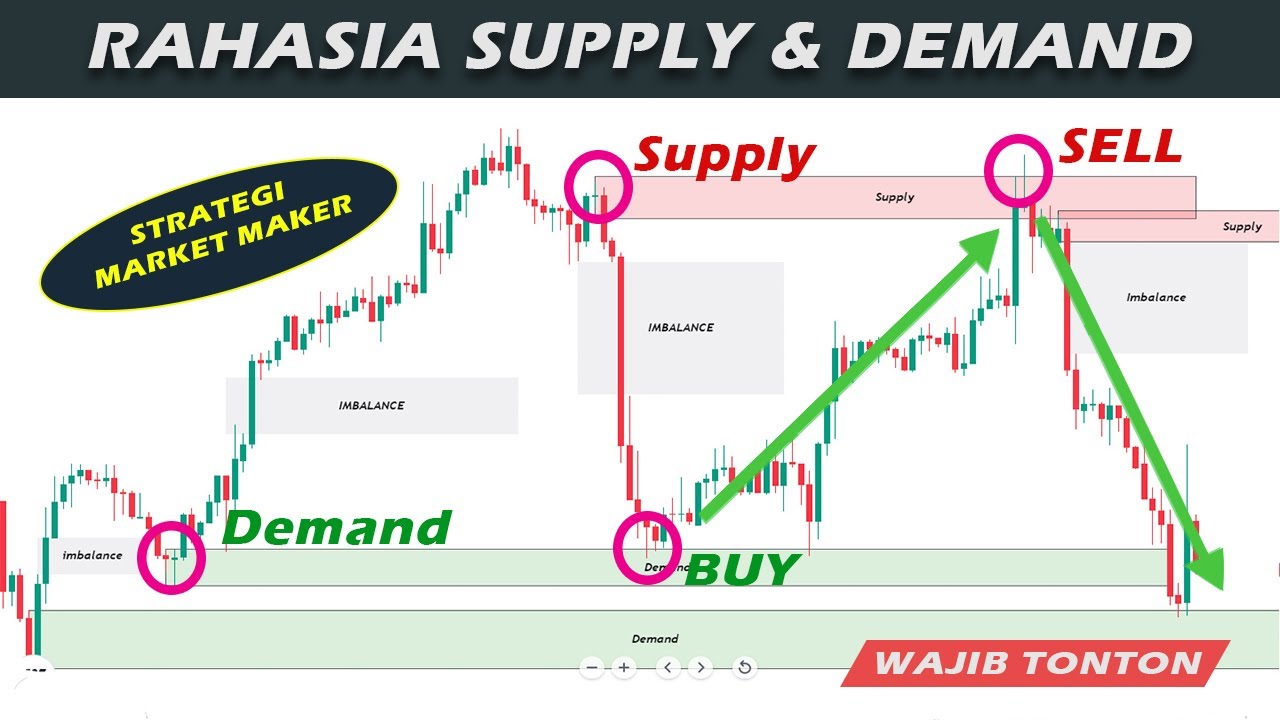
- 😀 The buy model is often seen when price moves up from consolidation to reach higher levels, testing and breaking previous resistance before continuing upward.
- 😀 The sell model involves price moving down from resistance levels, breaking through support and finding further selling opportunities as it reaches lower levels.
- 😀 When trading, it's crucial to wait for price to retrace and find support or resistance at key levels before entering a trade, ensuring alignment with the overall trend.
- 😀 Short-term trading in sync with higher timeframes (e.g., using a 15-minute chart based on a daily market structure) allows for better anticipation of price moves.
- 😀 The idea of 'smart money' suggests that large market players will make gradual moves rather than sudden jumps to avoid drawing attention and manipulating prices.
- 😀 Market makers use smaller ranges for accumulation and distribution of positions, which creates patterns that traders can observe and use for profitable trades.
Q & A
What is the concept of a 'market maker profile'?
-The 'market maker profile' refers to the trading patterns and behaviors of institutional traders or 'smart money.' It describes how price moves in reaction to the accumulation and distribution of large positions by these entities. The market maker profile focuses on how price action unfolds during consolidations, breaks, and retracements, giving traders insights into potential price movements based on market structure.
How does the 'smart money' influence the market according to the transcript?
-In the transcript, 'smart money' refers to institutional players like central banks and large dealers. These entities influence the market by accumulating positions during periods of consolidation. They do so gradually, in a way that prevents significant price moves that could attract public attention. Their actions are typically reflected in price retracements, breakouts, and accumulation phases, which provide clues for short-term trading opportunities.
What role does support and resistance play in the described trading strategy?
-Support and resistance levels are key elements of the described trading strategy. These levels help identify potential entry and exit points for trades. When price reaches a significant support or resistance level, it may either reverse or break through, offering traders an opportunity to either buy or sell. The strategy emphasizes waiting for price action to unfold at these levels, looking for confirmation of reversals or breakouts.
Why is the concept of 'reversal trading' emphasized over trend-following in this module?
-Reversal trading is emphasized because it involves a more refined approach to reading price action, especially at key support and resistance levels. Unlike trend-following, which tends to be easier and more straightforward, reversal trading requires a deeper understanding of market structure, the ability to identify key price levels, and the confidence to trade against the prevailing trend. This type of trading is more nuanced but can be highly rewarding when done correctly.
What is the significance of the 101.50 level in the Australian Dollar example?
-The 101.50 level is highlighted as a critical support and resistance level on the Australian Dollar chart. It serves as a key pivot point where price has historically reacted in both directions. The level is used as a reference for identifying potential buy or sell opportunities based on whether price approaches, breaks, or reverses at this level. The level's importance is emphasized because it aligns with a 50% retracement of the range between the low and high of a previous price swing.
How does the 'Tyrannosaurus Rex' analogy relate to market movements?
-The 'Tyrannosaurus Rex' analogy is used to illustrate how 'smart money' (institutional players) accumulates positions in the market. The analogy likens smart money to a large dinosaur slowly entering the pool (market), causing a noticeable shift in price action. Just like the dinosaur entering the water, institutional buying creates a demand that moves the market, but the movement is gradual to avoid drawing too much attention. This slow and deliberate accumulation is how smart money operates, and it sets the stage for potential price moves.
What is the difference between short-term trading and reversal trading as explained in the video?
-Short-term trading typically involves trend-following strategies using indicators like moving averages (e.g., 18 and 40 EMAs). In contrast, reversal trading, which is the focus of the video, is about identifying key support and resistance levels and trading based on price reversals at those levels. Reversal trading requires a more in-depth understanding of market behavior, as it involves anticipating when the market will change direction, rather than simply following the prevailing trend.
How can traders anticipate a price reversal using the market maker profile?
-Traders can anticipate a price reversal by observing the formation of market maker profiles at key support or resistance levels. These profiles often involve a consolidation period, followed by a breakout or breakdown. The reversal occurs when price moves in the opposite direction after testing a support or resistance level, often accompanied by a decrease in demand for buying or selling. Traders can look for these patterns in lower time frames to capture short-term moves.
What is the 'optimal trade entry' and how is it used in the strategy?
-The 'optimal trade entry' (OTE) refers to a price level that is considered the most favorable for entering a trade. It is typically based on retracements within a larger price move, such as a 62% or 79% Fibonacci retracement level. In the strategy, traders wait for price to retrace into the OTE zone after a market structure break or a consolidation. Once price enters this zone, it is seen as an opportunity to enter a trade in the direction of the anticipated market move.
Why is it important to take profits at logical levels in reversal trading?
-Taking profits at logical levels is crucial because market behavior can be unpredictable, and price may reverse before reaching the target. In reversal trading, if price fails to reach a predicted level (like a higher time frame resistance), traders need to lock in profits when the market shows signs of exhaustion. By taking profits early, traders avoid the risk of price reversing sharply, ensuring they capture gains while minimizing potential losses.
Outlines

Esta sección está disponible solo para usuarios con suscripción. Por favor, mejora tu plan para acceder a esta parte.
Mejorar ahoraMindmap

Esta sección está disponible solo para usuarios con suscripción. Por favor, mejora tu plan para acceder a esta parte.
Mejorar ahoraKeywords

Esta sección está disponible solo para usuarios con suscripción. Por favor, mejora tu plan para acceder a esta parte.
Mejorar ahoraHighlights

Esta sección está disponible solo para usuarios con suscripción. Por favor, mejora tu plan para acceder a esta parte.
Mejorar ahoraTranscripts

Esta sección está disponible solo para usuarios con suscripción. Por favor, mejora tu plan para acceder a esta parte.
Mejorar ahoraVer Más Videos Relacionados
The Secrets of Market Logic | Smart Money Concept, Supply & Demand, Beginner | Market Maker Logic

Weekly Market Outlook | Index Futures & Forex Livestream

Master Fibonacci Time Zones! (Intraday Forex Trading Strategy)

ICT Supplemental Session 01 - Mastering High Probability Scalping

Volume Profile

TESLA Stock - TSLA To $375 or $325 Next?
5.0 / 5 (0 votes)

