Data Fragmentation Explained: Horizontal, Vertical & Hybrid Techniques
Summary
TLDRData fragmentation is a technique used in distributed databases to break down large datasets into smaller, more manageable fragments, stored across multiple locations for efficient access. It improves query performance, parallel processing, reduces network traffic, enhances availability, and boosts security. There are three main types: horizontal fragmentation (based on rows), vertical fragmentation (based on columns), and hybrid fragmentation (a combination of both). The right fragmentation strategy depends on the system's needs and query patterns, improving performance, scalability, and data management in distributed systems.
Takeaways
- 😀 Data fragmentation is a technique used to distribute a database across multiple sites for improved access and performance.
- 😀 It breaks down a database into smaller, manageable fragments to be stored at different locations in a distributed system.
- 😀 Key benefits of data fragmentation include improved query performance, parallel processing, reduced network traffic, enhanced data availability, and better security.
- 😀 Horizontal fragmentation divides a table by rows, based on specific criteria, and can be reconstructed by using the union operation.
- 😀 An example of horizontal fragmentation is splitting an employee table into fragments based on employee location, such as New York and Chicago.
- 😀 Vertical fragmentation splits a table by columns, grouping related attributes together and ensuring the primary key is included in all fragments.
- 😀 Vertical fragmentation is ideal for attribute-focused queries and can be reconstructed by using the join operation.
- 😀 Hybrid fragmentation combines both horizontal and vertical fragmentation to provide more precise data distribution and support complex queries.
- 😀 Hybrid fragmentation requires both join and union operations for reconstruction, and it is the most complex to implement.
- 😀 The choice of fragmentation technique depends on query patterns, data distribution needs, and system architecture to optimize performance, availability, and scalability.
- 😀 The right fragmentation strategy is crucial for maximizing the efficiency of distributed database systems.
Q & A
What is data fragmentation in the context of distributed databases?
-Data fragmentation is the process of breaking a large logical database into smaller, more manageable pieces called fragments. These fragments are stored at different locations in a distributed database system to optimize access and performance.
How does data fragmentation improve query performance?
-By dividing the data into smaller fragments, queries can target specific subsets of data, leading to faster results. This reduces the amount of data that needs to be processed at once.
What is parallel processing in data fragmentation?
-Parallel processing involves executing queries across multiple fragments simultaneously, often on different sites, which speeds up the overall query execution time.
Why does data fragmentation reduce network traffic?
-Data is stored closer to where it is needed, minimizing the amount of data that needs to be transferred across the network. This reduces the overall load and enhances performance.
What are the key benefits of using data fragmentation in a distributed database?
-Key benefits include improved query performance, parallel processing of queries, reduced network traffic, enhanced data availability, and better security through data isolation.
Can you explain horizontal fragmentation with an example?
-Horizontal fragmentation splits a table by rows. For example, an employee table could be fragmented by location, with one fragment for employees in New York and another for employees in Chicago. Each fragment contains a subset of the rows based on certain criteria (e.g., location).
What is the difference between horizontal and vertical fragmentation?
-Horizontal fragmentation divides the table by rows, while vertical fragmentation divides the table by columns. Horizontal fragmentation is typically used for location-based queries, while vertical fragmentation is used for attribute-based queries.
How is the complete original table reconstructed in horizontal fragmentation?
-To reconstruct the original table from horizontal fragments, a **union** operation is used to combine all the fragments back into a single table.
How does vertical fragmentation work with attributes?
-Vertical fragmentation divides a table by columns, grouping related attributes together. For example, one fragment may contain personal information like employee ID and name, while another fragment may contain work-related information like department and location. The original table is reconstructed by joining the fragments.
What is hybrid fragmentation, and when is it useful?
-Hybrid fragmentation combines both horizontal and vertical fragmentation to achieve more granular data distribution. It is useful when you need to optimize for complex queries that require both row and column-based data access. Hybrid fragmentation typically involves applying vertical fragmentation followed by horizontal fragmentation (or vice versa).
Outlines

Esta sección está disponible solo para usuarios con suscripción. Por favor, mejora tu plan para acceder a esta parte.
Mejorar ahoraMindmap

Esta sección está disponible solo para usuarios con suscripción. Por favor, mejora tu plan para acceder a esta parte.
Mejorar ahoraKeywords

Esta sección está disponible solo para usuarios con suscripción. Por favor, mejora tu plan para acceder a esta parte.
Mejorar ahoraHighlights

Esta sección está disponible solo para usuarios con suscripción. Por favor, mejora tu plan para acceder a esta parte.
Mejorar ahoraTranscripts

Esta sección está disponible solo para usuarios con suscripción. Por favor, mejora tu plan para acceder a esta parte.
Mejorar ahoraVer Más Videos Relacionados

Distributed Database in DBMS | Learn Coding

Pengertian Data dan Basis Data | Basis Data
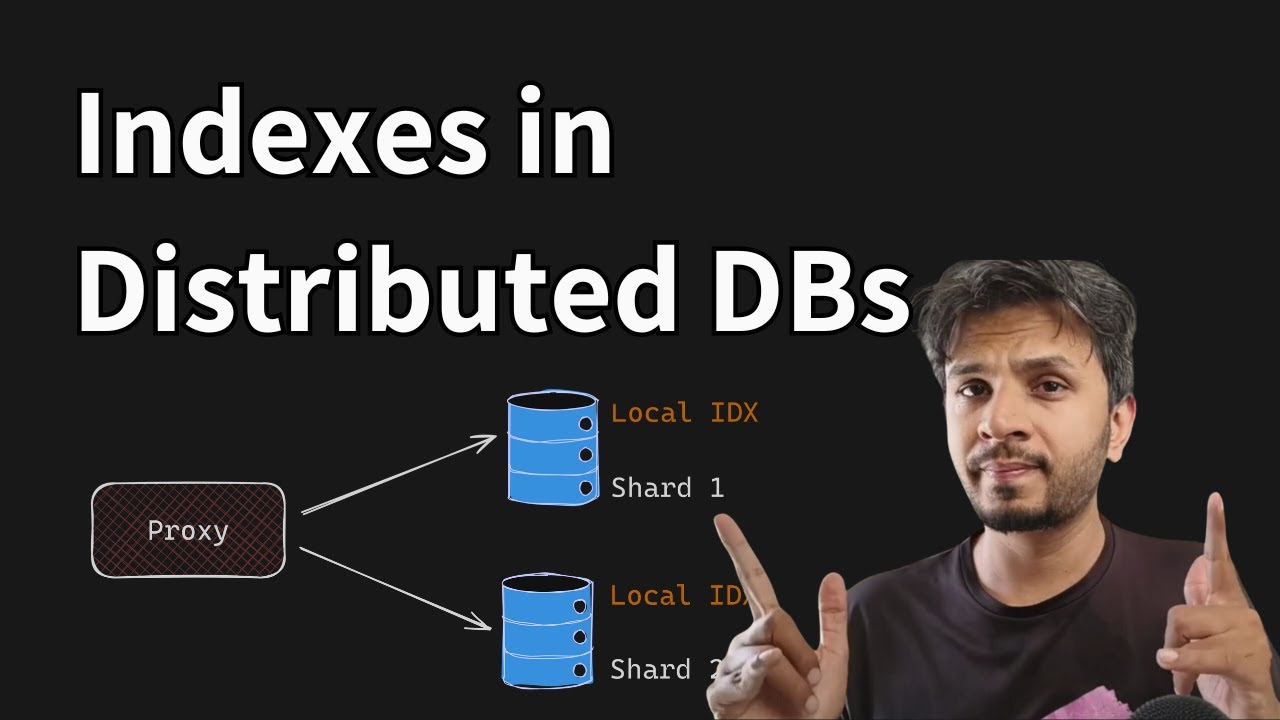
How indexes work in Distributed Databases, their trade-offs, and challenges

What is MapReduce♻️in Hadoop🐘| Apache Hadoop🐘

What is HDFS | Name Node vs Data Node | Replication factor | Rack Awareness | Hadoop🐘🐘Framework

SQL Journey 1: Database Introduction (The First Step towards Database Learning)
5.0 / 5 (0 votes)

