Module 4 (Part 1)
Summary
TLDRThis Science 11 lecture explores reproductive cycles and patterns in living systems, with a focus on mitosis, meiosis, and cellular reproduction. The lecture reviews key processes like the cell cycle and provides an in-depth look at various life cycles, including haplontic, diplohaplontic, and diplontic. It also discusses patterns in plant and animal development and social organization in insects. Additionally, the lecture highlights the importance of genetic integrity in cell division, with cancer as a potential result of errors. The overall goal is to help students understand complex biological processes and the cycles that govern living systems.
Takeaways
- 😀 The lecture covers reproductive cycles and patterns in living systems, focusing on the cellular level of organisms.
- 😀 Students are encouraged to write down new terms related to cellular biology for better understanding.
- 😀 The first part of the lecture reviews the cell cycle, including mitosis and meiosis, which were previously covered in basic biology.
- 😀 The cell cycle is divided into two major phases: Interphase (G1, S, G2) and the Mitotic phase (M phase), with mitosis being a key process in cellular reproduction.
- 😀 Mitosis results in two diploid daughter cells, maintaining the same chromosome number as the parent cell.
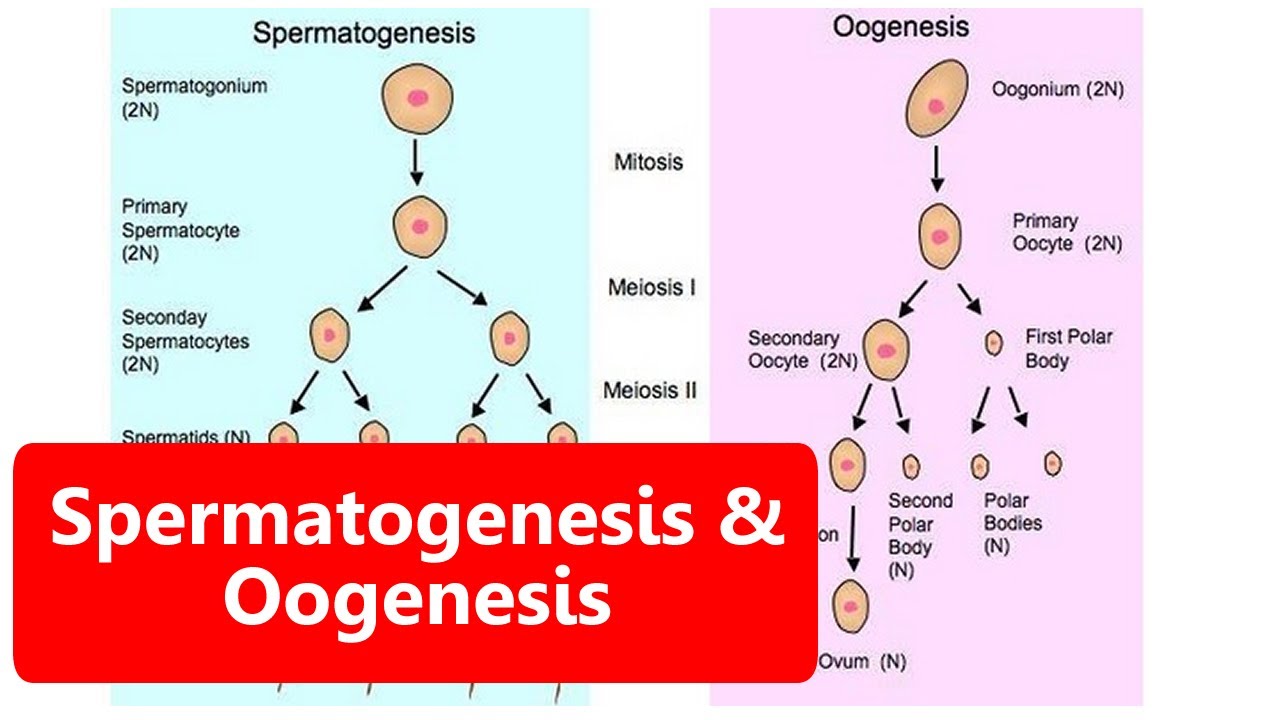
- 😀 Meiosis involves two rounds of division, reducing the chromosome number by half, resulting in four haploid cells necessary for sexual reproduction.
- 😀 Mitosis and meiosis share similarities in that they both involve genetic material replication and the production of new cells, but they differ in the number of divisions and the resulting cells.
- 😀 In animals, mitosis ends with the formation of a cell furrow during telophase, while in plants, a cell plate forms, leading to a new cell wall between daughter cells.
- 😀 The lecture highlights the role of correctional control points during the cell cycle, which help prevent errors during cell division.
- 😀 Errors in cell division can lead to issues like cancer, where cells divide uncontrollably due to DNA mutations.
- 😀 The next section of the lecture will discuss reproductive cycles in different organisms, with a focus on haplontic, diplohaplontic, and diplontic life cycles.
Q & A
What is the main focus of Module 4 in Science 11?
-Module 4 focuses on reproductive cycles and patterns in living systems, specifically at the cellular level of organisms.
How does the lecture relate to the previous module, Module 3?
-Module 3 covered biogeochemical cycles in ecosystems, while Module 4 transitions to the study of reproductive cycles and patterns at the cellular level.
What are the three main parts of the lecture in this module?
-The lecture is divided into three parts: 1) Review of the cell cycle, 2) Reproductive cycles of organisms, and 3) Patterns in living systems.
What does the review of the cell cycle cover?
-The review covers mitosis and meiosis, which are the processes involved in cellular reproduction. The lecture highlights the stages of the cell cycle, including Interphase and Mitosis.
What is the role of Interphase in the cell cycle?
-Interphase is the phase where the cell grows and duplicates its genetic material in preparation for division. It includes the G1, S, and G2 phases.
What is the key difference between mitosis and meiosis?
-The main difference is that mitosis results in two identical diploid cells, while meiosis reduces the chromosome number by half, resulting in four haploid cells.
How do mitosis and meiosis differ in terms of cell division stages?
-Mitosis has one round of division and results in two diploid cells, while meiosis involves two rounds of division (Meiosis I and II) and results in four haploid cells.
What is the process of cell division like in animals compared to plants?
-In animals, the cell undergoes cleavage furrow formation during telophase, where microfilaments pinch the cell into two. In plants, a cell plate forms, resulting in a new cell wall separating the daughter cells.
What happens when cell division goes wrong, and how does it relate to cancer?
-When cell division goes wrong, such as due to DNA mutations or damage, uncontrolled cell division can occur, leading to the formation of cancer cells.
What are the different types of reproductive cycles discussed in the lecture?
-The lecture covers three reproductive cycles: haplontic life cycle, diplohaplontic life cycle, and diplontic life cycle, each with a different dominant stage of the organism's life cycle.
What should students aim to achieve by the end of this module?
-By the end of the module, students should be able to discuss the stages of the cell cycle, explain reproductive cycles of organisms, differentiate reproductive processes in flowering plants and humans, and appreciate patterns governing living systems.
Outlines

Esta sección está disponible solo para usuarios con suscripción. Por favor, mejora tu plan para acceder a esta parte.
Mejorar ahoraMindmap

Esta sección está disponible solo para usuarios con suscripción. Por favor, mejora tu plan para acceder a esta parte.
Mejorar ahoraKeywords

Esta sección está disponible solo para usuarios con suscripción. Por favor, mejora tu plan para acceder a esta parte.
Mejorar ahoraHighlights

Esta sección está disponible solo para usuarios con suscripción. Por favor, mejora tu plan para acceder a esta parte.
Mejorar ahoraTranscripts

Esta sección está disponible solo para usuarios con suscripción. Por favor, mejora tu plan para acceder a esta parte.
Mejorar ahoraVer Más Videos Relacionados



5.0 / 5 (0 votes)

