1. Overview Proses Pembuatan Kertas (Paper Making Process Overview)
Summary
TLDRThis video provides an in-depth look at the history and process of paper making, from its ancient origins to modern industrial practices. It traces the development of writing materials, highlighting the invention of paper by Cai Lun in 105 AD, the spread of paper-making technology, and the shift to wood-based pulp in the 19th century. The video explores the steps of modern paper production, including stock preparation, pulping, pressing, and drying. Additionally, it touches on the benefits of alkaline paper-making processes and the various types of paper produced for cultural and industrial uses.
Takeaways
- 😀 The paper-making process starts with stock preparation, which involves creating pulp from different fibers and mixing it with chemicals.
- 😀 The history of paper dates back to 105 AD, when **Chilun** in China first invented paper from plant fibers, revolutionizing writing materials.
- 😀 Before paper, people used materials like bamboo, bones, and animal skins, which were inefficient and cumbersome for writing.
- 😀 The Chinese kept the paper-making process a secret for centuries, but it spread to the West after military encounters in 751 AD.
- 😀 The first mechanized paper mills using water power appeared in **Spain** in 1282, though the cost of production remained high due to expensive raw materials.
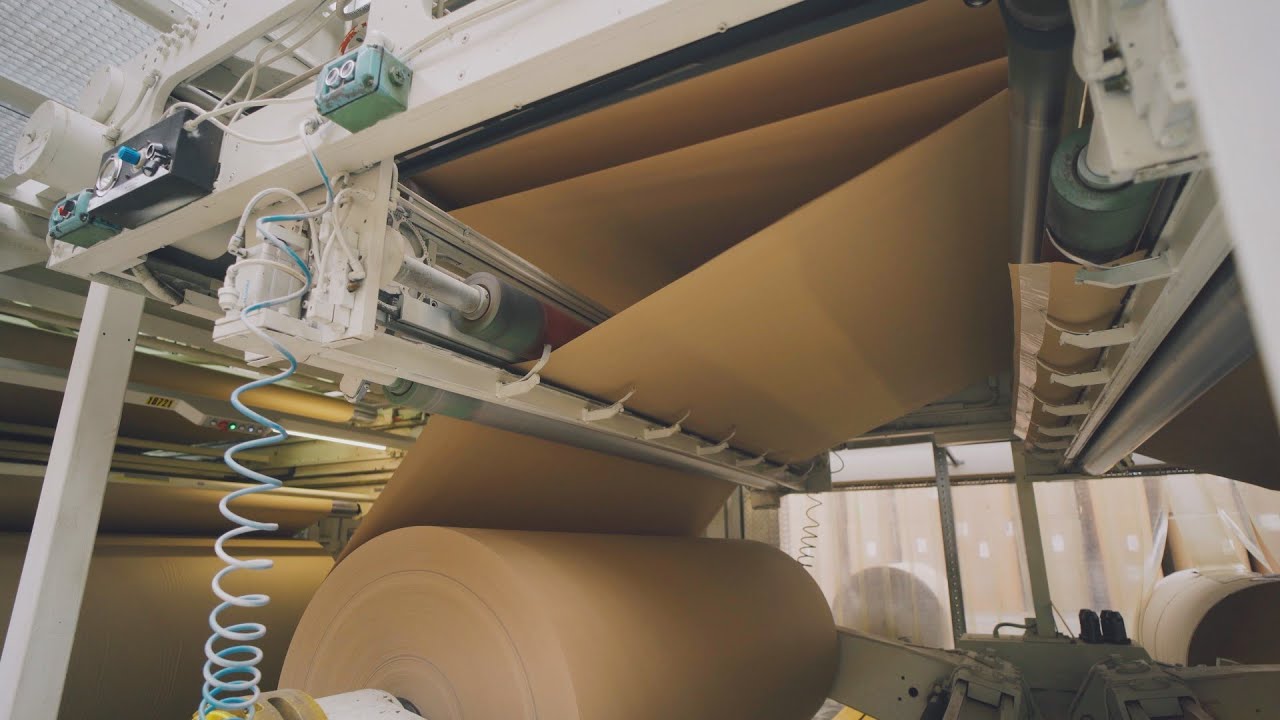
- 😀 The modern paper-making process consists of three main stages: **forming**, **pressing**, and **drying**.
- 😀 The introduction of wood fibers (like eucalyptus and pine) in the 19th century led to the mass production of paper, reducing costs significantly.
- 😀 Paper types are categorized into **cultural paper** (for writing and printing) and **industrial paper** (for packaging and industrial applications).
- 😀 The paper-making process is highly optimized today, with the use of advanced machines like **paper machines**, which involve long drying sections and recycling of water.
- 😀 **Alkaline paper-making** (at pH 7.5-9.5) enhances paper strength, brightness, and longevity, making it the preferred method in modern production.
- 😀 Paper-making also includes the use of various chemicals such as optical brightening agents (OBAs) and sizing agents like starch to enhance the paper's properties.
Q & A
What is the primary focus of TPK 1 in the paper-making course?
-TPK 1 focuses on the paper-making process, from stock preparation to pressing. It serves as an introduction to the basic principles and methods used in the paper industry.
What are the main sources of raw materials in modern paper making?
-The main raw materials used in modern paper making are short fibers from eucalyptus and acacia trees, and long fibers from pine trees. These materials are mixed to create pulp.
How did the invention of paper impact early writing materials?
-Before paper, people used heavy and cumbersome materials like bamboo, bone, and animal skins for writing. The invention of paper made writing materials lighter, more accessible, and easier to use, facilitating the spread of written information.
What role did parchment play before the discovery of paper?
-Parchment, made from animal skins, was lighter and more durable than previous writing materials. However, it was still expensive and inaccessible to most people, limiting its widespread use.
How did the secret of paper-making spread from China to other parts of the world?
-The secret of paper-making spread after the Battle of Talas in 751 CE, when Chinese paper-making knowledge was passed to the Islamic world. By the 12th century, paper-making methods were widely adopted across Europe and Asia.
What major innovation in the paper-making process occurred in Spain in 1282?
-In 1282, Spain introduced water-powered paper mills, which allowed for more efficient production. However, these mills still used expensive materials like hemp and linen fibers.
What key development in paper-making occurred in the 19th century?
-In the 19th century, Frederick Gottlob Keller and Charles Fenerty discovered how to use wood as a primary raw material for paper-making, replacing more expensive materials and leading to mass production of paper.
What are the three main stages in modern paper manufacturing?
-The three main stages in modern paper manufacturing are stock preparation, paper machine processing (which includes forming, pressing, and drying), and calendering to smooth and finish the paper.
What is the difference between cultural paper and industrial paper?
-Cultural paper (kertas budaya) is used for writing and printing, such as HVS paper. Industrial paper (kertas industri) is used in manufacturing products like packaging, insulation, and other industrial materials.
Why is alkaline paper-making preferred over acidic methods in modern paper production?
-Alkaline paper-making, which uses a pH of 7.5–9.5, improves the strength, brightness, and stability of paper. It enhances fiber bonding, increases swelling, and makes paper more durable and resistant to degradation, thus making it a preferred method.
Outlines

Esta sección está disponible solo para usuarios con suscripción. Por favor, mejora tu plan para acceder a esta parte.
Mejorar ahoraMindmap

Esta sección está disponible solo para usuarios con suscripción. Por favor, mejora tu plan para acceder a esta parte.
Mejorar ahoraKeywords

Esta sección está disponible solo para usuarios con suscripción. Por favor, mejora tu plan para acceder a esta parte.
Mejorar ahoraHighlights

Esta sección está disponible solo para usuarios con suscripción. Por favor, mejora tu plan para acceder a esta parte.
Mejorar ahoraTranscripts

Esta sección está disponible solo para usuarios con suscripción. Por favor, mejora tu plan para acceder a esta parte.
Mejorar ahoraVer Más Videos Relacionados


5.0 / 5 (0 votes)

