Motor Drivers In Engine Control Units (ECUs)
Summary
TLDRIn this video, Aaron Barrera from Texas Instruments explores how motor drivers are crucial in automotive engine control units (ECUs). He explains how internal combustion engines work, the role of ECUs in managing engine performance, and how various sensors and outputs interact within the system. The video also covers TI's motor driver solutions, including the DRV8340-Q1 and DRV887x-Q1 families, designed to enhance engine load control with protection and diagnostics. The discussion emphasizes simplifying engine control design for improved efficiency and emissions reduction in modern automotive systems.
Takeaways
- 😀 An internal combustion engine (ICE) converts fuel into usable energy through a four-stroke process involving intake, compression, combustion, and exhaust strokes.
- 😀 The engine management system (EMS) is a closed-loop feedback system that monitors and controls engine performance through sensors and outputs.
- 😀 Engine control units (ECUs) are responsible for processing sensor data and sending signals to control engine outputs like solenoids, relays, and motors.
- 😀 Engine outputs include components like the throttle control, fuel pump relay, exhaust gas recirculation (EGR) valve, and waste gate valve, each requiring specific driver solutions.
- 😀 A variety of sensors (temperature, pressure, position, etc.) are used to monitor engine performance, and the ECU adjusts the outputs to maintain optimal performance.
- 😀 High-side and low-side drivers, typically using MOSFETs, are essential for actuating engine outputs and protecting against faults like short circuits.
- 😀 The trend toward electrifying powertrain systems in hybrid and electric vehicles (HEVs and EVs) is reducing engine size and improving efficiency.
- 😀 Stricter emission standards across major automotive markets (US, Europe, China) are driving the need for more efficient and cleaner vehicle designs.
- 😀 Texas Instruments offers motor driver solutions (e.g., DRV8340-Q1, DRV8343-Q1, DRV887x-Q1) that address engine load driving needs, offering diagnostics, protection, and fault detection.
- 😀 TI’s TIDA-060030 reference design simplifies ECU design for 12V and 24V automotive systems, supporting a wide range of engine outputs and providing fault diagnostics and protection.
Q & A
What is the role of an engine control unit (ECU) in an engine management system?
-The engine control unit (ECU) is an automotive CPU that processes input data from various sensors in the engine system. It compares current performance data to lookup tables, makes calculations, and sends signals to control output loads, helping to maintain engine performance and efficiency in a closed-loop system.
How does an internal combustion engine (ICE) generate power?
-An internal combustion engine (ICE) generates power through a four-stroke process. The intake stroke draws in air and fuel, the compression stroke compresses the mixture, the combustion stroke ignites the mixture for power, and the exhaust stroke expels the spent gases. These strokes work together to rotate the crankshaft and power the vehicle.
What is the purpose of sensors in an engine management system?
-Sensors in an engine management system continuously monitor various parameters such as temperature, pressure, position, and exhaust. They provide real-time data to the ECU, enabling it to adjust engine performance to meet optimal standards and improve fuel efficiency and emissions.
What are some common engine output loads controlled by an ECU?
-Common engine output loads controlled by an ECU include solenoids, relays, DC motors, stepper motors, fuel pump relays, throttle control systems, and exhaust gas recirculation (EGR) valves. These outputs are activated by the ECU to maintain engine performance.
How does the electronic throttle control (ETC) work in a vehicle?
-Electronic throttle control (ETC) adjusts the amount of air entering the combustion chamber based on the position of the gas pedal. The position is detected by a sensor and sent to the ECU, which calculates how to drive a DC motor to control the throttle valve, regulating airflow into the engine.
What is the significance of using a push-pull driver configuration for solenoids?
-A push-pull driver configuration uses a half-bridge setup to control solenoids more efficiently by driving the solenoid in both directions with opposite FETs. This allows for current dissipation through the solenoid and enables better fault detection, as the gate driver IC can monitor both shorts to battery and ground.
What challenges do automotive manufacturers face with engine design in terms of emissions?
-Automotive manufacturers face the challenge of meeting stricter emissions standards enforced by regions such as the U.S., Europe, and China. These standards require vehicles to produce fewer pollutants, pushing manufacturers to develop cleaner, more efficient engines, often through the use of advanced engine management systems and electrification.
How can the DRV8343-Q1 motor driver solution help in engine control unit design?
-The DRV8343-Q1 is an automotive-grade motor driver that offers independent half-bridge modes to control various engine loads such as solenoids, relays, and motors. It also features diagnostic protection, short-circuit detection, and can be used in a wide voltage range, making it ideal for engine control unit applications.
Why is the four-stroke process commonly used in internal combustion engines?
-The four-stroke process is commonly used because it provides efficient power generation while minimizing emissions. Each stroke of the process ensures that fuel is properly combusted, and the engine operates smoothly by converting linear motion into rotary motion, which drives the vehicle.
What are the key features of the TIDA-060030 reference design?
-The TIDA-060030 reference design uses the DRV8343-Q1 to drive various engine loads in ECUs with four different load configurations, such as high-side, low-side, combined drivers, and push-pull drivers. It supports short-to-ground and short-to-battery diagnostics, is rated for up to 60V and 20A, and is automotive qualified for temperature ranges from -40°C to 125°C.
Outlines

Esta sección está disponible solo para usuarios con suscripción. Por favor, mejora tu plan para acceder a esta parte.
Mejorar ahoraMindmap

Esta sección está disponible solo para usuarios con suscripción. Por favor, mejora tu plan para acceder a esta parte.
Mejorar ahoraKeywords

Esta sección está disponible solo para usuarios con suscripción. Por favor, mejora tu plan para acceder a esta parte.
Mejorar ahoraHighlights

Esta sección está disponible solo para usuarios con suscripción. Por favor, mejora tu plan para acceder a esta parte.
Mejorar ahoraTranscripts

Esta sección está disponible solo para usuarios con suscripción. Por favor, mejora tu plan para acceder a esta parte.
Mejorar ahoraVer Más Videos Relacionados

CAN Bus Explained - A Simple Intro [v2.0 | 2021] 🌟

Starter Motor Explained - How a car's electric starter motor works

MATATAG PE & HEALTH 4 Quarter 2 Week 7-8 - Manipulative Skills
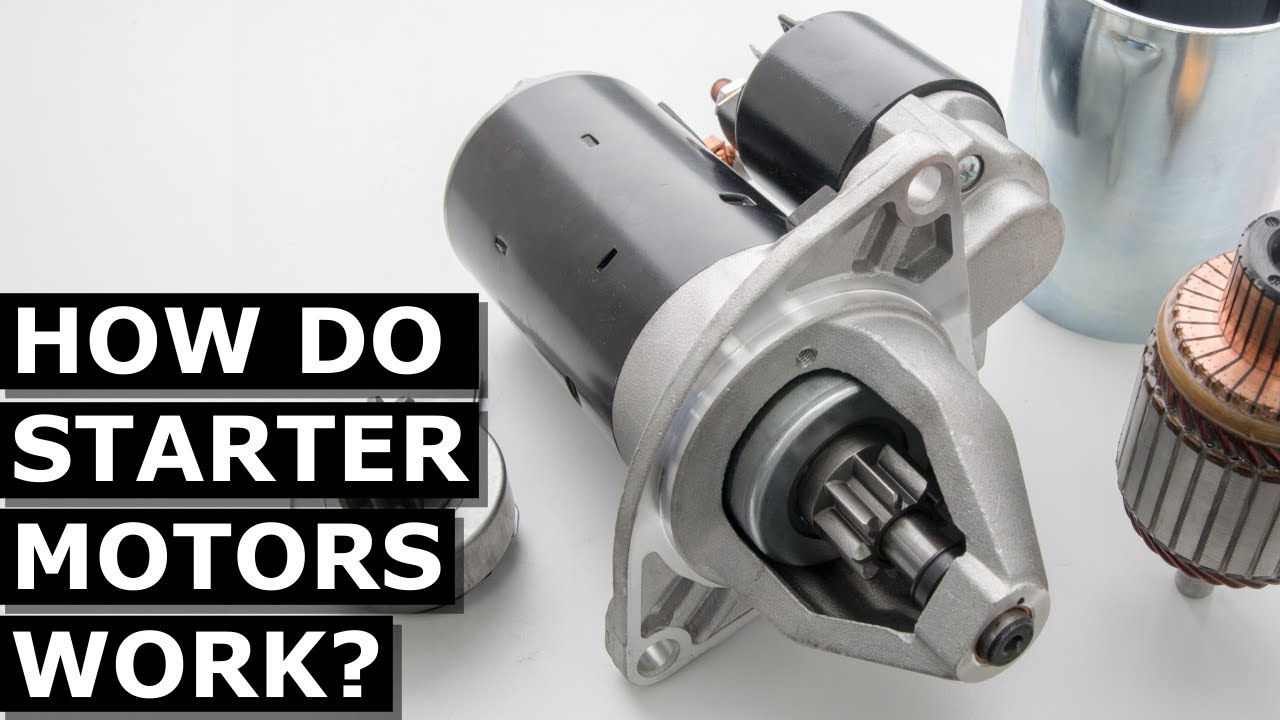
How Starter Motors Work
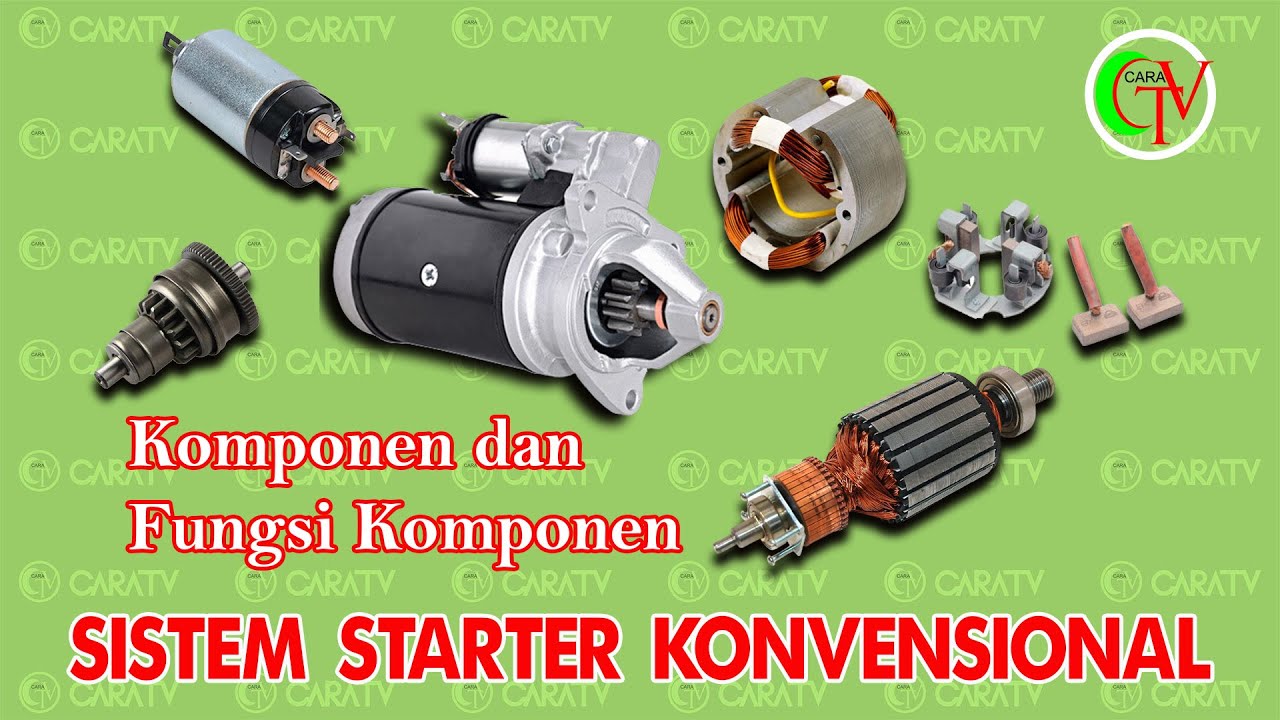
SISTEM STARTER KONVENSIONAL: Komponen dan Fungsi Komponen Motor Starter Konvensional pada Mobil

EMS Part 1: Engine Management System I Bahasa Indonesia #ems #enginemanagementsystem
5.0 / 5 (0 votes)

