Unemployment rate hit a four-year high last month
Summary
TLDRThe U.S. labor market is facing a precarious situation, with unemployment rising to a four-year high of 4.6% in November. Job losses have been reported in three of the past six months, despite some growth in the private sector. Key sectors like healthcare are still adding jobs, but industries like manufacturing and leisure are suffering. Economists warn of a weakening labor market, with wage growth slowing and an increase in multiple job holders. While the Federal Reserve may consider further rate cuts, the focus remains on addressing the unemployment issue, as inflation struggles to meet targets.
Takeaways
- 😀 The U.S. unemployment rate rose to 4.6% in November, the highest level in over four years.
- 😀 Job losses occurred in three out of the last six months, signaling a weakening job market.
- 😀 Despite the overall job losses, the U.S. economy added 64,000 jobs in November, surpassing the forecast of 40,000.
- 😀 The job market is showing a very bumpy trend, with some months seeing gains and others seeing losses.
- 😀 Private sector hiring showed positive numbers, but government sector layoffs contributed significantly to job losses.
- 😀 Health care continues to add jobs, with 64,000 new jobs created in November, while other sectors like manufacturing and leisure & hospitality saw declines.
- 😀 The year-to-date average for job creation in 2023 is just 55,000 jobs per month, the lowest since 2020.
- 😀 There is evidence of wage stagnation, with year-over-year wage growth at 3.5%, which barely outpaces inflation.
- 😀 There is a noticeable rise in people holding multiple jobs, indicating that many workers need additional income to make ends meet.
- 😀 Economists are concerned that the overall labor market is weakening, and the U.S. may face a challenging economic future, especially with the Fed's 2% inflation target still unmet.
Q & A
What is the latest unemployment rate in the U.S. as of November?
-The unemployment rate in the U.S. as of November is 4.6%, which is the highest level in over four years.
How many jobs did the U.S. economy lose in October?
-The U.S. economy lost 105,000 jobs in October, primarily due to a reduction in government employment following a federal buyout program for federal workers.
What was the job growth in the private sector in October?
-The private sector in the U.S. saw positive job growth in October, though the overall loss of jobs was driven by the government sector.
How many jobs were added in November and how does this compare to expectations?
-In November, the U.S. economy added 64,000 jobs, which was slightly ahead of the forecast of 40,000 jobs.
What sectors showed growth in employment in November?
-Healthcare and construction sectors showed growth in employment, with healthcare adding 64,000 jobs in November.
Which sectors saw job losses in November?
-Sectors that experienced job losses in November include leisure and hospitality (bars and restaurants), transportation and warehousing, and manufacturing.
How has the trend in U.S. job growth been in 2023?
-The trend in 2023 shows very low job growth, averaging about 55,000 jobs per month. This is the lowest rate since 2020 during the COVID-19 pandemic, and before that, since 2009.
What does the increase in multiple job holders indicate about the current job market?
-The rise in multiple job holders, now at 5.8%, suggests that many workers are seeking additional employment to make ends meet, indicating financial strain in the labor market.
What impact has the Trump administration's immigration policy had on the labor market?
-The Trump administration's stricter immigration policies have slowed the growth of the labor force, contributing to a tightening labor market with fewer workers entering the U.S. job market.
What is the significance of the Fed's recent rate cut and its impact on future economic conditions?
-The recent 25-basis-point rate cut by the Fed indicates concerns about economic slowdown and rising unemployment. Economists suggest further rate cuts may be needed, but inflation and its persistence remain a challenge for the Fed.
Outlines

Esta sección está disponible solo para usuarios con suscripción. Por favor, mejora tu plan para acceder a esta parte.
Mejorar ahoraMindmap

Esta sección está disponible solo para usuarios con suscripción. Por favor, mejora tu plan para acceder a esta parte.
Mejorar ahoraKeywords

Esta sección está disponible solo para usuarios con suscripción. Por favor, mejora tu plan para acceder a esta parte.
Mejorar ahoraHighlights

Esta sección está disponible solo para usuarios con suscripción. Por favor, mejora tu plan para acceder a esta parte.
Mejorar ahoraTranscripts

Esta sección está disponible solo para usuarios con suscripción. Por favor, mejora tu plan para acceder a esta parte.
Mejorar ahoraVer Más Videos Relacionados

Apresiasi Usai Timnas Juara Piala AFF U-19 2024 - iNews Pagi 01/08

How would you go about solving this? Limit of x/sqrt(x^2+1) as x goes to infinity. Reddit inf/inf

Embedded Linux | Introduction To U-Boot | Beginners

How to Diagnose and Replace Universal Joints (ULTIMATE Guide)
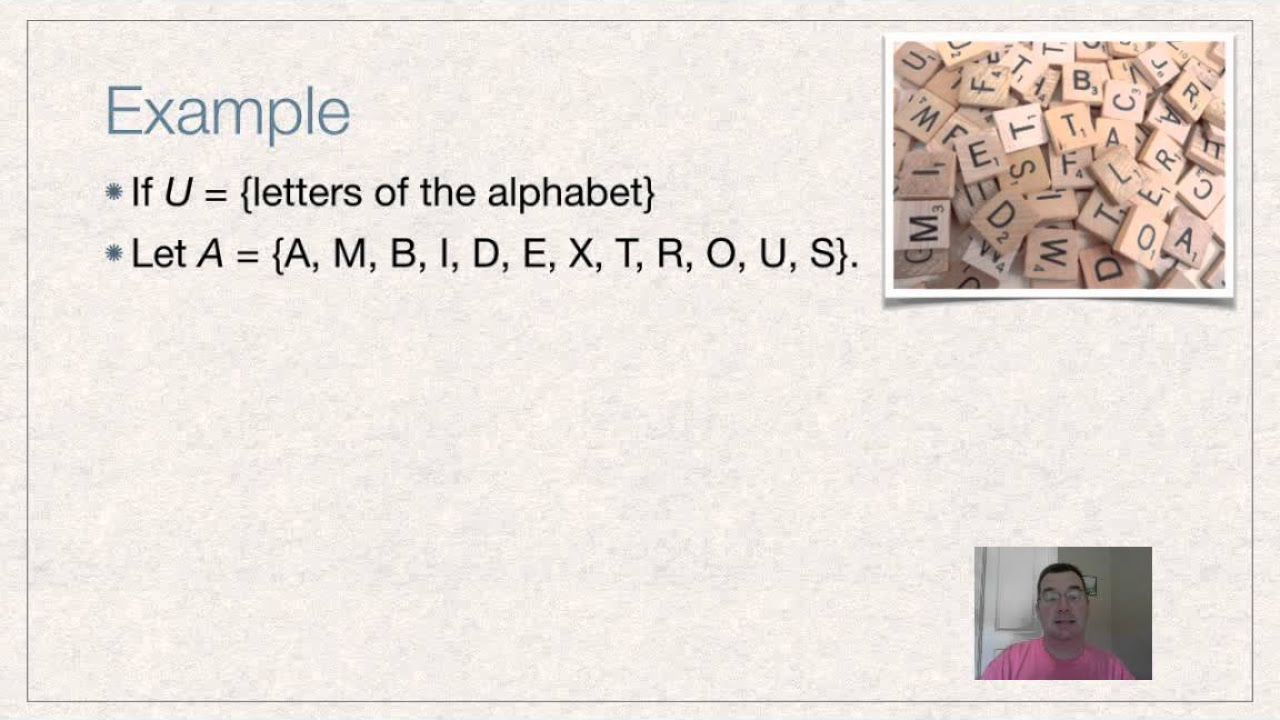
Complements of Sets

Kalah 6-0 dari Korea Utara, Timnas Indonesia U17 Gagal ke Semifinal Piala Asia

TIMNAS INDONESIA U17 KALAH SEGALANYA DARI KORUT DAN TERSINGKIR DARI PIALA ASIA!
5.0 / 5 (0 votes)

