How Safe is Your Food? New Report About Eggs Raises Questions | Vantage with Palki Sharma | N18G
Summary
TLDRThe script highlights the growing issue of food adulteration in India, focusing on contaminated products like milk, rice, and eggs, which often contain harmful chemicals. The failure of food safety regulators like the FSSAI to effectively monitor and enforce standards exacerbates the problem. Independent reports have exposed widespread adulteration, leading to a crisis of trust among consumers. The script calls for a stronger regulatory system, zero tolerance for dangerous substances, and harsher penalties for offenders. It concludes by emphasizing the need for a national conversation about food safety and the breakdown of public confidence in the system.
Takeaways
- 😀 The most dangerous thing in your kitchen may not be the knife or gas stove, but the food itself.
- 😀 Trust in food safety is cracking due to increasing reports of food adulteration in India.
- 😀 A YouTube channel tested eggs from Ego's Nutrition and found harmful chemicals banned in poultry, such as nitrofurine and nitro amidazol.
- 😀 These chemicals are genotoxic, meaning they can damage DNA and potentially lead to diseases like cancer.
- 😀 Ego's Nutrition denies the claims, asserting their eggs are safe, but further testing is needed to confirm the extent of contamination in the market.
- 😀 Food adulteration in India is an ongoing problem, with cases of milk, paneer, spices, cereals, and even rice being contaminated.
- 😀 Chemicals used in clothing dyes are found in food items like chili and turmeric, and fish is often preserved with formulin, a chemical used to preserve dead bodies.
- 😀 The FSSAI (Food Safety and Standards Authority of India) fails to effectively regulate food safety due to understaffed inspection teams and inadequate penalties for adulteration.
- 😀 In 2022-2023, around 25% of food samples tested in India were found to be adulterated, but this only accounts for the tested samples, leaving thousands untested.
- 😀 The public has become paranoid about the safety of food, leading to a loss of trust in the system and the need for serious reform in food regulation.
- 😀 The solution includes a proactive regulator, zero tolerance for harmful substances, and actual criminal prosecution for food adulteration to restore consumer confidence.
Q & A
What is the main argument presented in the video script?
-The main argument is that the biggest danger in our kitchens is not the knife or stove, but the adulterated and chemically contaminated food we consume. The script highlights the widespread food adulteration in India, including in items like milk, eggs, and vegetables, and the failure of the regulatory system to effectively monitor and control food safety.
What chemicals were found in the eggs from Ego's Nutrition, and why is it concerning?
-The eggs from Ego's Nutrition were found to contain two banned chemicals: nitrofurine and nitro amidazol. Both are classified as genotoxic, meaning they can damage DNA, potentially leading to serious health risks like cancer if consumed over time.
What is the significance of food adulteration in India, according to the script?
-Food adulteration in India is a long-standing and systemic issue. The script outlines various examples, such as milk adulterated with detergent and starch in paneer, which leads to health risks and undermines public trust in food safety. The widespread nature of food adulteration is a major concern for consumers.
How does the script describe the role of India's food safety regulator, the FSSAI?
-The script criticizes the FSSAI, stating that it acts more like a passive 'hall monitor' than a proactive regulator. It points out that food inspection teams are understaffed, testing labs are limited, and penalties for adulteration are insufficient, leading to ineffective enforcement.
What was the result of food sample testing in India between 2022 and 2023?
-From 2022 to 2023, about 177,000 food samples were analyzed in India, with roughly 25% of those samples found to be nonconforming, indicating that they could be adulterated. This statistic highlights the scale of food safety issues in the country.
Why does the script suggest a national conversation is necessary in India?
-The script suggests that a national conversation is needed to address the systemic issues in food safety and to restore public confidence in what people are eating. Without addressing the deepening crisis of trust, food adulteration will continue to be a major problem.
What three actions does the script propose to address food adulteration in India?
-The script proposes three actions: 1) A regulator that proactively monitors and tests food through aggressive, routine, nationwide sampling; 2) A zero-tolerance policy for banned substances like genotoxic chemicals; and 3) Real consequences for adulteration, including criminal prosecution rather than light fines or license suspensions.
What impact does food adulteration have on Indian consumers, according to the script?
-Food adulteration has led to widespread distrust among Indian consumers. People buy food with suspicion, inspecting milk, smelling fruits, and even avoiding eggs. This ongoing paranoia is a direct result of the government's failure to regulate and ensure food safety.
What is the script's view on the consequences of food adulteration?
-The script emphasizes that the consequences of food adulteration are severe, potentially leading to serious health issues. However, it criticizes the current penalties as insufficient, calling for criminal prosecution to hold those responsible accountable for endangering lives.
What historical reference is made in the second part of the script, and how does it relate to the broader message?
-The second part of the script references the legacy of dictatorship, comparing it to a personality cult where people suffer in silence under an oppressive regime. This analogy is used to highlight the failures of the food safety system in India, where the government and regulatory authorities fail to protect the people from harm.
Outlines

Esta sección está disponible solo para usuarios con suscripción. Por favor, mejora tu plan para acceder a esta parte.
Mejorar ahoraMindmap

Esta sección está disponible solo para usuarios con suscripción. Por favor, mejora tu plan para acceder a esta parte.
Mejorar ahoraKeywords

Esta sección está disponible solo para usuarios con suscripción. Por favor, mejora tu plan para acceder a esta parte.
Mejorar ahoraHighlights

Esta sección está disponible solo para usuarios con suscripción. Por favor, mejora tu plan para acceder a esta parte.
Mejorar ahoraTranscripts

Esta sección está disponible solo para usuarios con suscripción. Por favor, mejora tu plan para acceder a esta parte.
Mejorar ahoraVer Más Videos Relacionados
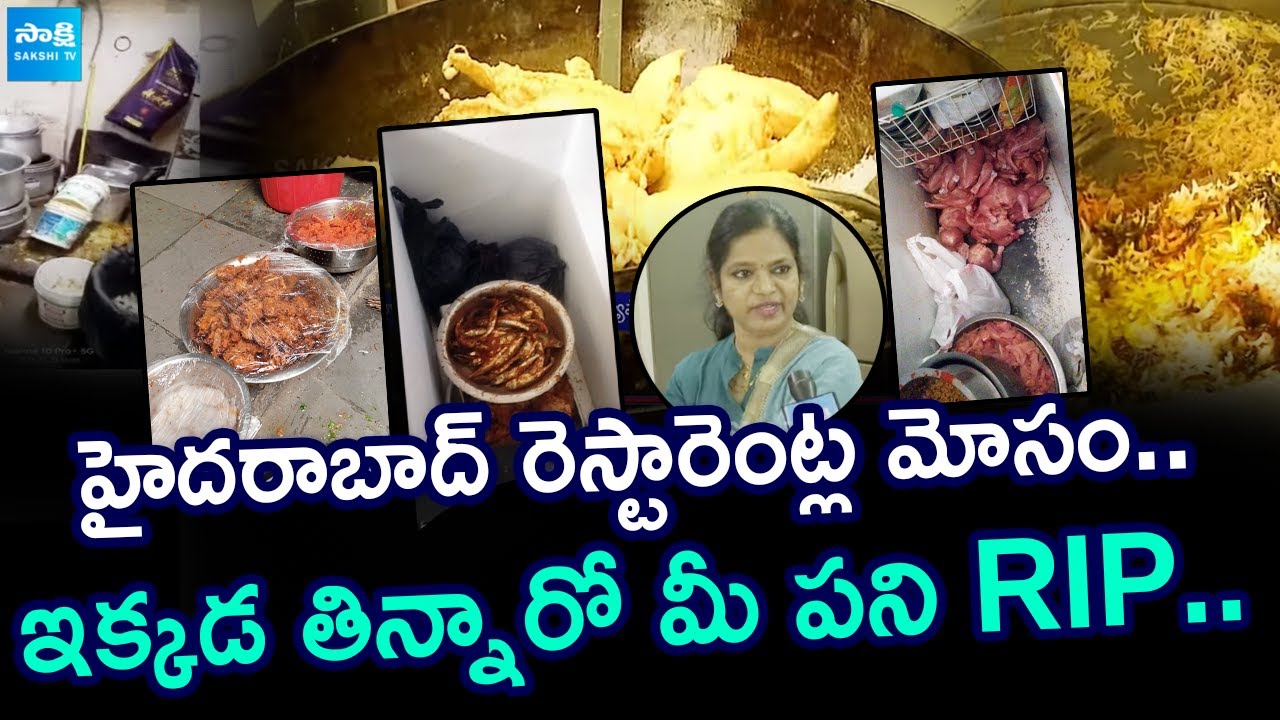
Adulteration Food in Hyderabad Restaurants | Hyderabad Food | Biryani |@SakshiTV

O que esses alimentos coloridos têm a ver com o autismo?

praktikum kimia "makromolekul" uji karbohidrat dan protein || Suci Novitasari || XII MIPA 2

Why Everything You Eat Contains Soy

Materi Makanan sehat & tidak sehat
Alasan Indomie Ditarik Peredarannya di Negeri Kangguru | OneNews Update
5.0 / 5 (0 votes)

