Semua Perguruan Tinggi Dijelaskan Dalam 7 Menit
Summary
TLDRThis video script provides an overview of various higher education institutions in Indonesia, explaining their key differences and areas of focus. It covers universities, institutes, polytechnics, higher education schools, academies, and government-run schools, highlighting the academic, vocational, and professional training offered by each. The script emphasizes how these institutions cater to different fields of study, with universities offering the broadest range, institutes focusing on specific fields, and polytechnics and academies providing practical, technical education. It also discusses government-run schools that ensure students secure jobs in civil service post-graduation.
Takeaways
- 🎓 Universities offer the broadest scope of knowledge, encompassing multiple faculties across sciences, social sciences, health, and humanities.
- 📚 Universities provide three types of education: academic (theoretical), vocational (practical skills), and professional (specific career preparation).
- 🏛️ Institutes focus on one major field but provide comprehensive education within that field, often including academic, vocational, and professional programs.
- 🔬 Institutes are often research centers within their specialized field, promoting innovation through focused resources and expertise.
- 🛠️ Polytechnics emphasize vocational training, with hands-on learning and practical skills, preparing students directly for specific jobs in industry.
- 📘 Polytechnics usually offer diploma programs (D3 and D4) and focus on one field, similar to institutes but with a stronger vocational orientation.
- 🏥 Colleges (Sekolah Tinggi) focus on a very specific field and consist of programs or departments rather than faculties, offering academic, vocational, and professional education.
- 🎯 Colleges provide specialized, in-depth training with a relatively homogeneous student body, fostering a targeted and effective learning environment.
- -
- 🧰 Academies concentrate on a single, very specific skill area, providing predominantly vocational education with strong practical training.
- 🏢 Government-affiliated schools (Sekolah Kedinasan) may take the form of institutes, colleges, polytechnics, or academies, but feature mandatory service contracts and direct employment after graduation.
- 💼 Sekolah Kedinasan is ideal for students seeking government careers with full scholarships but requires strict discipline and commitment to serve in the public sector.
Q & A
What is the primary distinction between universities and other types of higher education institutions in Indonesia?
-Universities are the most common type of higher education in Indonesia, offering a wide range of faculties across different fields such as science, social sciences, humanities, and applied sciences. They provide academic, vocational, and professional education, making them the most comprehensive institutions.
How do vocational programs in universities differ from academic programs?
-Vocational programs focus on practical skills and prepare students for specific professions, such as becoming a doctor or pharmacist, while academic programs emphasize theoretical knowledge and research, leading to degrees from bachelor's to doctoral levels.
What is the main characteristic of institutes in Indonesia?
-Institutes specialize in a specific field of study, unlike universities that cover a wide range of disciplines. For example, the Institut Seni Indonesia focuses on the arts and includes faculties for visual arts, performance arts, and media arts.
What is the difference between institutes and universities in terms of academic offerings?
-Institutes usually offer academic programs, ranging from bachelor's to doctoral degrees, with a specific focus on one discipline, while universities offer a broader range of academic fields and include both academic and vocational programs.
What type of students are typically attracted to institutes?
-Institutes tend to attract students who are highly interested in a specific field, creating a more focused and competitive learning environment, as the students and faculty share common interests and goals.
What is the role of polytechnics in the Indonesian education system?
-Polytechnics primarily focus on vocational education, offering diploma programs that emphasize hands-on skills for specific industries. Unlike universities, they do not offer academic degrees and are more oriented toward preparing students for the workforce.
How do the academic and vocational programs differ between schools of higher education and academies?
-Academies are highly specialized institutions offering vocational training in very specific fields, such as nursing or hospitality, while schools of higher education may provide a broader range of programs in specific sectors but may also cover academic, vocational, and professional education.
What is the focus of a school of health sciences in Indonesia?
-A school of health sciences specializes in fields like nursing, midwifery, and pharmacy, offering specialized programs to produce skilled professionals in healthcare.
How do academies differ from schools of higher education in terms of academic scope?
-Academies are narrower in focus compared to schools of higher education. While schools of higher education may offer a range of programs within a specific field, academies concentrate on a single profession or area of expertise, offering specialized vocational education.
What is unique about civil service schools in Indonesia?
-Civil service schools are unique because they are managed by government ministries or agencies and are designed to prepare students for careers in the public sector. They offer specialized programs with an emphasis on preparing students for roles in government institutions, often with a binding commitment to work in the public service after graduation.
Outlines

Dieser Bereich ist nur für Premium-Benutzer verfügbar. Bitte führen Sie ein Upgrade durch, um auf diesen Abschnitt zuzugreifen.
Upgrade durchführenMindmap

Dieser Bereich ist nur für Premium-Benutzer verfügbar. Bitte führen Sie ein Upgrade durch, um auf diesen Abschnitt zuzugreifen.
Upgrade durchführenKeywords

Dieser Bereich ist nur für Premium-Benutzer verfügbar. Bitte führen Sie ein Upgrade durch, um auf diesen Abschnitt zuzugreifen.
Upgrade durchführenHighlights

Dieser Bereich ist nur für Premium-Benutzer verfügbar. Bitte führen Sie ein Upgrade durch, um auf diesen Abschnitt zuzugreifen.
Upgrade durchführenTranscripts

Dieser Bereich ist nur für Premium-Benutzer verfügbar. Bitte führen Sie ein Upgrade durch, um auf diesen Abschnitt zuzugreifen.
Upgrade durchführenWeitere ähnliche Videos ansehen
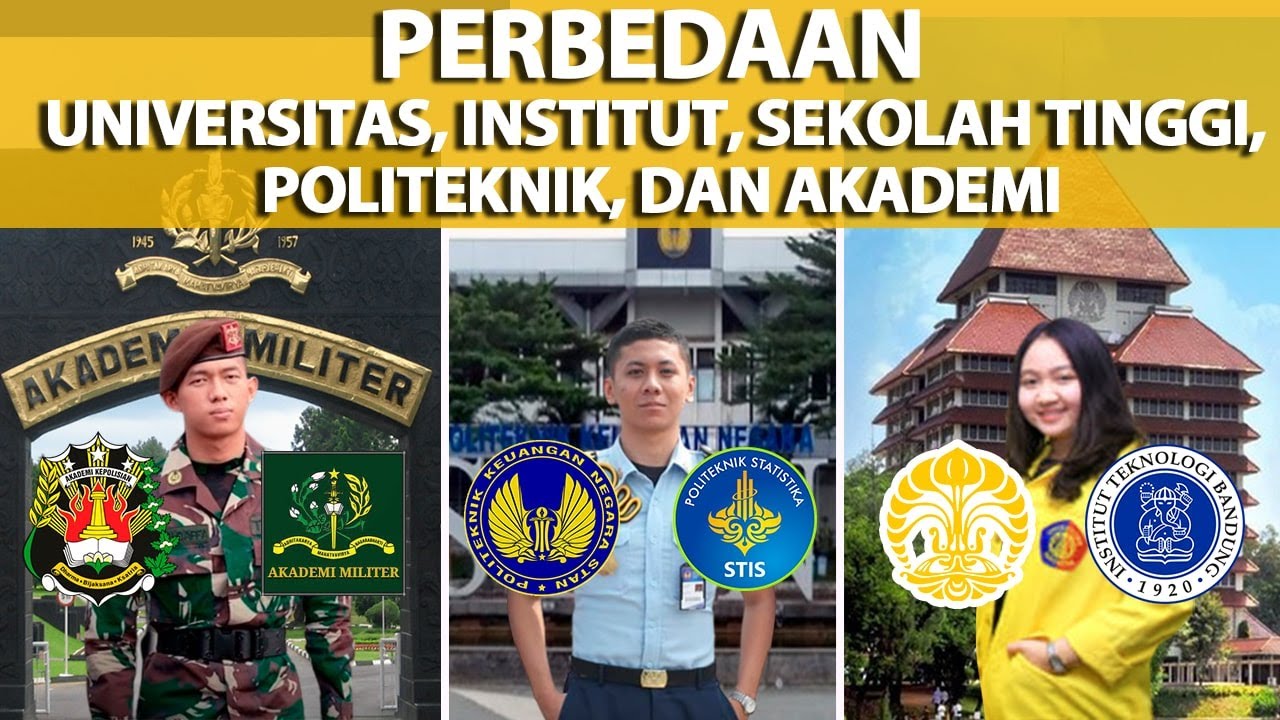
PERBEDAAN KULIAH DI UNIVERSITAS, INSTITUT, KEDINASAN DAN LAINNYA!!
Lembaga Keuangan Bank dan Lembaga Keuangan Non-Bank
Kuliah Bank dan Lembaga Keuangan - Ep.12 Pasar Uang dan Pasar Modal
Different Education Systems in the World: A Comparison

TENTANG LEMBAGA AGAMA|Florence Oktora Italiana

Lembaga Keuangan Bank & Non-Bank
5.0 / 5 (0 votes)

