Google Cloud architecture
Summary
TLDRGoogle Cloud offers a robust infrastructure built on three layers: networking and security, compute and storage, and big data and machine learning. With services like Compute Engine, Kubernetes Engine, BigQuery, and Vertex AI, Google Cloud enables organizations to scale and manage large data workloads seamlessly. The platform’s global network, spanning seven major regions with multiple zones, ensures low latency and high availability. Google Cloud also provides customizable regional and multi-regional configurations to optimize performance and reliability. This flexible architecture supports businesses as they grow and require increasing computational resources.
Takeaways
- 😀 Google Cloud infrastructure consists of three main layers: networking and security, compute and storage, and big data and machine learning products.
- 😀 Networking and security form the foundational layer, supporting all of Google’s infrastructure and applications.
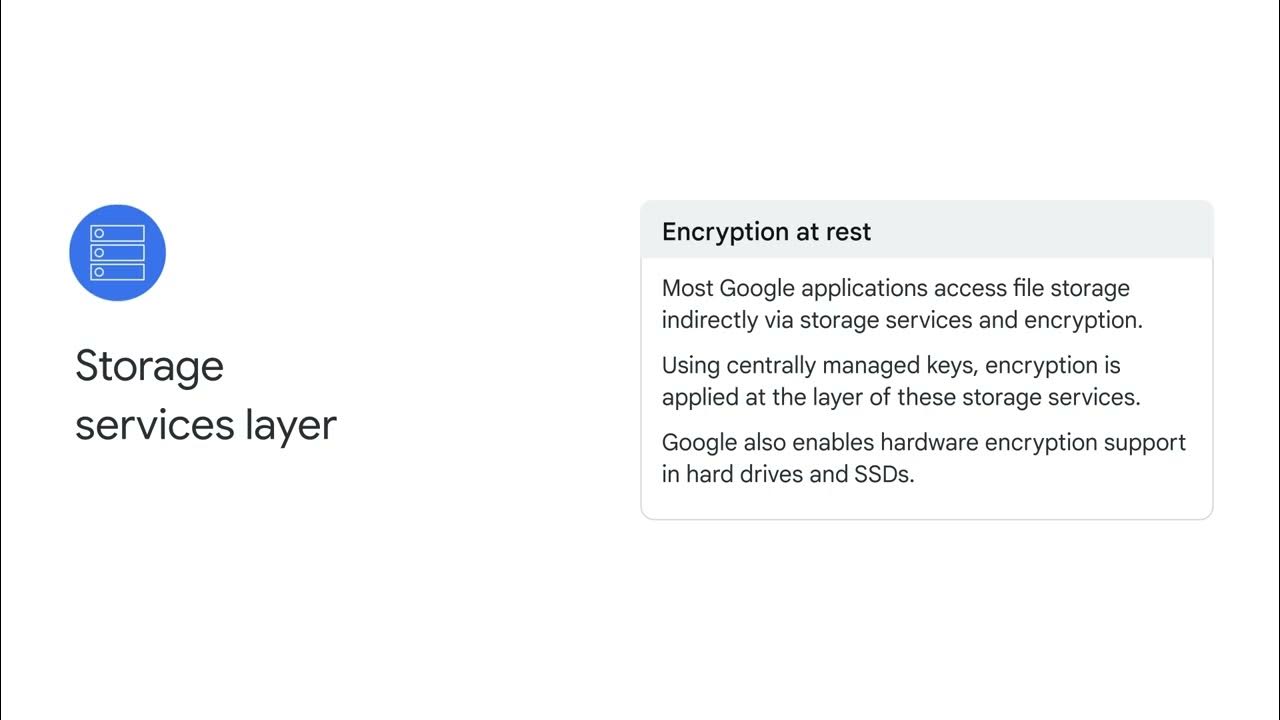
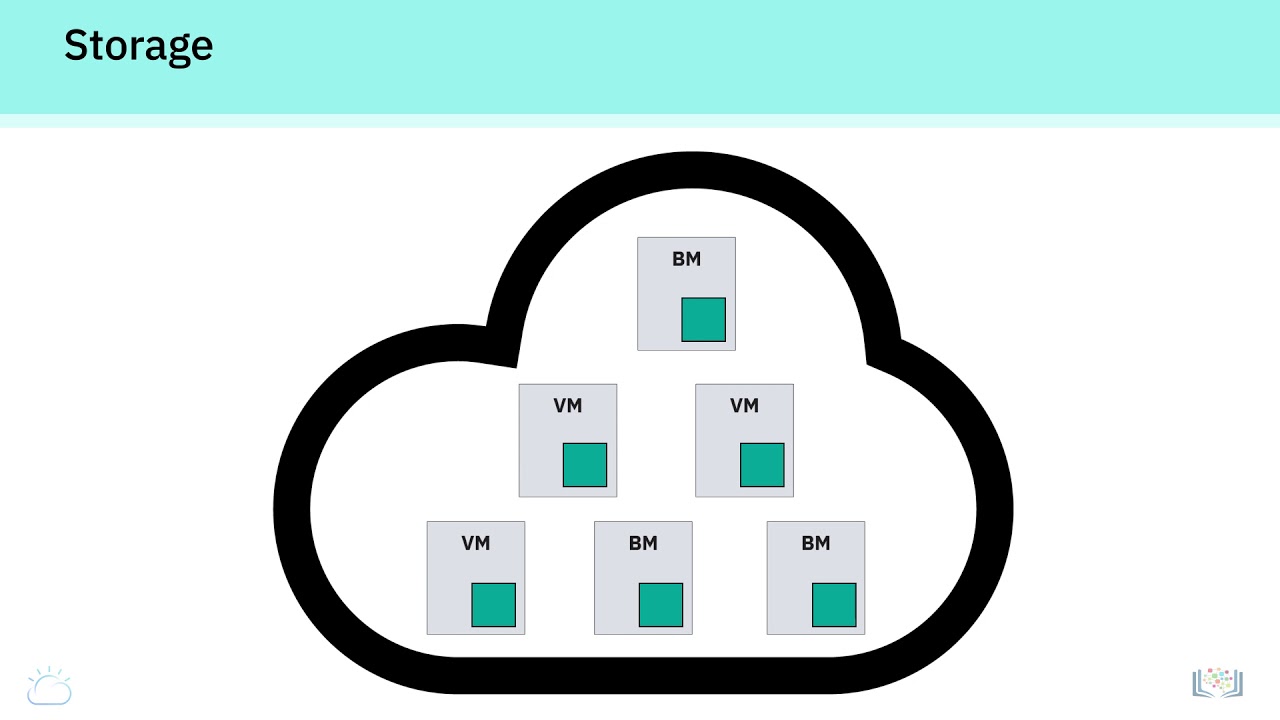
- 😀 Google Cloud decouples compute and storage to allow independent scaling based on demand.
- 😀 Big data and machine learning tools on Google Cloud help perform data ingestion, processing, and delivering business insights.
- 😀 Google Cloud eliminates the need to manage and scale underlying infrastructure, streamlining the process for businesses.
- 😀 As organizations' data needs grow, the demand for compute power increases, prompting the need for scalable computing services.
- 😀 Google Cloud offers various computing services, including Compute Engine, Google Kubernetes Engine, App Engine, Cloud Run, and Cloud Run functions.
- 😀 Google Cloud provides a range of managed storage options, including Cloud Storage, Cloud SQL, Spanner, Bigtable, and Firestore.
- 😀 Cloud SQL and Spanner are relational databases, while Bigtable and Firestore are NoSQL databases, catering to different data management needs.
- 😀 Google Cloud’s big data and machine learning products include services such as BigQuery, Dataflow, Looker, AutoML, and Vertex AI, enhancing data-driven decision-making.
- 😀 The Google network, the largest of its kind, ensures high throughput and low latency, offering efficient global content caching through over 100 nodes worldwide.
- 😀 Google Cloud operates across seven major geographic locations, offering benefits in terms of availability, durability, and latency, which are crucial for applications.
- 😀 Google Cloud’s infrastructure is organized into regions and zones, allowing users to optimize resource deployment and protect against regional failures.
- 😀 Multi-region configurations in Google Cloud, like Spanner, enable data replication across multiple regions, ensuring high availability and low-latency data access.
Q & A
What are the three layers of Google Cloud infrastructure?
-Google Cloud infrastructure is structured in three layers: 1) Networking and security at the base layer, 2) Compute and storage in the middle layer, and 3) Big data and machine learning products at the top layer.
Why does Google Cloud decouple compute and storage?
-Google Cloud separates compute and storage to allow them to scale independently based on the needs of the organization. This separation helps optimize resources and costs.
What are some of the key computing services offered by Google Cloud?
-Google Cloud offers a range of computing services including Compute Engine, Google Kubernetes Engine, App Engine, Cloud Run, and Cloud Run functions.
What are the differences between Cloud SQL, Spanner, Bigtable, and Firestore?
-Cloud SQL and Spanner are relational databases, while Bigtable and Firestore are NoSQL databases. The choice between them depends on the type of data and the scale of operations required by the organization.
What is the role of Google Cloud’s big data and machine learning product line?
-Google Cloud’s big data and machine learning product line, which includes tools like BigQuery, Dataproc, AutoML, and Vertex AI, helps businesses ingest, store, process, and analyze data to gain insights and build machine learning models.
How does Google Cloud ensure high throughput and low latency for applications?
-Google Cloud ensures high throughput and low latency by utilizing a massive network, with over 100 content caching nodes worldwide, designed to quickly respond to user requests from the nearest location.
Why is the location of applications important in Google Cloud?
-The location of applications affects critical qualities such as availability, durability, and latency. Google Cloud provides multiple service locations worldwide, allowing users to optimize these factors based on the geographical placement of their applications.
What is the difference between regions and zones in Google Cloud?
-A region is a large geographic area containing several zones. A zone is a smaller, more specific area within a region where resources like virtual machines are deployed. Zones offer redundancy and help protect against failures.
How does Google Cloud handle multi-region configurations?
-Google Cloud’s multi-region configurations, such as Spanner’s multi-region replication, allow data to be replicated across multiple zones and regions. This ensures low latency and high availability by bringing resources closer to users in different geographic locations.
How does Google Cloud's infrastructure scale globally?
-Google Cloud has invested billions into building a vast global network that spans seven major geographic locations: North America, South America, Europe, Africa, the Middle East, Asia, and Australia. This network is continually expanding with additional zones and regions.
Outlines

Dieser Bereich ist nur für Premium-Benutzer verfügbar. Bitte führen Sie ein Upgrade durch, um auf diesen Abschnitt zuzugreifen.
Upgrade durchführenMindmap

Dieser Bereich ist nur für Premium-Benutzer verfügbar. Bitte führen Sie ein Upgrade durch, um auf diesen Abschnitt zuzugreifen.
Upgrade durchführenKeywords

Dieser Bereich ist nur für Premium-Benutzer verfügbar. Bitte führen Sie ein Upgrade durch, um auf diesen Abschnitt zuzugreifen.
Upgrade durchführenHighlights

Dieser Bereich ist nur für Premium-Benutzer verfügbar. Bitte führen Sie ein Upgrade durch, um auf diesen Abschnitt zuzugreifen.
Upgrade durchführenTranscripts

Dieser Bereich ist nur für Premium-Benutzer verfügbar. Bitte führen Sie ein Upgrade durch, um auf diesen Abschnitt zuzugreifen.
Upgrade durchführen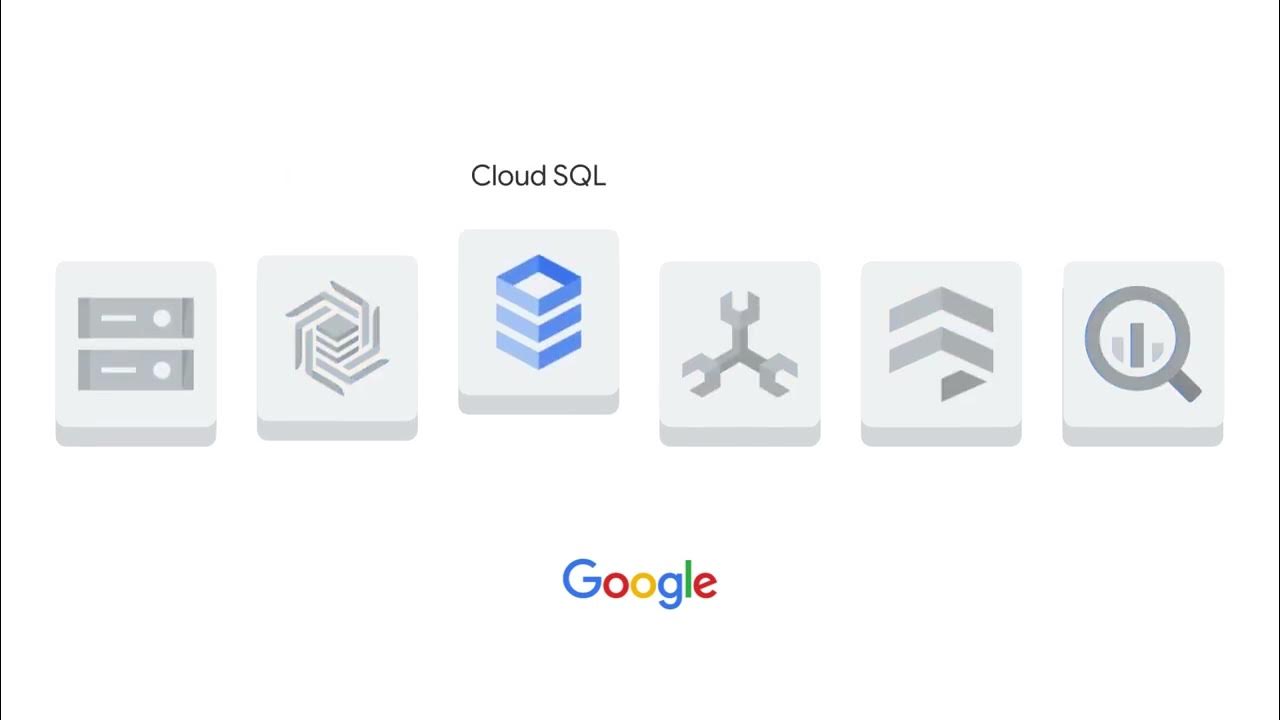



5.0 / 5 (0 votes)

