Lysosomes HD Animation
Summary
TLDRLysosomes are membrane-bound vesicles that contain hydrolytic enzymes responsible for breaking down proteins, nucleic acids, lipids, and carbohydrates. These enzymes are synthesized in the endoplasmic reticulum, transported to the Golgi apparatus, and then packaged into lysosomes. When viruses, bacteria, or damaged organelles like old mitochondria are ingested by cells, the lysosomes fuse with these particles or structures to degrade and recycle them. This process plays a vital role in cellular maintenance and defense.
Takeaways
- 😀 Lysosomes are membrane-bound vesicles that contain hydrolytic enzymes.
- 😀 These enzymes break down proteins, nucleic acids, lipids, and carbohydrates.
- 😀 Lysosomes are formed in the endoplasmic reticulum.
- 😀 The hydrolytic enzymes are transported to the Golgi apparatus by transport vesicles.
- 😀 Lysosomes are created from the Golgi apparatus.
- 😀 When particles like viruses or bacteria are ingested by phagocytosis, lysosomes fuse with the phagosome.
- 😀 The fusion of lysosomes and phagosomes delivers hydrolytic enzymes for degradation.
- 😀 Lysosomes also fuse with organelles, such as old mitochondria, for recycling.
- 😀 The fusion of lysosomes with damaged organelles leads to their destruction and recycling.
- 😀 The overall function of lysosomes is critical for cellular maintenance and defense.
Q & A
What are lysosomes and what do they contain?
-Lysosomes are membrane-bound vesicles that contain hydrolytic enzymes responsible for breaking down proteins, nucleic acids, lipids, and carbohydrates.
Where are the hydrolytic enzymes in lysosomes formed?
-The hydrolytic enzymes in lysosomes are formed in the endoplasmic reticulum.
How are hydrolytic enzymes transported to lysosomes?
-The enzymes are transported to the lysosomes by transport vesicles, which carry them from the endoplasmic reticulum to the Golgi apparatus.
How do lysosomes arise?
-Lysosomes arise from the Golgi apparatus, where they are formed by the fusion of vesicles containing hydrolytic enzymes.
What happens when particles like viruses or bacteria are ingested by a cell?
-When particles such as viruses or bacteria are ingested by the cell through phagocytosis, the lysosome fuses with the vesicle containing the particles, called a phagosome, and delivers the hydrolytic enzymes to break them down.
What is the function of lysosomes in relation to old organelles?
-Lysosomes also fuse with organelles, such as old mitochondria, to break them down and recycle their components.
What is phagocytosis?
-Phagocytosis is the process by which cells ingest particles such as bacteria or viruses, which are then broken down by lysosomes.
Why is the recycling of old organelles, like mitochondria, important?
-Recycling old organelles like mitochondria helps the cell maintain proper function by removing damaged or outdated structures and reusing their components.
What role does the Golgi apparatus play in lysosome formation?
-The Golgi apparatus processes and packages the hydrolytic enzymes that are transported from the endoplasmic reticulum, and it is where lysosomes are formed before they fuse with other cellular structures.
What types of molecules do lysosomal enzymes break down?
-Lysosomal enzymes break down proteins, nucleic acids, lipids, and carbohydrates.
Outlines

Dieser Bereich ist nur für Premium-Benutzer verfügbar. Bitte führen Sie ein Upgrade durch, um auf diesen Abschnitt zuzugreifen.
Upgrade durchführenMindmap

Dieser Bereich ist nur für Premium-Benutzer verfügbar. Bitte führen Sie ein Upgrade durch, um auf diesen Abschnitt zuzugreifen.
Upgrade durchführenKeywords

Dieser Bereich ist nur für Premium-Benutzer verfügbar. Bitte führen Sie ein Upgrade durch, um auf diesen Abschnitt zuzugreifen.
Upgrade durchführenHighlights

Dieser Bereich ist nur für Premium-Benutzer verfügbar. Bitte führen Sie ein Upgrade durch, um auf diesen Abschnitt zuzugreifen.
Upgrade durchführenTranscripts

Dieser Bereich ist nur für Premium-Benutzer verfügbar. Bitte führen Sie ein Upgrade durch, um auf diesen Abschnitt zuzugreifen.
Upgrade durchführen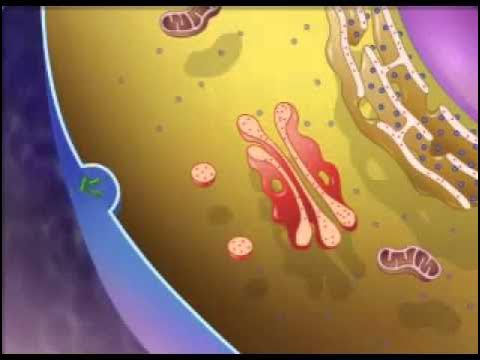



5.0 / 5 (0 votes)

