Lolita Cercel și AI-ul DEgenerativ! [RANT]
Summary
TLDRThe video script critiques the state of modern art and music, focusing on the rise of AI-generated content, such as Lolita Cercel. It discusses the commodification of art, the loss of emotional depth in music, and the superficiality of social media's focus on viral success over genuine creativity. The narrator contrasts today’s music scene with past movements that carried social and emotional weight, highlighting the absence of artistic risk-taking and controversy. The script argues that AI can produce art, but lacks the deeper cultural and emotional resonance that defined past musical expressions.
Takeaways
- 😀 The current state of art and culture is deeply influenced by social media, leading to the trivialization and commodification of creativity.
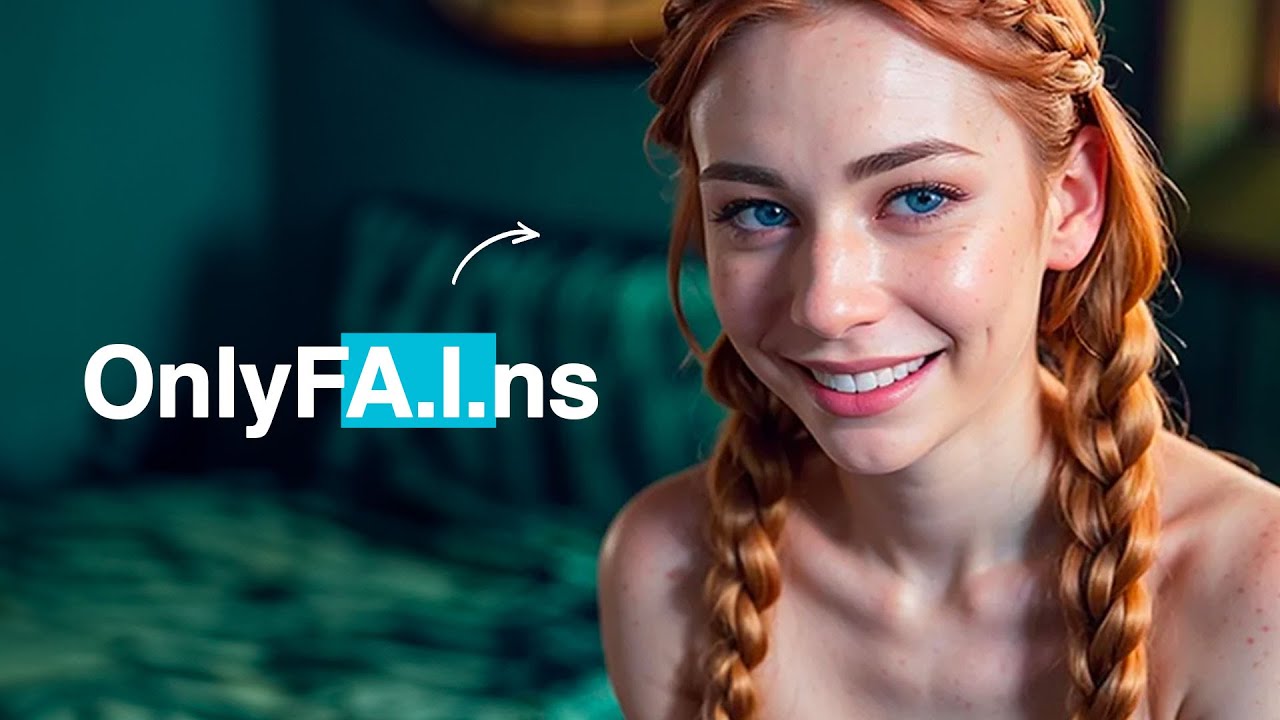
- 😀 AI-generated art and music, such as 'Lolita Cercel,' symbolize the detachment between art and society, reducing artistic creation to a viral commodity rather than meaningful expression.
- 😀 The value of artistic creation has shifted from depth and cultural relevance to the pursuit of views and commercial success, largely driven by social media platforms.
- 😀 Despite AI’s ability to generate music, the core problem lies in the lack of genuine artistic motivation behind creations that lack a personal, emotional connection to the artist's experiences.
- 😀 Modern art and music, including protest songs, have lost their impactful edge and are now mere replicas of past works, lacking innovation and social relevance.
- 😀 Music has been reduced to a 'fast food' product, consumed casually without the deeper cultural engagement that was once associated with it.
- 😀 The concept of 'cultural appropriation' is often misunderstood and misused in modern discussions, with many artists focusing on this issue rather than acknowledging the global and evolving nature of artistic influences.
- 😀 Artists today are more focused on viral success and mainstream popularity, leading to a lack of risk-taking or challenging social norms through their work.
- 😀 True artistry, once about rebellion and pushing boundaries, has been replaced by the desire for commercial gain and audience approval.
- 😀 The rise of AI and the focus on virality in music and art are products of a society where real creativity and individuality are stifled by the pressures of commercial success and social media dynamics.
Q & A
What is the primary critique of the artist 'Lolita Cercel' in the transcript?
-The main critique focuses on the artificiality and lack of cultural depth in Lolita Cercel's music, generated by AI. The author argues that the music is a shallow fusion of various genres, primarily designed for viral success rather than meaningful artistic expression.
How does the author view the role of views and popularity in today's music culture?
-The author criticizes the obsession with views and popularity as the main metric of success, arguing that it overshadows the actual artistic value and meaning behind the music. This focus on quantity, rather than quality, is seen as a symptom of a broader cultural decline.
What does the author say about the cultural significance of the name 'Lolita Cercel'?
-The author points out the problematic connotations of the name 'Lolita', which references Nabokov's novel, and suggests that most fans likely do not understand its deeper, darker cultural origins. The choice of 'Cercel' adds a layer of cultural appropriation, mixing a well-known lăutărească (Gypsy folk music) name with a controversial literary reference.
How does the transcript critique the current state of popular music?
-null
What does the author think about cultural appropriation in music?
-The author argues that accusations of cultural appropriation, like those against Lolita Cercel, are often exaggerated. The author believes that the true issue is not appropriation but the exploitation of cultural products for profit, regardless of their origins. Music and culture are seen as global and fluid, rather than strictly owned by any one group.
What is the author's perspective on the influence of technology on music creation?
-The author believes that technology, particularly AI, has played a role in the decline of musical quality. While AI allows for new forms of music creation, it has also contributed to a reduction in the skill and artistry required, with much of today's music relying on automated processes like autotune and sampling, rather than authentic human talent.
Why does the author believe that music lacks 'meaning' today?
-The author argues that music today lacks 'meaning' because it no longer reflects the artist's personal experience or emotional depth. Music has become a product designed for instant consumption and viral success, rather than a form of self-expression or a medium for cultural or social commentary.
What does the author mean by 'populism' in the context of music and culture?
-In this context, 'populism' refers to the tendency of artists and the media to cater to the masses by creating content that is safe, easy to consume, and non-controversial. The author critiques this trend as one that stifles true artistic expression, pushing artists to avoid deeper, more meaningful content in favor of pleasing a broad audience.
What does the author think about the role of social media in the cultural landscape?
-The author sees social media as a platform that trivializes and homogenizes culture, contributing to the spread of shallow, repetitive content. Social media, according to the author, has allowed a flood of trivial opinions and content to reach the same platform as serious artistic endeavors, which diminishes the overall quality of cultural discourse.
What is the author's view on the future of AI-generated music?
-The author is not inherently against AI-generated music but criticizes the current trend of using AI for shallow, viral content. They believe AI has the potential to create something meaningful if used correctly, but current trends focus more on exploitation and instant success rather than on the creation of something artistically valuable.
Outlines

Dieser Bereich ist nur für Premium-Benutzer verfügbar. Bitte führen Sie ein Upgrade durch, um auf diesen Abschnitt zuzugreifen.
Upgrade durchführenMindmap

Dieser Bereich ist nur für Premium-Benutzer verfügbar. Bitte führen Sie ein Upgrade durch, um auf diesen Abschnitt zuzugreifen.
Upgrade durchführenKeywords

Dieser Bereich ist nur für Premium-Benutzer verfügbar. Bitte führen Sie ein Upgrade durch, um auf diesen Abschnitt zuzugreifen.
Upgrade durchführenHighlights

Dieser Bereich ist nur für Premium-Benutzer verfügbar. Bitte führen Sie ein Upgrade durch, um auf diesen Abschnitt zuzugreifen.
Upgrade durchführenTranscripts

Dieser Bereich ist nur für Premium-Benutzer verfügbar. Bitte führen Sie ein Upgrade durch, um auf diesen Abschnitt zuzugreifen.
Upgrade durchführenWeitere ähnliche Videos ansehen




5.0 / 5 (0 votes)

