Prehistoric Hunter Gatherer Societies: Exploring the Lives and Cultures of Early Humans
Summary
TLDRThis script explores the lives of ancient hunter-gatherers, tracing humanity’s journey from early hominins in Africa to the spread across Eurasia. It highlights their adaptability, survival strategies, and innovations, from hunting and foraging to tool-making and fire mastery. The narrative delves into the Paleolithic Age, detailing early shelters, diets, social structures, and artistic achievements, including cave paintings. It emphasizes the evolution of technology, cooperative hunting, and the emergence of language, illustrating how these early humans thrived in diverse and harsh environments. The story captures the resilience, ingenuity, and cultural foundations that paved the way for modern human civilization.
Takeaways
- 😀 Hunter-gatherer societies were based on living in harmony with nature, relying on hunting, fishing, scavenging, and gathering wild plants for food.
- 😀 These societies adapted differently to their environments, developing unique tools and survival strategies to exploit their surroundings.
- 😀 The Paleolithic Age, which includes the Early, Middle, and Late periods, marks the evolution of stone tools and the majority of human history before modern technology.
- 😀 The earliest humans, Homo sapiens, first emerged in Africa, thriving on the fertile lands of the savannas and forests, with archaeological evidence dating back millions of years.
- 😀 Early humans lived in tight-knit groups, supporting each other through the harsh challenges of nature, such as predators, droughts, and storms.
- 😀 Homo erectus were among the first to leave Africa and spread across Eurasia, adapting to diverse environments and facing new challenges.
- 😀 Neanderthals and other human species emerged as humans moved through Europe and beyond, developing specialized survival strategies in challenging terrains.
- 😀 Early human diets were varied, consisting of meat and plants, with specialized groups hunting large animals like mammoths or trapping small game.
- 😀 The development of tools played a crucial role in human evolution, from basic stone tools to more advanced weapons, such as wooden spears and stone hand axes.
- 😀 The control of fire was pivotal in early human life, providing warmth, protection, and the ability to cook food, which enhanced digestion and social bonds.
- 😀 Language emerged within hunter-gatherer societies, helping humans coordinate hunts, share knowledge, and form complex social networks essential for survival.
Q & A
Who were the hunter-gatherers and how did they survive?
-Hunter-gatherers were early humans who survived by hunting animals, fishing, scavenging, and gathering wild plants. They lived in small, mobile groups, adapted to their environment, and relied entirely on natural resources for sustenance.
What is the Paleolithic Age and how is it divided?
-The Paleolithic Age, also known as the Age of Stone Tools, is a prehistoric period marked by the development of early human technology. It is divided into three stages: Early, Middle, and Late Paleolithic, each reflecting advancements in tools and survival strategies.
Where did early humans originate and what evidence supports this?
-Early humans originated in Africa, particularly in regions like the savannas and forests. Archaeological sites such as Swartkrans, Sturkfontein, and Lake Turkana provide evidence of human habitation dating back millions of years.
How did early humans migrate beyond Africa?
-Homo erectus and other early human species ventured out of Africa nearly two million years ago, spreading across Eurasia and beyond. They adapted to diverse environments, from China to Indonesia, and eventually Europe, leading to the emergence of species like Neanderthals.
What types of tools did early humans develop during the Paleolithic?
-Early humans initially used simple stone cores as choppers and scrapers. Over time, they developed Acheulean hand axes, cleavers, wooden spears, blade tools, bone implements, spear-throwers, and bows and arrows, reflecting increasing sophistication and adaptation to hunting and daily life.
How did the use of fire impact early human life?
-Fire provided warmth, protection from predators, and a means to cook food, which made it easier to chew and digest, fueling brain growth. It also extended social interaction, allowing communities to gather, share knowledge, and strengthen social bonds.
What did the diet of early humans consist of?
-Early humans ate a mix of meat and plants, depending on availability. Some specialized in hunting large animals like mammoths, while others focused on fishing or gathering edible plants. Evidence shows that humans also baked bread over 14,000 years ago, demonstrating early culinary innovation.
What role did social structure and communication play in hunter-gatherer societies?
-Hunter-gatherer societies relied on cooperation, sharing resources, and coordinated hunting. Early communication, which evolved into language, helped strengthen social bonds, pass knowledge, and organize group activities, contributing to the survival and success of the community.
How did early humans adapt to different environments around the world?
-Early humans adapted by developing specialized tools, hunting strategies, and shelter techniques suited to diverse environments, from frozen tundras to deserts and forests. Their mobility and innovation allowed them to thrive across almost all regions of the Old World.
What evidence shows the cognitive and artistic development of early humans?
-Cave paintings in sites like Chauvet and Lascaux, along with sophisticated tool-making and architectural structures, demonstrate symbolic thought, creativity, and planning, marking early humans as fully modern in their cognitive abilities.
Why is the hunter-gatherer lifestyle significant in human history?
-The hunter-gatherer lifestyle represents the majority of human history and laid the foundation for human adaptation, innovation, social complexity, and survival skills. Some societies still practice it today, highlighting its resilience and importance in human evolution.
Outlines

هذا القسم متوفر فقط للمشتركين. يرجى الترقية للوصول إلى هذه الميزة.
قم بالترقية الآنMindmap

هذا القسم متوفر فقط للمشتركين. يرجى الترقية للوصول إلى هذه الميزة.
قم بالترقية الآنKeywords

هذا القسم متوفر فقط للمشتركين. يرجى الترقية للوصول إلى هذه الميزة.
قم بالترقية الآنHighlights

هذا القسم متوفر فقط للمشتركين. يرجى الترقية للوصول إلى هذه الميزة.
قم بالترقية الآنTranscripts

هذا القسم متوفر فقط للمشتركين. يرجى الترقية للوصول إلى هذه الميزة.
قم بالترقية الآنتصفح المزيد من مقاطع الفيديو ذات الصلة

La HISTORIA del PAN: Desde hace 14.400 años hasta hoy

History of Food 1/5: The Invention of Cooking

Neolithic Iberia - 5000 year old Idols and Megaliths! 🇵🇹 🇪🇸
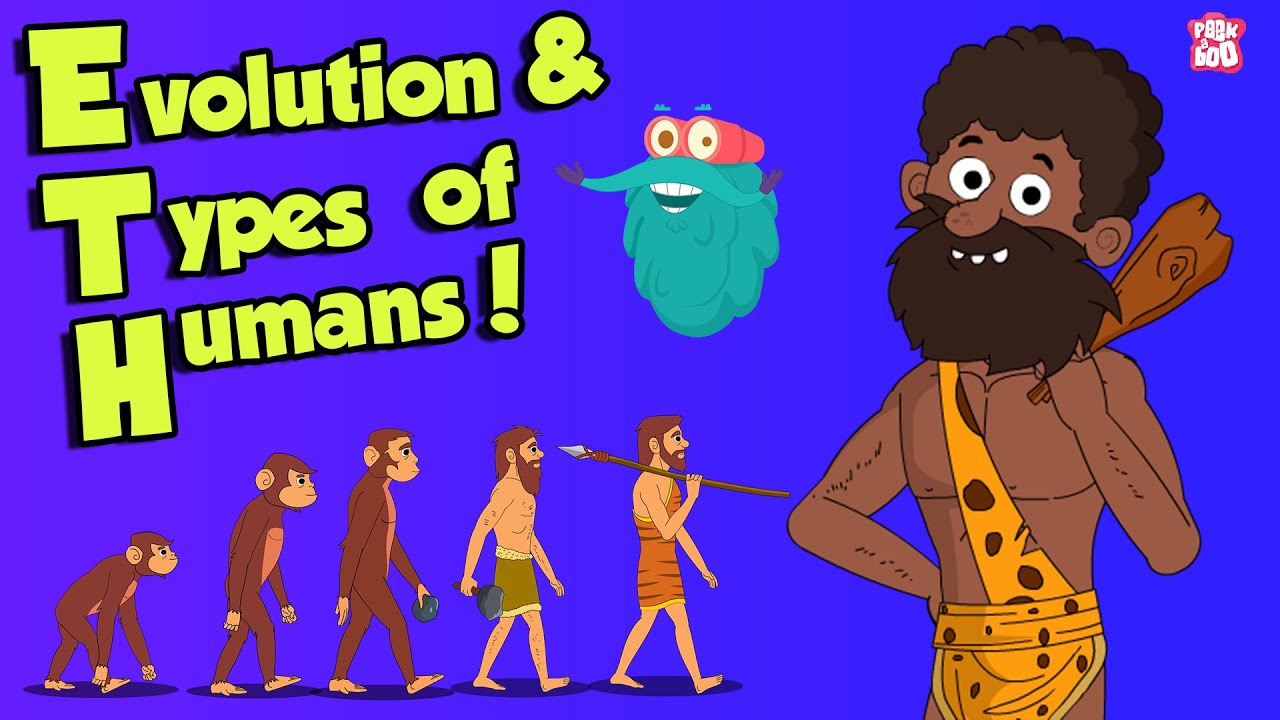
What Is Evolution & types of HUMANS | Dr Binocs Show | Peekaboo Kidz
Urbanization and the future of cities - Vance Kite

1of6 Evolution-Becoming Human-Part3-The Last Human Standing
5.0 / 5 (0 votes)

