Obiettivo n°2 - Fame zero
Summary
TLDRThe video explores the global challenge of hunger and malnutrition, highlighting how climate change, wars, economic crises, and unhealthy diets contribute to food insecurity worldwide. It focuses on the second Sustainable Development Goal of the 2030 Agenda, ‘Zero Hunger,’ which aims to end hunger, improve nutrition, and promote sustainable agriculture. The script emphasizes supporting vulnerable populations, strengthening resilient farming systems, preserving biodiversity through seed banks, and increasing investment in rural infrastructure and agricultural research. It also encourages individuals to support local producers, make sustainable food choices, and reduce food waste, stressing that achieving zero hunger is essential for broader goals like health, education, and gender equality.
Takeaways
- 🌍 Despite some progress, global hunger is increasing, particularly in South America and much of Africa, due to climate change, wars, and economic crises.
- 👶 Child malnutrition is extremely high in Asia, while in wealthier countries, malnutrition often results from unhealthy diets and junk food consumption.
- 🍽️ The UN's 2030 Agenda Goal 2, 'Zero Hunger,' aims to end hunger, achieve food security, improve nutrition, and promote sustainable agriculture.
- 🤰 Vulnerable groups such as infants, adolescent girls, pregnant or breastfeeding women, and the elderly are a priority in combating hunger and malnutrition.
- 🚜 Agriculture is the primary source of livelihood for many people, but climate change and biodiversity loss put global food systems at risk.
- 🔄 There is a need to rethink how we grow, share, and consume food to feed those currently suffering from hunger and the projected 2 billion additional people by 2050.
- 🌱 Key agricultural goals include doubling productivity and income for small-scale food producers, including women, indigenous peoples, farmers, pastoralists, and fishers.
- 🌾 Promoting sustainable and resilient farming practices can improve soil quality, help communities adapt to extreme weather, and strengthen food systems against climate change.
- 🧬 Preserving genetic diversity of seeds, crops, livestock, and related wild species is essential, supported by seed banks and diversified plant use, enhancing nutrition and resilience.
- 💡 Investments in rural infrastructure, agricultural research, and information systems are crucial to support small farmers and combat world hunger.
- 🛒 Individuals can contribute by supporting local markets, making sustainable food choices, maintaining a healthy diet, and reducing food waste.
- 🌐 Achieving 'Zero Hunger' helps advance other Sustainable Development Goals, including education, health, and gender equality.
Q & A
What is the current global trend in hunger according to the video?
-Despite some progress, the number of people suffering from hunger worldwide is increasing, particularly in South America and most regions of Africa, due to climate change, wars, and economic crises.
How is malnutrition manifested in wealthy countries?
-In wealthier countries, malnutrition often results from the consumption of junk food and unhealthy diets, rather than a lack of food.
What is the second goal of the 2030 Agenda?
-The second goal, 'Zero Hunger,' aims to end hunger, achieve food security, improve nutrition, and promote sustainable agriculture.
Which groups are considered most vulnerable to hunger and malnutrition?
-The most vulnerable groups include newborns, adolescent girls, pregnant or breastfeeding women, and the elderly.
Why is agriculture considered crucial for global sustenance?
-Agriculture provides livelihoods for the largest number of people, but climate change and biodiversity loss put food production at risk.
What changes are needed in the global food and agricultural system?
-We need to reconsider how we grow, share, and consume food, implementing sustainable and resilient agricultural practices to feed current and future populations.
What specific targets are set for small-scale food producers?
-The goal is to double agricultural productivity and incomes for small-scale producers, including women, indigenous people, families of farmers, herders, and fishers.
How does agricultural biodiversity contribute to sustainability?
-Maintaining genetic diversity of seeds, crops, livestock, and related wild species supports nutritious food, better livelihoods, and resilient farming systems.
What role do governments play in ending hunger?
-Governments can invest in rural infrastructure, agricultural research, information, and support for small farmers to fight hunger effectively.
What actions can individuals take to help achieve zero hunger?
-Individuals can support local producers, make sustainable food choices, maintain a healthy diet, and reduce food waste.
How does achieving zero hunger impact other sustainable development goals?
-Ending hunger enables progress in other areas, such as education, health, and gender equality, as it addresses fundamental human needs.
Outlines

此内容仅限付费用户访问。 请升级后访问。
立即升级Mindmap

此内容仅限付费用户访问。 请升级后访问。
立即升级Keywords

此内容仅限付费用户访问。 请升级后访问。
立即升级Highlights

此内容仅限付费用户访问。 请升级后访问。
立即升级Transcripts

此内容仅限付费用户访问。 请升级后访问。
立即升级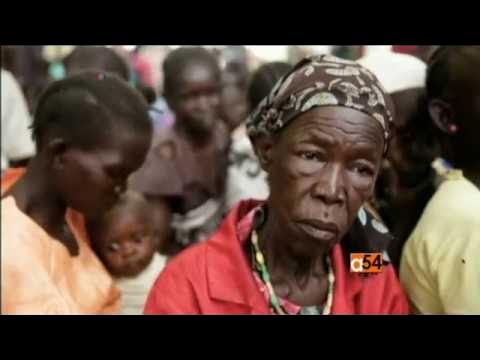


5.0 / 5 (0 votes)

