Cara Membuat Kombucha (F1 dan F2)
Summary
TLDRThis video tutorial guides viewers through the step-by-step process of making kombucha at home. From preparing the tea and fermenting it for 14 days, to creating flavored variations with ingredients like cinnamon, honey, and ginger, the script emphasizes key points such as the importance of proper fermentation, sugar ratios, and temperature control. The tutorial also covers the role of SCOBY (Symbiotic Culture Of Bacteria and Yeast), how to handle it during fermentation, and how to achieve carbonation in kombucha. Tips for troubleshooting and customizing flavors are included for both beginners and those looking to experiment with new recipes.
Takeaways
- 😀 Make kombucha by combining 700 ml of water with 300 ml of boiled water, for a total of 1 liter.
- 😀 Boiling the water helps to steep the tea, but you don't need to boil all the water – just about 30% of the total volume is enough.
- 😀 For black tea, use one measuring scoop (approximately 1 tablespoon) per liter of kombucha.
- 😀 Steep the tea for no longer than 5 minutes to avoid a bitter taste in both the tea and the final kombucha.
- 😀 Add 80 grams of sugar per liter of kombucha to ensure proper fermentation and good flavor.
- 😀 After sugar dissolves, allow the tea mixture to cool down to room temperature before adding the SCOBY (Symbiotic Culture of Bacteria and Yeast).
- 😀 It's ideal to prepare the tea in the evening and let it cool overnight before adding the SCOBY the next morning.
- 😀 Use a large jar (minimum 1.5 liters) to brew kombucha, ensuring that there’s enough space for the tea and the starter liquid (SCOBY).
- 😀 Fermentation can take 7-14 days, and during this period, a thin 'baby SCOBY' layer will form on top as the tea ferments.
- 😀 It’s important not to disturb the kombucha during fermentation, as disturbing it can affect the growth of the SCOBY.
- 😀 When harvesting kombucha after 14 days, use clean hands or gloves to handle the SCOBY and set aside some liquid for the next batch.
- 😀 For flavoring, you can add ingredients like cinnamon, honey, or fruits (e.g., strawberries, ginger) to create unique kombucha variations.
- 😀 When making flavored kombucha, ensure to leave space in the bottles for carbonation and avoid filling them to the brim.
- 😀 Secondary fermentation (48 hours) in sealed bottles enhances carbonation, but be mindful of the pressure buildup in the bottles due to the sugar content.
- 😀 Kombucha should be stored in the fridge after secondary fermentation to stop fermentation and preserve the flavor and carbonation.
- 😀 Flavored kombucha can be made by blending fruits like strawberries or adding ginger syrup, allowing for customizable sweetness and flavor strength.
Q & A
What is the purpose of boiling water when making kombucha?
-Boiling the water is essential for steeping the tea, as the heat helps release the flavors and properties of the tea leaves. It also ensures that the tea is brewed properly for kombucha fermentation.
Can you use cold water to brew the tea for kombucha?
-No, cold water won't properly extract the flavors and beneficial properties from the tea leaves. Boiling water is recommended to effectively brew the tea.
Why is it important not to steep the tea for too long?
-Steeping the tea for too long can make the kombucha taste bitter. Ideally, you should steep the tea for no more than 5 minutes to avoid bitterness, which can affect the final flavor of the kombucha.
How much sugar should be used for 1 liter of kombucha?
-For 1 liter of kombucha, you should use 80 grams of sugar. This amount ensures the proper balance for fermentation and final taste.
Why is it necessary to let the tea cool to room temperature before adding the SCOBY?
-The tea needs to cool to room temperature before adding the SCOBY because high temperatures can kill the bacteria in the SCOBY, which are essential for fermentation.
How long does the fermentation process take for kombucha?
-The first fermentation process usually takes around 7-14 days. After this, the kombucha is ready to be flavored and undergoes a second fermentation for carbonation.
What should you do if the SCOBY sinks to the bottom during fermentation?
-It's normal for the SCOBY to either float or sink during fermentation. If it sinks, it doesn't affect the fermentation process, so there's no need to worry.
What is 'baby SCOBY' and how does it form?
-A 'baby SCOBY' is a new layer of SCOBY that forms on top of the original 'mother' SCOBY during fermentation. It starts as a thin layer and thickens over time as the fermentation progresses.
Can you flavor kombucha during the first fermentation?
-It's best to wait until after the first fermentation to flavor kombucha. This allows the SCOBY to fully do its work before you add flavoring ingredients, such as fruits, herbs, or spices.
How can you increase the carbonation of kombucha?
-To increase carbonation, you can seal the kombucha in a bottle with some room for air during the second fermentation. Adding sugar, honey, or fruit like strawberries can also help produce more carbon dioxide for a fizzy drink.
Outlines

此内容仅限付费用户访问。 请升级后访问。
立即升级Mindmap

此内容仅限付费用户访问。 请升级后访问。
立即升级Keywords

此内容仅限付费用户访问。 请升级后访问。
立即升级Highlights

此内容仅限付费用户访问。 请升级后访问。
立即升级Transcripts

此内容仅限付费用户访问。 请升级后访问。
立即升级浏览更多相关视频
Membuat Aquaponik Sederhana dengan Kolam Terpal Easy Grow

Cara Membuat Arang Briket Dari Batok Kelapa Kualitas Ekspor

Membuat Karya Seni dari Daur Ulang Limbah Rumah Tangga | Seni Rupa SD
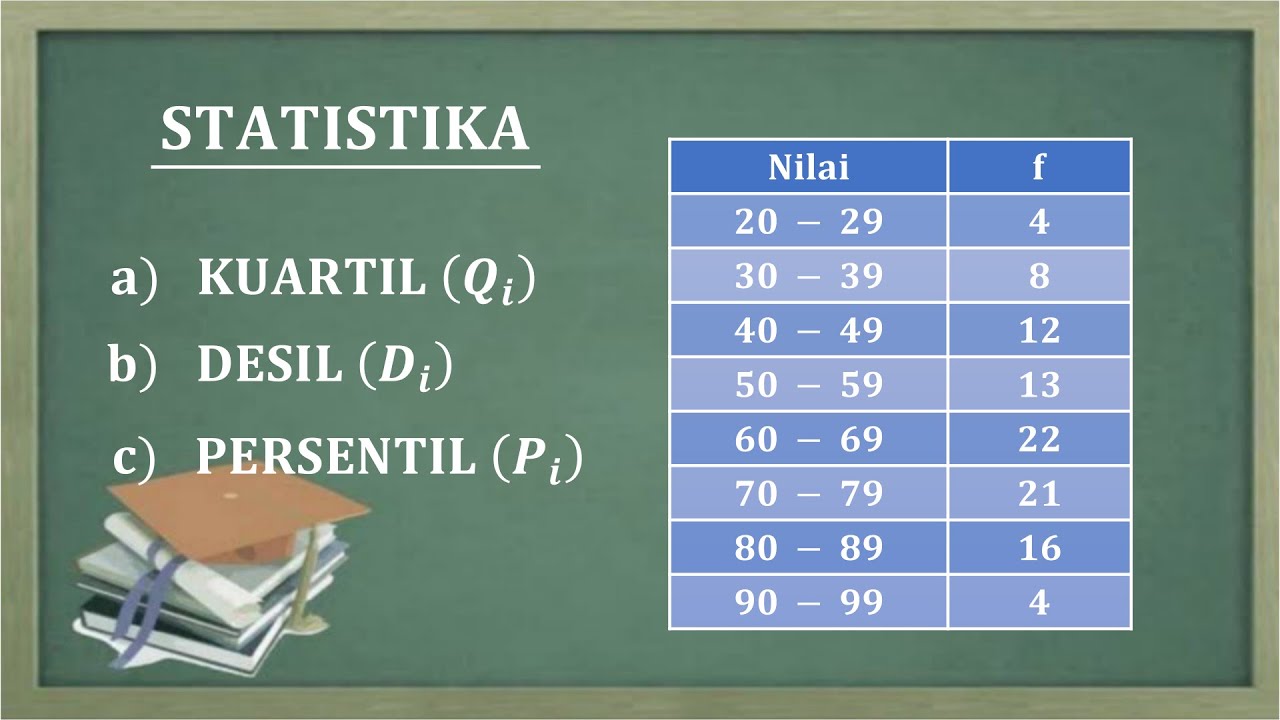
KUARTIL DESIL DAN PERSENTIL DATA KELOMPOK

Cara Menanam Hidroponik Sistem Wick Untuk Pemula

Setting Access Point TP-Link | TL-WA701ND | Bridge
5.0 / 5 (0 votes)

