Pertanian Pintar: Teknologi Canggih untuk Masa Depan Pangan! 🌱🚀
Summary
TLDRIn the age of climate change and limited resources, smart farming using IoT and AI is revolutionizing agriculture. In Indonesia, farmers are adopting sensor technology and drones for real-time monitoring of crops, improving efficiency and sustainability. Countries like Japan and the Netherlands are leading the way with robotic harvesters and vertical farming. However, challenges like technology access and education remain. The key to success lies in collaboration between government, academia, and the private sector to ensure a sustainable, food-secure future. Smart farming is not just a trend—it's essential for addressing global food security.
Takeaways
- 🌱 Smart farming is becoming a reality, with technology enabling fields to monitor and manage themselves.
- 💧 IoT sensors in fields can detect soil moisture, nutrient levels, and air temperature in real time, helping farmers make informed decisions.
- 🚁 Drones play a crucial role by monitoring plant health, detecting pests, and applying pesticides precisely.
- ⏱️ Smart farming saves time and labor while reducing excessive chemical use, making it more environmentally friendly.
- 🤖 Advanced countries like Japan and the Netherlands are already using robotics and vertical farming to increase efficiency and yield.
- 🇮🇩 In Indonesia, AI-based projects help farmers predict weather, optimize irrigation, and improve harvest distribution.
- 💧 Automated hydroponic systems can control nutrient levels and ensure plants receive precise care continuously.
- ⚠️ Major challenges include limited access to technology, stable internet, and funding for advanced equipment.
- 🤝 Collaboration among government, academia, and private sectors is essential for successful smart farming adoption.
- 🌍 Smart farming is not just a trend but a necessity for sustainable food production to meet the needs of a growing global population.
- ❓ The real question is not if smart farming is needed, but when it will be widely implemented and whether we are ready to embrace it.
Q & A
What is the concept of 'smart farming' mentioned in the transcript?
-Smart farming refers to the use of advanced technologies like IoT (Internet of Things), drones, and automated systems in agriculture to improve efficiency, reduce manual labor, and enhance sustainability. It involves real-time data collection and decision-making tools for farmers.
How does the Internet of Things (IoT) improve farming practices?
-IoT improves farming by using sensors placed in fields to collect data on soil moisture, nutrient levels, and temperature. This data is then sent to mobile apps, helping farmers make informed decisions about irrigation, fertilization, and overall crop management.
What role do drones play in smart farming?
-Drones are used in smart farming to monitor crop health, detect pests, and even apply pesticides with precision. They help save time and labor while minimizing the use of chemicals, which benefits the environment.
What is an example of smart farming technology already used in developed countries?
-In developed countries like Japan, robots are used to harvest crops by detecting the ripeness of fruits and vegetables. In the Netherlands, vertical farming systems leverage AI to produce more food in smaller spaces, reducing the dependency on large land areas.
How is hydroponics being utilized in Indonesia’s smart farming projects?
-Hydroponics in Indonesia is being used in automated systems that control the nutrient levels in water, ensuring that plants receive the right amount of nutrients at all times, leading to optimized crop growth and better yields.
What challenges does Indonesia face in implementing smart farming technology?
-The biggest challenges are limited access to technology and internet connectivity, particularly for traditional farmers. Many do not have the financial resources to invest in advanced equipment, making widespread implementation difficult.
What is the key to successful implementation of smart farming in Indonesia?
-The success of smart farming in Indonesia hinges on collaboration between the government, academia, and the private sector. This partnership can help address the technological and educational barriers that farmers face.
Why is smart farming considered a necessity for the future?
-Smart farming is essential for ensuring food security in the face of a growing global population. It allows for more efficient food production, reduces environmental impact, and conserves resources, making it a critical part of a sustainable future.
What is the potential impact of smart farming on global food production?
-Smart farming has the potential to significantly increase food production while using fewer resources, which is crucial for feeding a growing global population without depleting the planet's resources or harming the environment.
How does the use of AI in agriculture contribute to sustainability?
-AI helps optimize irrigation, predict weather patterns, and improve crop yields. It allows for more precise use of water, fertilizers, and pesticides, reducing waste and ensuring that resources are used efficiently, contributing to more sustainable farming practices.
Outlines

此内容仅限付费用户访问。 请升级后访问。
立即升级Mindmap

此内容仅限付费用户访问。 请升级后访问。
立即升级Keywords

此内容仅限付费用户访问。 请升级后访问。
立即升级Highlights

此内容仅限付费用户访问。 请升级后访问。
立即升级Transcripts

此内容仅限付费用户访问。 请升级后访问。
立即升级浏览更多相关视频

Smart Farming: How Robots and AI Can Help Us with Farming | Farming Technology
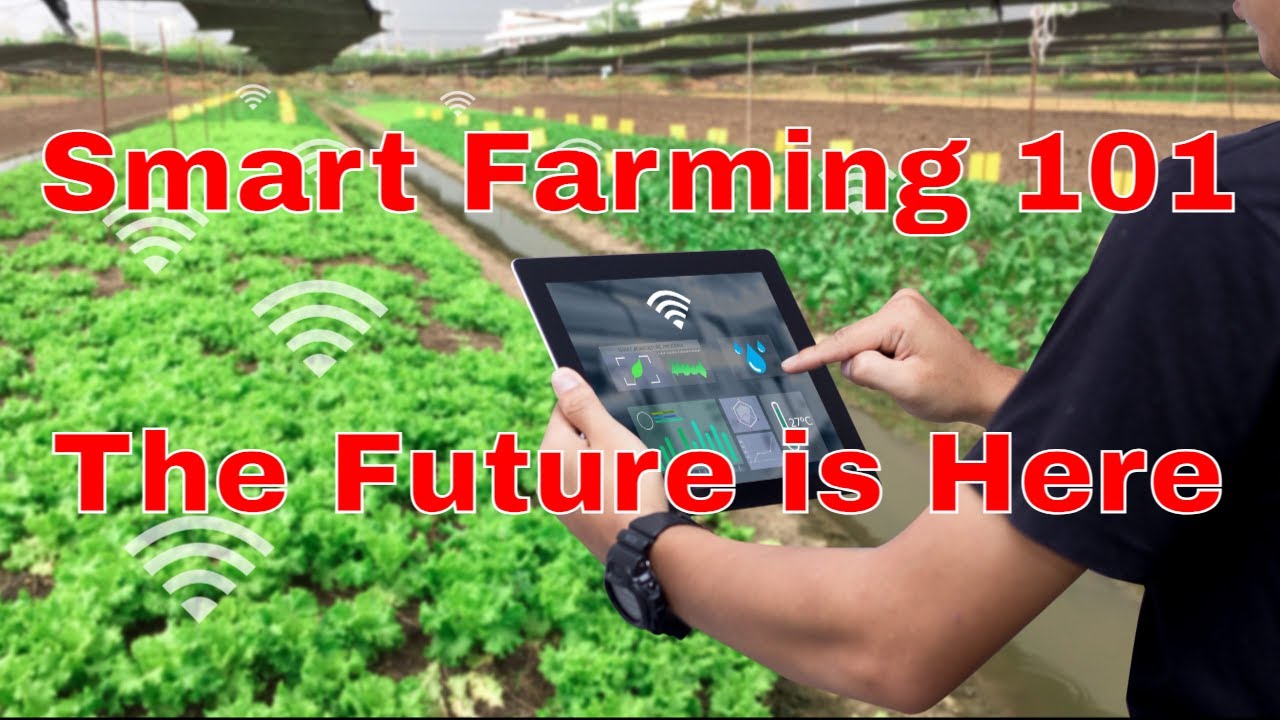
Smart Farming 101: Revolutionizing Agriculture with Technology
Microfluidic Fertilizer: A Game-Changer for Precision Agriculture

Why the Future of Farming is in Cities - The Big Money in Vertical Farming

CHINA’S SMART FARMING REVOLUTION: Full-Tech Powered Farms?
PERTANIAN PRESISI : PENGERTIAN DAN PERANNYA
5.0 / 5 (0 votes)

