Conferências ambientais, acordos internacionais e a COP30 | Unidade 1
Summary
TLDRThe video features Cintia Leone discussing the history and significance of climate diplomacy, highlighting Brazil's central role since the 1992 Rio Earth Summit. She explains the origins of key UN conventions on climate, biodiversity, and desertification, the creation of the sustainable development concept, and the responsibilities of developed nations. Leone outlines the evolution of global climate negotiations, including Kyoto, Copenhagen, and the Paris Agreement, emphasizing challenges like financing, adaptation, and emission reduction. She stresses the urgency of global collective action to prevent climate collapse, the importance of policy-driven change over voluntary efforts, and the role of Brazil and other nations in shaping a sustainable future.
Takeaways
- 😀 The 1992 Rio Summit (Rio 92) was pivotal in establishing key environmental conventions: the UNFCCC, the Convention on Biological Diversity, and the Convention to Combat Desertification.
- 🌍 Brazil played a central role in creating a more inclusive perspective for climate diplomacy, particularly advocating for the rights of developing countries to pursue sustainable development.
- 🌱 The UN climate conferences, including COP, serve as essential platforms for annual discussions on climate action, where countries discuss agreements, financing, and global commitments.
- 💡 COP 30 in Belém, Brazil, marks an important milestone in global climate diplomacy, but faces significant challenges, especially in terms of financing and political divisions.
- 🔬 Climate science shows that rich nations are primarily responsible for climate change due to their historical emissions, especially from fossil fuels, yet they have failed to fully take responsibility for the damage caused.
- 💰 Financial support for developing countries to mitigate and adapt to climate change remains a major issue, with wealthy nations not fulfilling their financial commitments.
- 🚨 The global temperature already exceeds the limit set in the Paris Agreement (1.5°C), and unless urgent action is taken, the world faces the possibility of reaching 2.5 to 3°C of warming, leading to catastrophic impacts.
- 🌳 The Amazon rainforest is a critical tipping point for climate change; its destruction could lead to irreversible environmental collapse, not just for Brazil, but for the entire planet.
- 🛑 The world is facing a 'tragedy of the commons' where nations, especially rich ones, continue to pollute the atmosphere without taking collective responsibility, leading to a race that threatens the entire planet.
- 🏛️ Brazil’s diplomatic history, especially its early leadership in the United Nations and its emphasis on multilateralism, has been instrumental in shaping global climate negotiations.
Q & A
What was the significance of the Rio 92 conference in the development of climate diplomacy?
-The Rio 92 conference, held in Rio de Janeiro, was a pivotal moment in climate diplomacy. It led to the creation of three major environmental conventions: the UNFCCC (Climate Convention), the Convention on Biological Diversity, and the Convention to Combat Desertification. It also marked the beginning of global acknowledgment that climate change was driven by the burning of fossil fuels, primarily by developed nations.
Why was the idea of 'global south' perspective important in climate discussions during Rio 92?
-The 'global south' perspective was essential in Rio 92 because it emphasized the responsibility of developed countries for climate change. Developed nations were primarily responsible for the emissions driving global warming, but they tried to shift the blame to populous developing countries like China and India. The Rio 92 conference helped establish that the issue was rooted in consumption patterns and industrialization in wealthy countries.
How did Brazil's political context influence its role in the Rio 92 conference?
-Brazil's political context was crucial in shaping its active role at the Rio 92 conference. The country was undergoing a process of redemocratization after the end of its military dictatorship, with significant political changes, including the 1988 Constitution. The conference was a moment of national unity and energization, involving a wide range of political actors and civil society groups.
What is the concept of 'climate debt' mentioned in the transcript?
-The concept of 'climate debt' refers to the historical responsibility of developed nations for the environmental damage caused by their industrial activities, particularly the emissions of greenhouse gases. These nations, having contributed most to climate change, are seen as owing a debt to the developing world, which suffers disproportionately from the effects of global warming.
What was the significance of the 1997 Kyoto Protocol, and why did it fail?
-The Kyoto Protocol was designed to hold developed nations accountable for their role in climate change by requiring them to reduce greenhouse gas emissions. However, it failed because major emitters like the United States did not agree to participate. This lack of commitment from key players undermined the protocol's effectiveness.
What is the 'tragedy of the commons' as it relates to climate change?
-The 'tragedy of the commons' in climate change refers to the idea that nations are collectively using the planet's atmosphere as a dumping ground for carbon emissions, leading to its depletion. Countries are competing to pollute as much as they can without regard for the long-term consequences, resulting in a global crisis that affects everyone.
What is the role of the 'high ambition coalition' in climate negotiations?
-The 'high ambition coalition' is a group of developed nations, including European countries, Australia, and Japan, that advocate for strong and ambitious commitments in international climate negotiations. Their goal is to ensure that global agreements, like the Paris Agreement, set clear and enforceable targets for reducing emissions.
How does the Paris Agreement differ from the Kyoto Protocol?
-The Paris Agreement, adopted in 2015, represents a shift from the Kyoto Protocol. Unlike Kyoto, which focused on legally binding emissions reductions from developed countries, the Paris Agreement allows each country to set its own targets for emissions reductions, focusing on voluntary commitments and economic incentives. It aims to limit global warming to well below 2°C, with a goal of 1.5°C.
What were some key outcomes of COP 15 in Copenhagen in 2009?
-COP 15 in Copenhagen was a critical moment in climate negotiations but ended in a perceived failure. The main issue was financial commitments from developed nations to support developing countries in their climate actions. Although some financial commitments were made, the overall lack of binding agreements left many questioning the future of global climate negotiations.
What challenges is COP 30 facing as it approaches in Belém?
-COP 30 in Belém faces several significant challenges. Key issues include a lack of financial commitments from developed countries to support climate adaptation and mitigation in developing nations, as well as growing distrust due to past unfulfilled promises. The conference will also need to address how to finance climate adaptation and how to measure progress toward climate goals, especially with global warming already exceeding the 1.5°C limit set by the Paris Agreement.
Outlines

此内容仅限付费用户访问。 请升级后访问。
立即升级Mindmap

此内容仅限付费用户访问。 请升级后访问。
立即升级Keywords

此内容仅限付费用户访问。 请升级后访问。
立即升级Highlights

此内容仅限付费用户访问。 请升级后访问。
立即升级Transcripts

此内容仅限付费用户访问。 请升级后访问。
立即升级浏览更多相关视频

A Cúpula da Terra - Conferência da ONU sobre Meio Ambiente e Desenvolvimento (1992)

Clima: cosa sono le Cop, le conferenze che devono salvarci dal riscaldamento globale

Conferências mundiais para o meio ambiente - Geografia - Ensino Médio
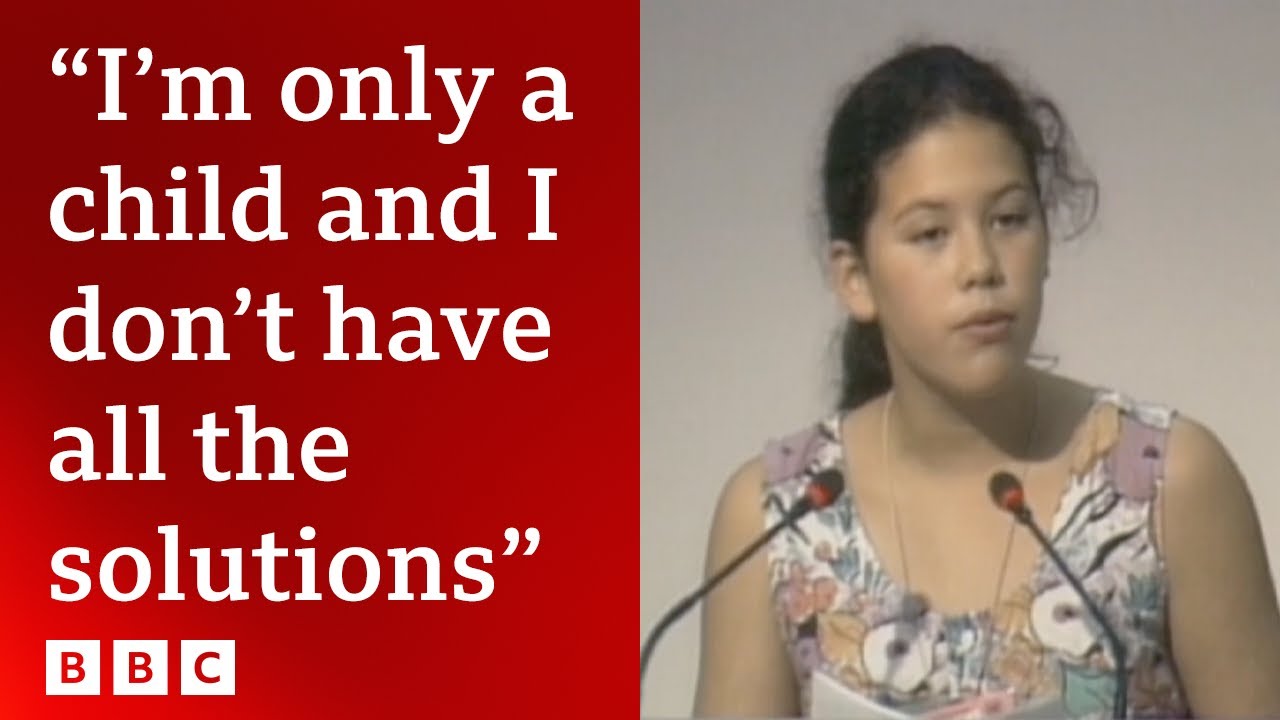
The 12-year-old who tried to warn the world about climate change | BBC Ideas

Desenvolvimento sustentável, meio ambiente e mudança climática - CNU 2024 | Desenhando a Solução

No ano da COP-30, movimentos fortalecem construção da Cúpula dos Povos
5.0 / 5 (0 votes)

