Mod 2 Vid 3 - Fair Value Gap
Summary
TLDRIn this video, the speaker introduces the concept of Fair Value Gaps (FVGs) in trading, emphasizing their role in identifying market imbalances between buyers and sellers. Using candlestick patterns, the video explains how to spot bullish and bearish gaps, and how these gaps can influence price movement. Key topics include the different types of FVGs (textbook, smaller, and breakaway) and how to determine if a gap is respected or disrespected by the market. The speaker reinforces that day trading is based on strategy, not gambling, and encourages viewers to practice identifying FVGs in real chart examples.
Takeaways
- 😀 FVGs (Fair Value Gaps) are imbalances between buyers and sellers that create gaps in the market structure.
- 😀 A bullish FVG occurs when a strong push up shows an imbalance with more buyers than sellers, creating a gap between the wicks of the candles.
- 😀 A bearish FVG is the opposite, where a strong push down creates an imbalance of more sellers than buyers, leading to a gap between the wicks.
- 😀 FVGs can be identified by looking at sets of three candlesticks, where the middle candle dictates whether the gap is bullish or bearish.
- 😀 When the top wick of the first candle and the bottom wick of the third candle don't meet, it forms a fair value gap.
- 😀 There are three types of FVGs: textbook gaps (reliable), smaller gaps (less reliable), and breakaway gaps (significant move past the gap).
- 😀 FVGs work because the market seeks to correct imbalances and find balance, making gaps a key area for price retracement.
- 😀 A respected FVG means price retraces into the gap and continues in the expected direction (up for bullish, down for bearish).
- 😀 A disrespected FVG means price moves through the gap without retracing, signaling a potential change in direction.
- 😀 Liquidity sweeps occur when orders within the gap are targeted, gaining liquidity before continuing the price movement.
- 😀 The next lesson will explain how day trading is not gambling but based on strategy, focusing on understanding market movements through FVGs.
Q & A
What is a fair value gap (FVG) in trading?
-A fair value gap is an imbalance between buyers and sellers in the market. It represents an area where there is a disparity in orders, often leading to a strong price push in one direction due to the lack of opposing orders.
How can you identify a bullish fair value gap using candlesticks?
-A bullish fair value gap is identified using three candles. The middle candle is bullish, and the gap is formed between the top wick of the first candle and the bottom wick of the third candle, creating a void where price may later retrace.
What differentiates a bearish fair value gap from a bullish one?
-A bearish fair value gap occurs when the middle candle of three is bearish. The gap is between the bottom wick of the first candle and the top wick of the third candle, indicating an imbalance of sellers over buyers.
What are the three types of fair value gaps mentioned in the script?
-The three types are: 1) Textbook gap – a clear, sizable gap; 2) Smaller gap – less pronounced but still valid; 3) Breakaway gap – occurs after a strong price move beyond the gap, requiring a larger retracement to fill it.
How does the market typically respond to fair value gaps?
-The market seeks balance, so price often retraces into fair value gaps to fill the imbalance before continuing in the original direction, similar to a liquidity sweep where orders are absorbed.
What does it mean for a fair value gap to be 'respected'?
-A respected fair value gap means that the price retraces into the gap and then continues in the original direction of the gap, confirming the imbalance and the anticipated price movement.
What indicates that a fair value gap has been 'disrespected'?
-A gap is disrespected when the price closes beyond the gap—below a bullish gap or above a bearish gap—signaling that the market is moving contrary to the expected direction.
How can combining fair value gaps with liquidity levels enhance trading decisions?
-By identifying where gaps align with areas of liquidity, traders can predict potential price targets and reversals more accurately, using confluences to increase the probability of successful trades.
What practical exercise does the instructor recommend for understanding fair value gaps?
-The instructor recommends finding five examples each of bullish and bearish gaps being respected and disrespected. This hands-on practice helps reinforce pattern recognition and market behavior.
How does the concept of equilibrium relate to fair value gaps?
-Equilibrium, introduced later in the series, refers to the market's tendency to balance itself. Fair value gaps are part of this process, as price often retraces to these gaps to restore market balance before continuing its trend.
Why are candle closures important in determining whether a fair value gap is respected or disrespected?
-Candle closures indicate the definitive market sentiment at a given price level. Respect or disrespect of a gap is determined by whether the closing price stays within or moves beyond the gap, rather than just wick movements.
Why are breakaway gaps considered lower probability for immediate retracement?
-Breakaway gaps occur after a strong push beyond the typical gap range. Since the price has moved significantly away, a retracement back into the gap is less likely in the short term, making immediate fills lower probability.
Outlines

此内容仅限付费用户访问。 请升级后访问。
立即升级Mindmap

此内容仅限付费用户访问。 请升级后访问。
立即升级Keywords

此内容仅限付费用户访问。 请升级后访问。
立即升级Highlights

此内容仅限付费用户访问。 请升级后访问。
立即升级Transcripts

此内容仅限付费用户访问。 请升级后访问。
立即升级浏览更多相关视频

How to Trade Fair Value Gaps (Best Tutorial)

Fair Value Gaps Explained in 22 Minutes
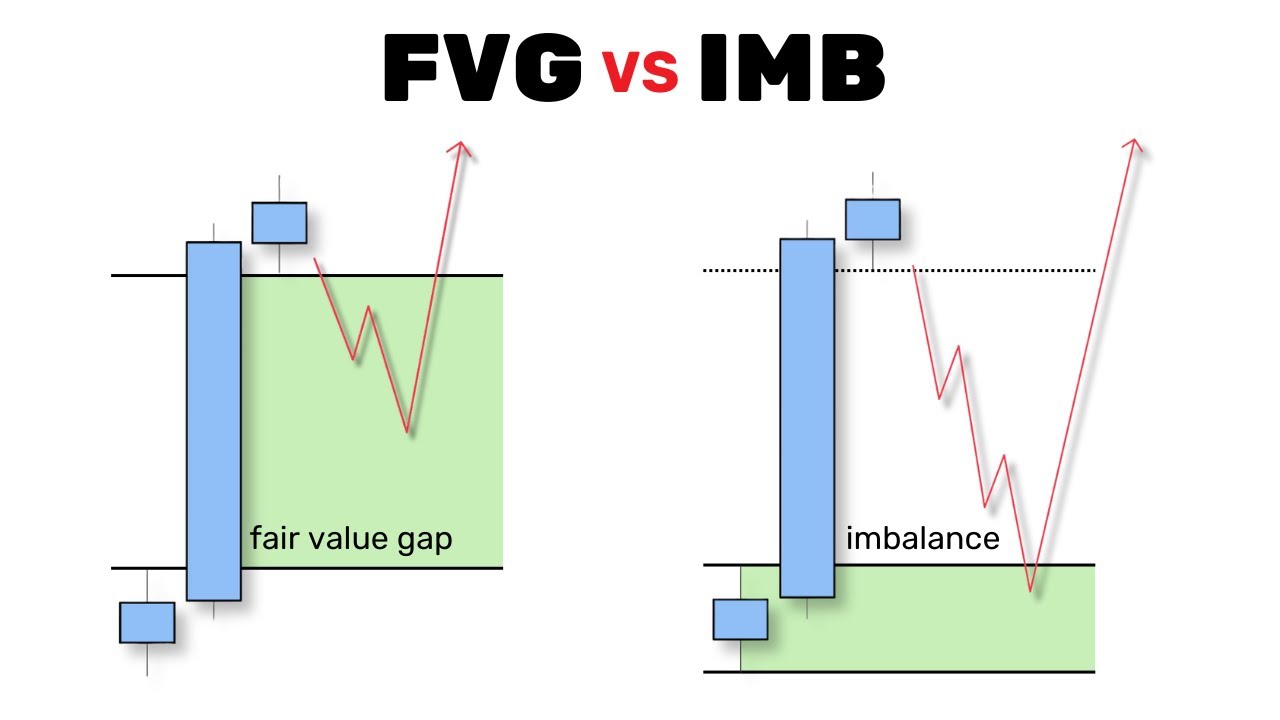
FVG vs IMB - The Best Trading Strategy?!

Do yourself a favor; learn Order Flow.

Trading Transformation Day 17: Fair Value Gaps + Imbalances pt.1

The Ultimate Guide to Fair Value Gaps: Inversed Fair Value Gap (IFVG) Trading Strategy Explained!
5.0 / 5 (0 votes)

