What is Agricultural Engineering?
Summary
TLDRThe transcript presents agricultural and biosystems engineering as a dynamic field that combines math, science, and engineering problem-solving to address real-world challenges in agriculture, food safety, water quality, and environmental protection. Students and professionals describe working across areas such as machinery, food processing, soil conservation, and sustainable systems, emphasizing the field’s wide career possibilities and growing importance as global populations increase. Personal stories highlight motivations ranging from farming backgrounds to environmental passion, while Iowa State is portrayed as a supportive place to pursue these goals. Overall, the field is shown as an opportunity to improve lives by making agriculture more efficient, safe, and sustainable.
Takeaways
- 🌱 Agricultural engineering applies math, science, and problem-solving to address challenges in agriculture, from machinery to soil and water systems.
- 🔬 Biosystems engineering focuses on enhancing natural systems, ensuring food safety, cleaner water, and environmentally sustainable practices.
- 💧 A key goal is to prevent pollution and improve water quality by managing pathogens, chemicals, and waste in agricultural processes.
- 🚜 The field combines hands-on mechanization, animal processing systems, and soil and water applications with innovative engineering solutions.
- 🧪 Students can engage in a wide variety of work, including lab research, fieldwork, and system design for biological and agricultural products.
- 🌍 Environmental stewardship is a major motivator, influenced by personal experiences like growing up on a farm, participating in 4-H, and environmental activism.
- 🏫 Iowa State University is valued for its strong engineering programs, excellent facilities, and a supportive, tight-knit biosystems engineering community.
- 💡 The field encourages continuous innovation and the development of new, sustainable agricultural and environmental solutions.
- 🚀 Career aspirations include sustainable agricultural research, water conservation, soil management, animal production systems, and even space exploration projects with NASA.
- 🤝 The ultimate goal is to make the world safer, healthier, and more sustainable by integrating agricultural productivity with environmental responsibility.
Q & A
What is agricultural engineering, and how does it help in agriculture?
-Agricultural engineering combines problem-solving skills with math and science to address issues in agriculture. It involves identifying problems in everyday agricultural practices and applying engineering solutions to improve efficiency and sustainability.
What is the focus of biosystems engineering?
-Biosystems engineering focuses on understanding natural systems and enhancing them by making different components in nature work together. It aims to improve food safety, water quality, and prevent harmful substances from contaminating the environment.
Why is biosystems engineering considered a growing field?
-Biosystems engineering is rapidly growing due to an increased focus on land and water management. As the global population rises, there will be greater demand for improved processes in agriculture, food production, and environmental conservation.
How does biosystems engineering impact food safety?
-Biosystems engineering helps prevent harmful bacteria, pathogens, and chemicals from contaminating water systems and food production, ensuring safer and healthier food for consumers.
What types of work can biosystems engineers do?
-Biosystems engineers have a wide range of work opportunities, from designing machinery used in agriculture to processing biological products and conducting lab or fieldwork. They can work in various sectors, including animal production, water conservation, and environmental management.
What inspired the speaker to pursue agricultural engineering?
-The speaker was inspired by a deep interest in environmental protection and agricultural practices, having grown up on a farm, participated in 4-H, and cared about river clean-ups. They wanted to address water pollution and make a positive impact on the environment.
Why did the speaker choose Iowa State University?
-The speaker chose Iowa State University because of its strong reputation for engineering, particularly in biosystems engineering. They were impressed by the university's excellent engineering facilities and the friendly, supportive atmosphere.
What is the speaker’s dream job after graduating?
-The speaker's dream job is to work in sustainable agricultural systems, specifically in water quality, pathogen prevention, and watershed cleanup. They also hope to work for organizations like NASA or in animal production fields.
How does agricultural engineering contribute to environmental sustainability?
-Agricultural engineering helps develop environmentally friendly solutions by improving agricultural processes, reducing waste, enhancing water and soil conservation, and minimizing the environmental impact of farming practices.
What is the role of biosystems engineers in addressing challenges faced by the Earth?
-Biosystems engineers play a key role in addressing global environmental challenges by designing systems that improve agricultural practices, conserve resources, and contribute to more sustainable and efficient food production systems.
Outlines

此内容仅限付费用户访问。 请升级后访问。
立即升级Mindmap

此内容仅限付费用户访问。 请升级后访问。
立即升级Keywords

此内容仅限付费用户访问。 请升级后访问。
立即升级Highlights

此内容仅限付费用户访问。 请升级后访问。
立即升级Transcripts

此内容仅限付费用户访问。 请升级后访问。
立即升级浏览更多相关视频
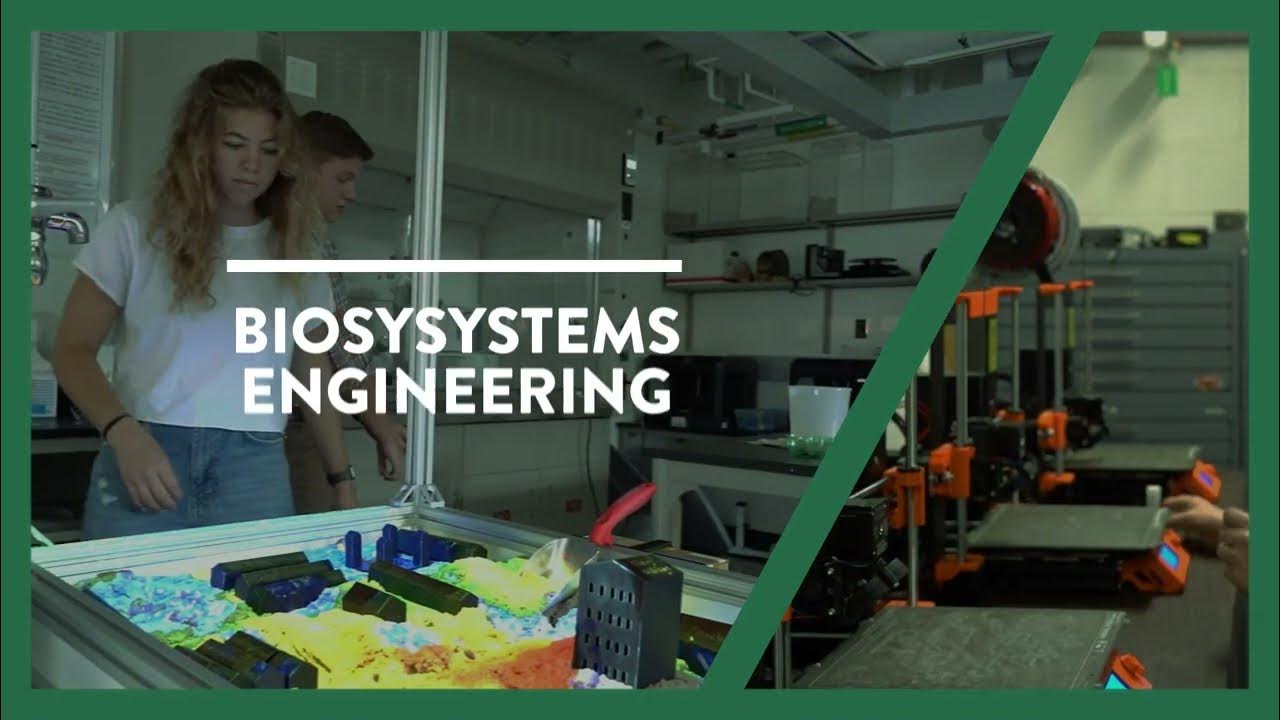
Biosystems Engineering
Green Biotechnology: Agricultural Biotechnology For A Sustainable Future

PutraMOOC | PRT2008M Topic 6 Innovation and Challenges in Agriculture (Part 5/6)

What does an environmental engineer do? - Careers in Science and Engineering

What is Industrial Engineering by PIIE- NSC

5 Most Important Skills for a Mechanical Engineer to Succeed | Mechanical Engineering Skills
5.0 / 5 (0 votes)

